
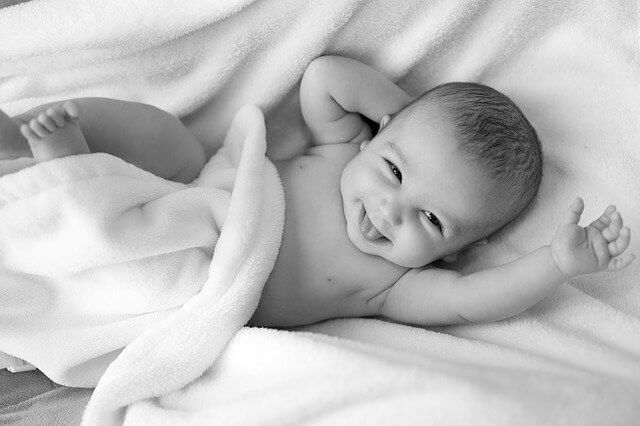
Infants are entirely dependent on their parents in every aspect of their lives.
As such, preparing for a baby is a huge responsibility for any family anticipating the arrival of a child.
During their first year of life, newborns require a broad variety of food, resources, and clothing sizes to meet their growing needs.
Parents must guarantee that their child is well-fed, healthy, clothed, and loved no matter what occurs.
Even in the worst-case scenario.
Regardless of the circumstances.
It may be tough to come up with ideas for what to buy and where to store goods for your new baby.
As a result, you must make a list of everything that you will need before you begin your project.
Acquire and purchase the products one at a time.
You should also learn how to make or construct the vast bulk of the objects that these children will want.
Preppers who are expecting a kid should plan accordingly.
Prepping with A Baby
Pregnancy and delivery occur in the midst of a crisis situation.
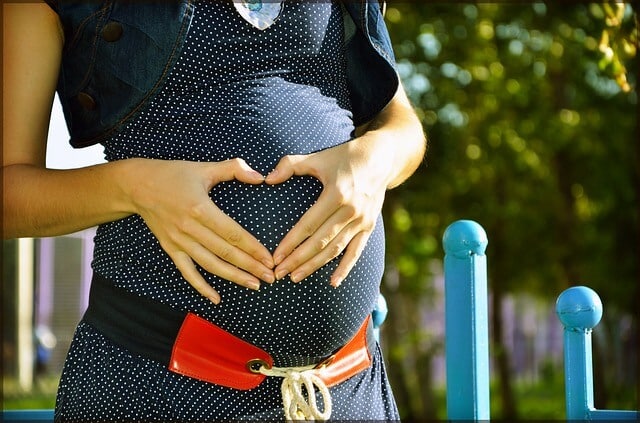
If you are pregnant or believe that you may be pregnant, you should make arrangements to make sure that you and your child are safe and healthy during the pregnancy.
A bug-out pack for your youngster will also need to be prepared by you and your family.
Additionally, you should put some basic first-aid items in this bag for your children to use.
Should an emergency birth occur, you should have:
- an antiseptic cleaner
- extra blankets
- surgical scissors
- and other supplies in your first aid box to use as a backup plan.
You should speak with a midwife or doctor about the option of having your baby born in your house if you are unable to go to the hospital.
There are numerous books and websites that you should look at if you want to learn more about giving birth without the assistance of medical professionals.
Even if you are not needed to deliver your child on your own, you may find yourself in a position where you need to provide assistance to others.
Mobility
When a bug-out situation arises, you will be expected to move your newborn using any conventional baby transportation technique that is accessible to you.
A baby carrier is ideal.
Choose a baby wrap carrier that will be knotted over your shoulders and adjacent hip, or choose a carrier that will cross your back and over your shoulders instead.
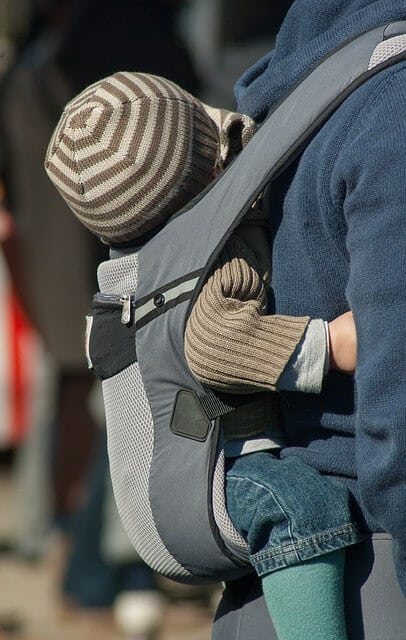
You will be able to carry only your bug-out bags and will not have to use your hands for anything else.
Wagons and strollers are additional options, but each has its own set of difficulties to cope with as well as its own set of advantages.
It can be time-consuming and distracting to pull your baby in a wagon behind you since you must constantly check behind you to ensure that the child is secure.
When you choose these options, you will benefit from the fact that they include easy storage compartments that can hold the bulk of your baby’s belongings.
Feeding
In a disaster situation, breast-feeding is still the greatest option for a baby.
Nevertheless, you’ll need to be prepared with alternate baby food items on hand.
There are a lot of factors that might contribute to a woman’s inability to produce breast milk, including health issues, nutritional deficiencies, and stress, among others.

As a result, it is essential to have a supply of baby powdered formula on available.
It is possible that your kid may start eating vegetables, fruits, and other solid meals on his or her own as the months go by.
Due to the possibility of them consuming part of the food in your stockpile, it is recommended that you have special baby food with a long shelf life on hand.
You should also learn how to cook their meals from scratch using fresh ingredients.
Diapers
Given the rapidity with which newborns go through diapers, you’ll want to make sure you have plenty of diapers on hand.
Make sure you have a selection of sizes on hand since you never know what age your child will be when a crisis hits them.

Disposable diapers are expensive and take up a lot of space.
So, you should think about utilizing reusable diapers instead of disposable diapers.
Unlike disposable diapers, cloth diapers are reusable and may be cleaned repeatedly by your kid.
When traveling, it’s essential to have a supply of disposable diapers on hand in case you run out while on your vacation.
In addition to diaper covers, you’ll need diaper covers to act as a waterproof barrier between the moist cloth diaper and the rest of your things during diaper changes.
Clothing
You should have at least two years’ worth of clothing on hand for your children.
They’ll outgrow their clothes rapidly.
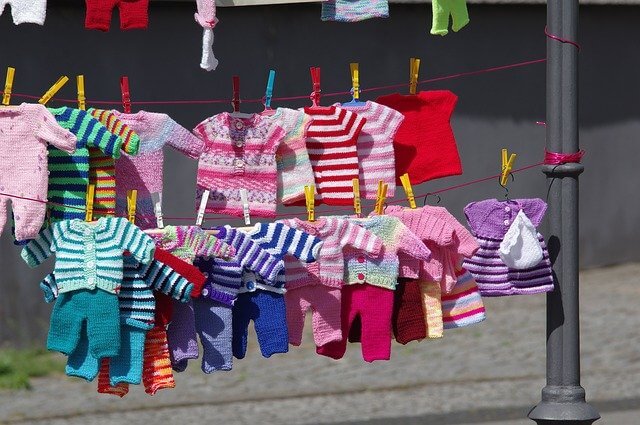
Go to secondhand stores and collect clothing for your infant that will suit him or her in every season, regardless of the weather.
Please remember to bring hats, socks, and shoes, as well as jackets, blankets, and head warmers, with you to the event.
Alternatively, if your child outgrows their clothing, you can either exchange them for other items or donate them to a prepper in need of clothing.
Sleeping
A co-sleeper that can also be used as a baby bed, or playpens that can be used as bassinets, are excellent investments.
Due to the fact that they take up little space, they are suitable for both daily use and emergency scenarios.
It is essential that you bring along sheets and blankets for the comfort of your child.
Medicine
Preparing a range of drugs and studying herbal remedies that may be beneficial if your kid becomes unwell.
You’ll need:
- diaper rash cream
- anti-fungal cream
- teething tablets
- Vaseline
- cold medicine (including infant cough syrup) and other drugs
- thermometer
- bandages
Take steps to ensure that you are prepared for the medical needs of your newborn children.
In certain cases, medical requirements for your infant may be slightly different from those for other newborns.
Cleaning
Your child’s health depends on his or her ability to keep himself or herself clean.
Make sure to include extra baby wipes inside your baby bug out bag.
Baby wipes are, along with disposable diapers, vital emergency supplies.
As well as a change of clothes in case you run out of wipes halfway through.
Also, make sure to pack baby soap and shampoo that are appropriate for your child’s age and gender.

Before purchasing baby soap, you should do a test to ensure that it is appropriate for your child.
Certain substances might trigger allergic responses in newborns when consumed in large quantities.
Don’t forget to pack extra baby hygiene goods.
These include:
- towels and baby lotion
- nail clippers and cotton balls
- hand sanitizer
- q-tips
- and any other items that will assist you in keeping your baby clean while on vacation.
And don’t forget to bring along some games and toys to keep the kids entertained.
Even if having fun is the last thing on your mind while you’re preparing for a disaster, you need to keep your newborn occupied.

Originally posted 2021-10-25 16:32:17.


