

How To Treat Minor Injuries: There is usually an increase in the number of injuries and fatalities during a crisis.
When a storm hits, some people are killed and many more are wounded.
The same is true for terrorist attacks, which are often carried out in densely populated regions in order to do the maximum damage.
A crisis is defined by panic and turmoil.
Obtaining assistance may be challenging.
Roads may be closed, making it impossible for an ambulance to reach you.
Time is valuable, and every minute matters.
What you do while you wait for aid is critical, and if your injuries are serious, it might be the difference between life and death.

The good news is that such potentially fatal injuries don’t happen very frequently.
However, as a prepper, you will most likely meet four sorts of ailments or medical difficulties that may occur to you or individuals you know.
Being able to manage these frequent medical conditions quickly will assure the casualty’s well-being.
While they are not fatal, they may cause pain.
We’ll look at what they are and how to treat them properly in this post.
How To Treat Minor Injuries
1. Concussions
These are quite prevalent, particularly during earthquakes and storms.

Many individuals seek refuge at home and neglect to assess their surroundings.
Large goods may fall as the home shakes.
Cupboards are prone to tipping over.
The ceiling fan might fall to the ground.
Shelf items may be knocked off.
When individuals take shelter near these things, something might hit them in the head and cause a concussion.
Common concussion symptoms include dizziness, nausea, ringing in the ears, disorientation, exhaustion, vomiting, delayed responsiveness, and so on.
If you witness a head injury and see these symptoms, apply a cold compress to the affected region.
This will help to minimize edema.
To relieve discomfort, give the afflicted individual aspirin or other pain relievers.
Request that they lay down and relax.
Observe them for a day; if issues continue, you must seek expert medical attention promptly to determine whether there has been any brain damage.
2. Light food poisoning
This may happen if you consume stale food or food that you don’t like.

The easiest strategy to cure this issue is to take charcoal pills and refrain from eating for a few hours.
You are welcome to drink a few sips of cold water.
Rest and avoid large meals.
Allow your stomach to rest and recuperate.
You’ll be OK in a day or two.
Slowly begin to eat.
3. Lacerations and slashes
If you slip and fall during an earthquake and knock your arm on a sharp item, you may be cut and suffer an incisive wound.
If you fall while fleeing for shelter, you may scratch your elbows and knees.
This is a lacerated wound that is more likely to get infected.
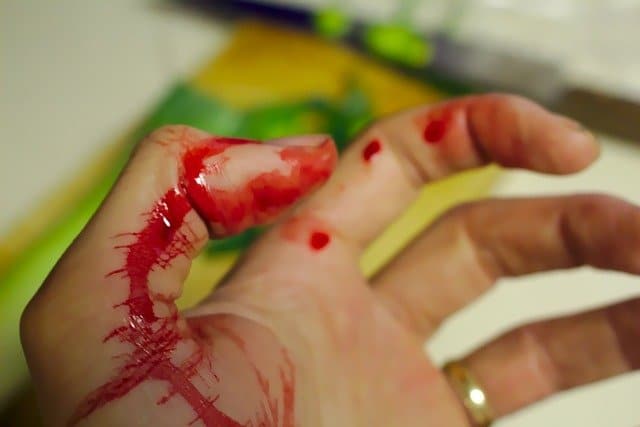
The initial step, regardless of the harm, will be to clean the wound.
Irrigate it with sterile water or run it under running water.
Then, apply direct pressure to the cut and keep it there until the bleeding stops.
When the bleeding has stopped, carefully clean the wound with warm water and a little soap.
Apply a bandage to the wound and keep it dry.
4. Bone Fractures
Fractures and other bone injuries will need the assistance of a medical specialist.
If you cannot receive quick assistance, you should apply ice to the afflicted region to minimize swelling.
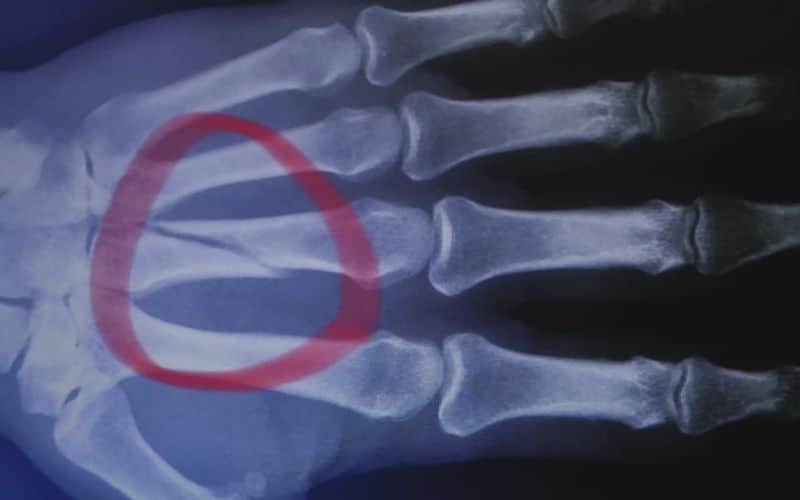
The fracture must then be stabilized.
If it’s an arm fracture, you’ll need to build a sling out of a triangle bandage.
It’s more difficult if the fracture is on the leg.
To fix the fracture, you’ll need to apply two splints.
To’ reinforce’ the damage, place one splint on each side of the fracture and wrap a bandage over the leg and splints.
Use a mop or brush as a makeshift crutch and bring the wounded individual to a hospital as soon as possible.
These are the most prevalent injuries.
Remember how to treat them in case you need to.
Keep a well-stocked first-aid kit at home at all times.
You never know when you’re going to need it.
How To Treat Minor Injuries: Arm and Leg Fractures
Fractures can occur during a natural disaster like a hurricane or an earthquake.
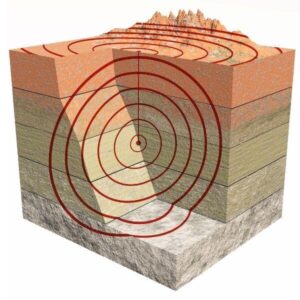
When you trip and fall due to the ground shaking, you may fracture your arm.
If you’re crouching with your hands on your head, a cupboard near you may tip over and fall on you causing a leg fracture.
Anything is possible when the ground beneath you starts to move or there are strong winds blowing projectiles towards your home and you.
A situation like a terrorist attack with active shooters can cause you to have a fracture, if you trip and fall over while running for cover.
So, how you can quickly treat a fracture.
The goal here is to protect your limb.
Ultimately, you must get to a hospital and get it treated. X-rays will need to be done to determine the fracture and place a cast.
The first aid techniques shown here is to be used to immobilize the affected limb so that pain is minimized, and any internal bone damage is not exacerbated.
-
Symptoms of a Fracture
The first thing you should be able to do is recognize the symptoms of a fracture.

If you see that bone has penetrated or is protruding through the skin, it’s definitely a fracture.
There may be other wounds close to the affected area.
If the victim heard his/her bones crack or they felt like bone rubbing against bone internally during impact, there might be a fracture.
Other signs are swelling, a tingling feeling and numbness in the area.
The pain of a fracture worsens over time.
This is one of the surest signs of a fracture.
-
Treating Arm Fractures
Contrary to popular belief, not all arm fractures require you to place the arm in a sling.

If the fracture is close to the elbow and the bone breaks in a way where bending the arm at the elbow causes more pain, you should avoid a sling.
Instead, place a towel between the arm and midsection of your body so that there is no gap between the arm and the body.
You may use a belt or two bandages to tie around the arm and midsection.
In this way, the arm will be immobilized and close to the body supported by the towel.
If it’s a simple fracture, you can use a triangular bandage to form a sling for the fractured arm and tie the ends behind your neck.
Once again, tie a second bandage around the sling and your chest to immobilize the arm further.
The aim here is to provide support and prevent excessive movement of the injured limb.
-
Leg fractures
Leg fractures are slightly more complicated.
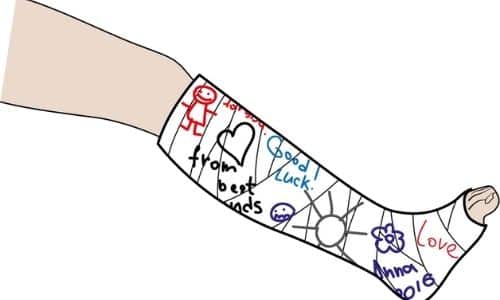
For a lower leg fracture, it’s best to ask the person to lie flat and feel the person’s affected foot to see if they can sense your touch.
Roll up a towel and place it between both legs.
Now tie a bandage around the ankles with the towel sandwiched between.
Tie a second bandage around both legs just below the knee.
This will immobilize the legs and prevent the fractured limb from moving about.
In the event that there is a compound fracture and bone protrudes through the skin, the first step is to halt the bleeding.
Apply hard pressure on the sides of the bone and skin to stop the bleeding. Don’t apply pressure on top of the bone and try to push it back in.
Once the bleeding stops, roll up some towels or padding and place them around the affected bone. In this way, you’re protecting the injured area with cushioning material.
Roll up a towel and place it along the outer side of the leg.
Place a wooden splint next to the towel and tie it all together with one bandage around the ankle and one around the thigh.
Now you’ve immobilized the limb.
Using splints is required if medical help is out of reach.
The splint on one leg will allow the victim to still move with a makeshift crutch till he/she gets to a place where they can call for help.
How To Treat Minor Injuries – Final Words
Remember the tips above and if you or anyone you know ever experiences a fracture, you’ll know what to do.
Stay safe.

Originally posted 2022-04-14 13:55:19.


