You may get sick but you may not die
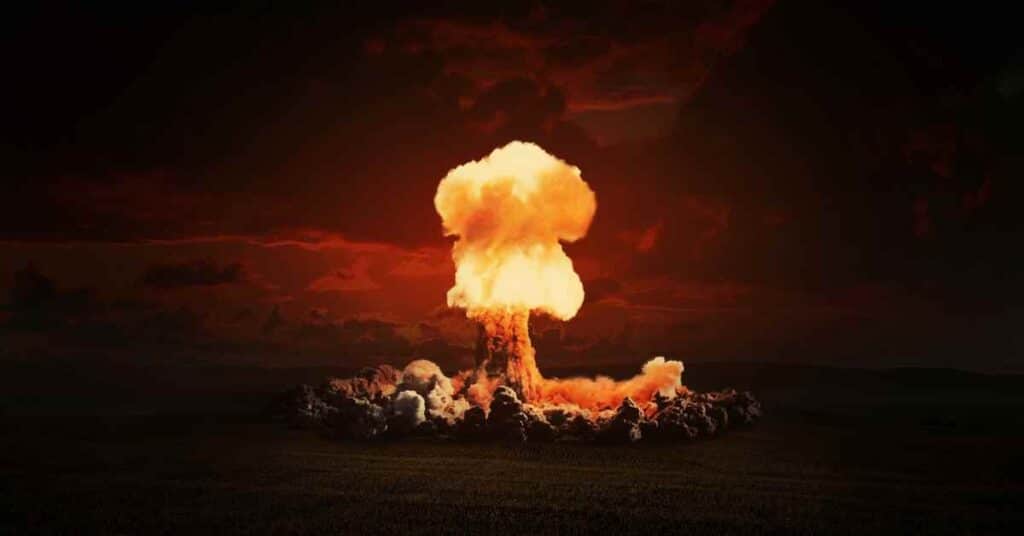
If there is a nuclear war, chances are you can survive it.
It is possible to survive one even if you haven’t taken the time to do the prepping work beforehand.
Your survival can be luck or the result of some hard work.
To see any evidence for this statement all you have to do is look at the two Japanese cities that were victims of a nuclear bomb.
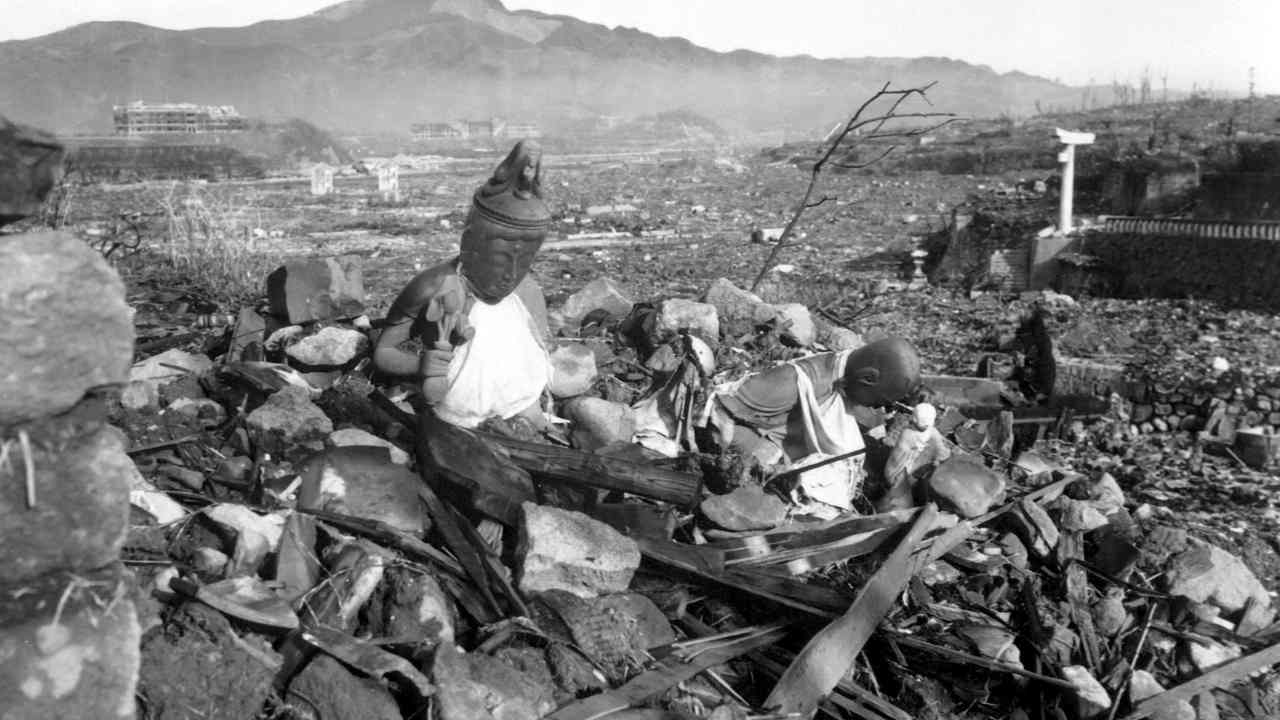
Up to 50% of the inhabitants survived without making any preparations.
Most got sick but they didn’t die.
Keep reading to see what you can do to prepare for a nuclear war.
Understand the Range of Those Bombs
Nuclear weapons are not universal.
They have a limited range and do not kill everything in sight.
Even though their range is vastly wider than a regular bomb, you can still avoid being killed if you understand the different radius of range each nuclear bomb has.
For example, the Russian Tsar Bomba only has a blast range radius of 620 miles.
So if you are 621 miles away from the center of the blast, you should be safe.
Other nuclear weapons may not have that large of a target zone so research the different bombs and plan accordingly.
Also, look at potential target zones.
Usually, the most populated cities will be the primary targets.
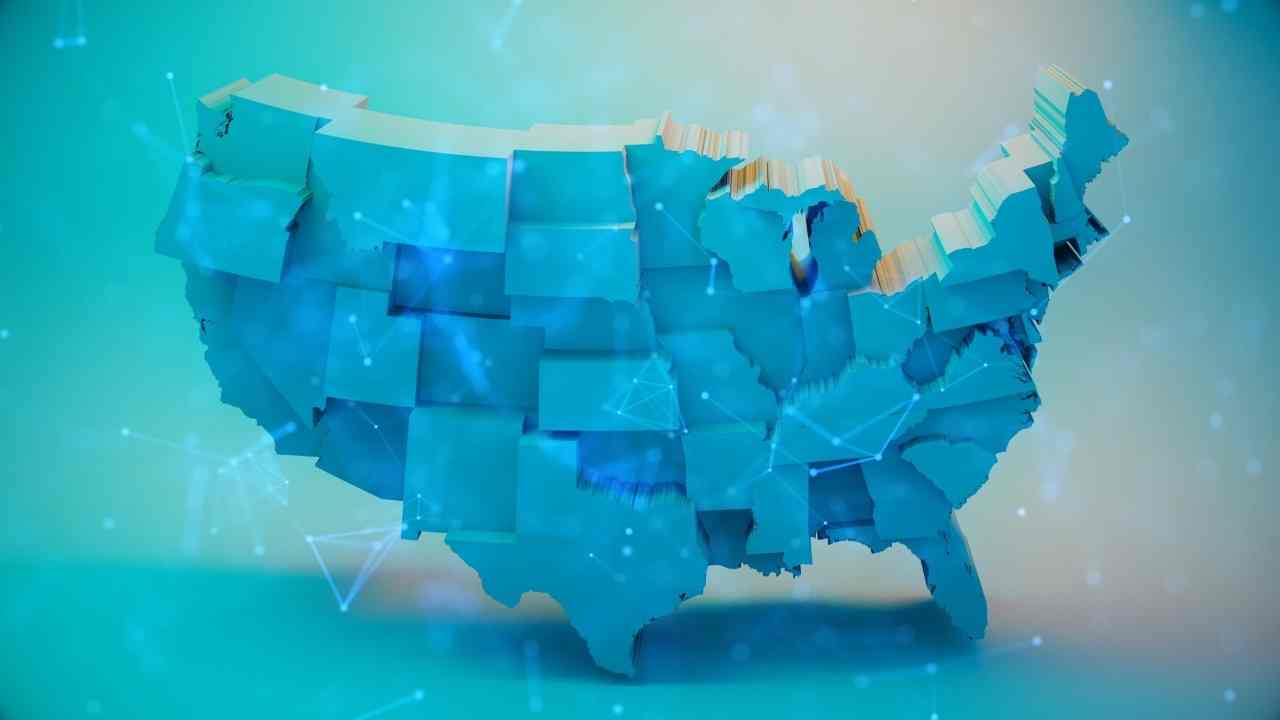
New York, Washington, DC, Los Angeles, San Diego, and San Francisco all lead the list of primary targets.
The further you are away from these highly populated areas the better it is for you.
Your chances of survival go up with every mile.
Not everyone can escape these danger zones but if you act quickly, upon hearing the first missile warning, then you can get far enough away to save yourself and your family.

What to Prepare for Nuclear war Survival
In some cases, the supplies you need will be the same as the supplies you would need for other natural and man-made disasters.
The only difference is that you will have to prepare more food and water.
The reason for that is that the surrounding food and water supplies will be contaminated with radiation from the nuclear blast.
It may take a while to get uncontaminated supplies.
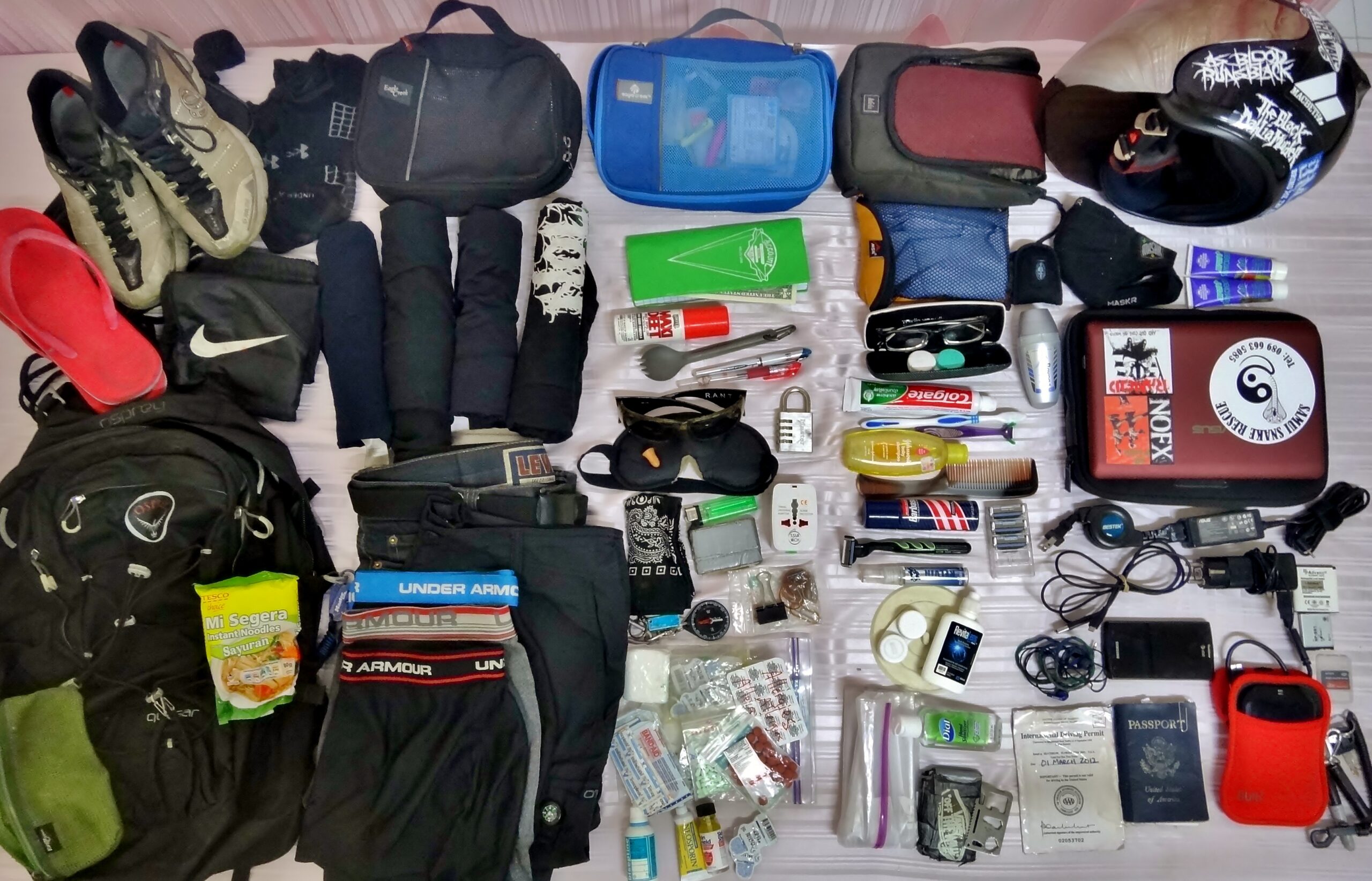
To get you started on the right supply collection task, here are some items you will need to bring with you:
- Enough canned, dried, and other food to last. You’ll need cold meats, cookies, chocolate, and other perishables. These foods shouldn’t be cooked.
- 1 1/2 gallons of fresh water per person. If you’re cautious and have a measuring cup, this should last 14 days.
- First aid kit with two weeks’ worth of medication, bandages, etc. PPE clothes and masks for everyone in your group
- Batteries, radios, flashlights, etc. Charge them
- Everyone needs walkie-talkies. One per person since cell service may be off. One per person plus extras for battery-operated gadgets
- Soap, toilet paper, undergarments, warm clothing, blankets, pillows, etc.
A professional tip: Make sure to create 3 of these survival kits and keep one in your car, one in your home, and one at your office.
Then make sure every member of your family is carrying their walkie-talkie just in case.
Prepare for the 5 stages of a Nuclear Blast
There are 5 stages you have to be prepared for and know what to do.
#1. The Flash
It is tempting to look in the direction of ground zero.
Resist that temptation as the flash travels at the speed of light and can blind you.
If you are hit by the flash you could also suffer from 2nd and 3rd-degree burns.
Sunglasses may not be of any help here.
#2. Electromagnetic Pulse
This wave also travels as fast as light does and it targets electronic devices.

When the wave hits, it does not matter if those devices are on or off, they will be ruined.
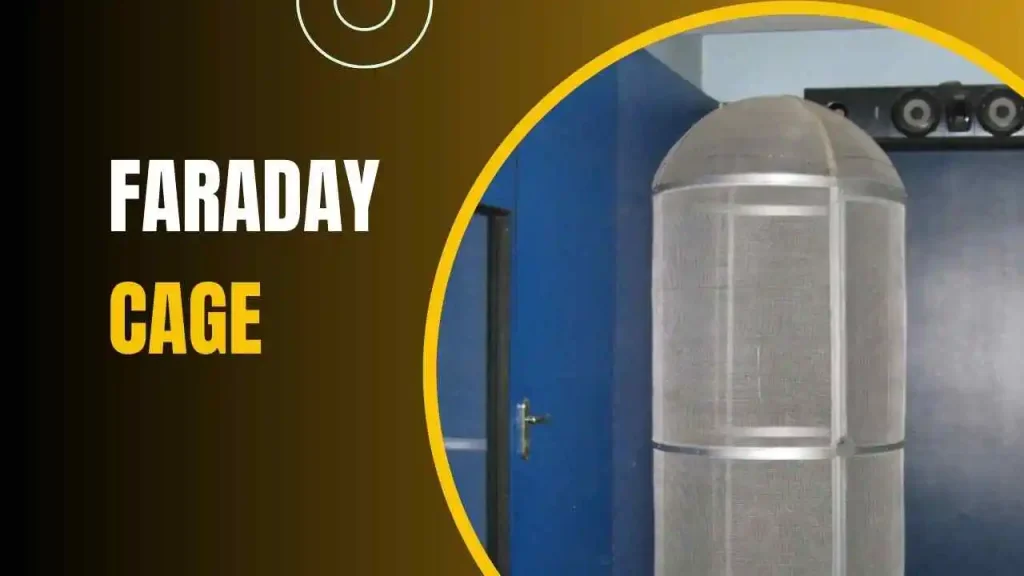
To protect your computers, etc., you would need a Faraday Cage which might not be within your ability to get one.

But you can make your own out of a metal trash can and line it with cardboard, including the lid.
Then put the lid on tight.
More practical is to get an EMP bag for your electronics.

The unfortunate thing about this electromagnetic pulse is that it goes hundreds of miles beyond the blast zone.
#3. Radioactive burst
This may not be fatal but the cancer it can cause may be.
If you are far enough away from the explosion, then you may not have to worry about this stage.
#4. The shock wave
his does not have a large radius and it is more devastating closer to ground zero than it is further away.
At 9 miles away you may not see any damage from this wave.
#5. Radioactive fallout
it will contaminate anything it touches and what makes this stage worse is the fact that it can be spread by the wind.
Once infected you may receive burns or your DNA will be altered in such a way that you will contract cancer.
How to Survive a Nuclear Blast
If you do your research now, you can start preparing the tools and food supplies you and your family will need to survive a nuclear blast.
That is just the first step in this process.
What you need to prepare for are not just the 5 stages of the blast but those basic needs that may not be met after the blast is over.
The second step is to find the right shelter and the good news is that even a simple basement can offer the right protection to you and your family.
React quickly when you get the emergency broadcast signal of a missile attack.
Here are some steps to follow to help you survive:
#1. Assess the level of attack
Is it a local, one city, or a broad attack.
Don’t panic no matter what and assess your options quickly.
#2. Assess your location
if you are in a very populated city, near military installations, or in an industrial zone, then you will see the most damage.

#3. Create your own evacuation route
government planned ones are often over-crowded and traveling is very slow.
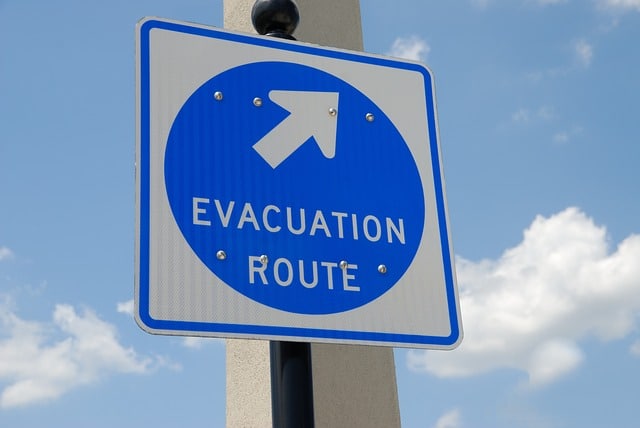
Picking your own route will give you a chance to escape faster.
If you are not in a high-target area, then stay home and keep the roads a little bit freer from traffic.
#4. Don’t hesitate
Whether it turns out to be a drill or not, once you hear the announcement get to your shelter immediately
#5. Pick a building with the thickest walls and stay away from them
Find a place in the middle of the room.

#7. Be patient
The radioactive material after a blast lasts for about 30 minutes.
Stay put even if you are injured and wait that half hour.
#8. Watch for injuries
If you or your family members are severely injured cover as much of the skin as possible and go look for help.

Lesser injuries can wait and try to set broken bones on site.
#9. Stay in Your Shelter
For a greater chance of survival stay in your shelter and stay covered for 3 days.
Avoiding the outside air for longer than 3 days gives you an even greater chance of survival.
The survival kit you created should last you and your family for 14 days.
If you can stay indoors that long then your survival should be almost guaranteed, except for other factors that come into play.
The Best Places to Shelter
The ideal spot to take cover would be your own basement.
That is because those foundation walls are usually 8 inches thick and are buried under rock, dirt, and clay.
Those elements provide you with a very good barrier between you and the flash, EMP, the radioactive wave, the blast, and possibly the fallout.
Other good locations will be basement parking garages, municipal shelters, or other buildings that used a lot of concrete in their construction.
A couple of tools to put in your survival kit will be a Geiger counter, just a basic one, and a Personal Dosimeter Meter.
That is a device that measures the amount of radioactivity your body has absorbed.
Some Final Words
Never believe it when people say that everything will die in a nuclear blast.
That is a statement that is not true.
With the right preparation, you and your family can survive one.
Don’t forget to practice some drills on your own so your family members know what to do when the real emergency hits.
The key to your and your family’s survival is not to panic.
Keep your head at all times and use common sense.

Originally posted 2022-10-03 14:32:47.