

Bugging in or getting away from it all?
When in times of disasters, natural or man-made, many people can do what is called bug out.
That is where they can safely leave the area and find a place unaffected by the tragedy.
The problem with bugging out is that there may be a large portion of the city’s population doing the same thing at the same time.
Sometimes it is safer to simply bug in and remain nice and safe in your own home.
Take a few minutes to see what bugging in is all about.
You may be safer there than out on the street with thousands of desperate people running for their lives.
What is Bugging in?
This is the exact opposite of bugging out.

It is where you decide to stay in your home and ride the emergency out.
But that is not all that is involved with bugging in.
This action also have you stocking up on supplies, and equipment as well as fortifying your home.
You make your home safe to live in while there are desperate people outside looking for ways to survive.
The only time you should bug out is when your home or area has become unlivable through different sources.
Bugging out is very risky and dangerous.
There are too many people you do not know doing the same thing and all are scared for their lives.
You never know what may happen outside.
Reasons to bug in instead of bugging out
There are some very good and legitimate reasons why you choose to stay in your home when everyone else is choosing to leave theirs.
Here are some of those good reasons:
#1. All your supplies and equipment are at your property stored safely away- there is no point running away from those supplies meant to keep you and your family alive.
#2. You have more resources in your community than on the road- with everyone bugging out competition for those resources is minimal.
#3. You know the area already- that is a big help when you are out hunting for supplies.
You know where to go and which roads to take to avoid problems
#4. You and your family will be more relaxed in your and their own beds- that will boost your chances of survival.
Plus, you have bedding to keep warm.
#5. You are less likely to get injured or harmed at home than you would be on the road with strangers.

Plus, there is less chance of younger family members getting lost or separated from you.
Preparing for bugging in
To make bugging in and staying in your home more comfortable and safe, there are different steps you need to take.
You want to be so prepared that you do not have to leave your home for anything unless something drastic takes place.
#1. Prepare enough food
Not perishables as those will spoil very quickly.
But get non-perishable food items in large amounts.

Try to prepare enough for 2 or 3 months worth of meals.
Also, make sure you have enough food for your dog or dogs and other pets.
Learn how to preserve food, for example, canning, and if possible create a garden to grow other vital food items.
#2. Water
Make sure you have enough water jugs so that everyone can drink when they get thirsty.
You will want to use the 5-gallon jugs to preserve that water.
Then buy some water-safe rain collection barrels.
Then stick them under your downspouts.

That way you can enjoy rainwater without harming your stored up water supplies.
Make sure to have water filters or water purification tablets and other water purification options, on hand to keep the water nice and healthy to drink
#3. Heat & power
A good wood stove will not only heat your home and keep everyone warm but it will also help you cook your food.
Try to have a backup generator on hand or a solar power array to keep the lights on.
Portable kerosene heaters will work for heat and light.
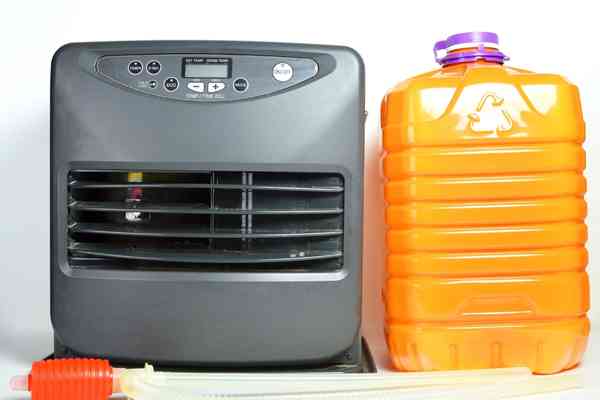
Just make sure to have enough fuel on hand to keep them working.
When it comes to cooking, you can use a charcoal grill, gas camp stove, or your fireplace or pit if you have one.
Metal skewers will make open-flame cooking a lot easier and safer on your hands.
#4. Medical emergencies
Not all medical emergencies can be helped with the following but you can cover most of them.
Have a well-stocked first-aid kit in your home.

This kit should include important medicines for allergies, heart conditions, germs, and so on.
Also, do not forget to stock up on diabetic medicine if anyone in your family has diabetes.
You will also need scissors, lots of band-aids, gauze, bandages, and antiseptic.
Make a checklist to be sure that you do not forget anything vital.
#5. Sanitation
You will need proper cleaning supplies:
- Borax
- bleach
- baking soda
- and vinegar are all great cleansers that sanitize your home.
You will need a lot of this if you are not going out for some time.
Also, to keep the mess from getting too big, make sure to have plenty of trash bags on hand to hold the garbage.
Don’t forget:
- feminine products
- toothpaste
- toothbrushes
- and other items necessary for personal hygiene.

Bars of soap will come in handy as they can be used to clean up the dirt on you as well as wash your hair.
#6. Entertainment
Have some way to keep yourself and your family entertained.
That will help take their minds off the problem and get them relaxed enough to go to sleep.
Board games, card games, and even videos or other electronic devices will all play a large role in helping your family and you survive the emergency.

Don’t forget to have the right kind of music on hand.
Music is always good to calm people down.
#7. Security
Preparing your home for bugging in means implementing different security methods.
You can buy a nice big dog but a dog won’t be able to do it all.
Motion detectors, flood lights, and cameras are good items to put around the exterior of your home.
Make the lights solar to save on energy.

Also use shatterproof film for your windows so they won’t break when rocks, etc., are thrown at them.
What’s more, reinforce your door locks and jambs so they can’t be broken, and make sure to have a couple of guns and lots of ammunition on hand.
You may not like guns but that lack will make you a vulnerable target that can be easily overcome.
#8. Tools
Things get broken and you will need a way to fix them so you are not left vulnerable to the elements or to other people who may be too desperate to be nice.
Then make sure to have on hand the right materials.
Silicone caulking, strong duct tape, roof materials, nails, screws, and so on.
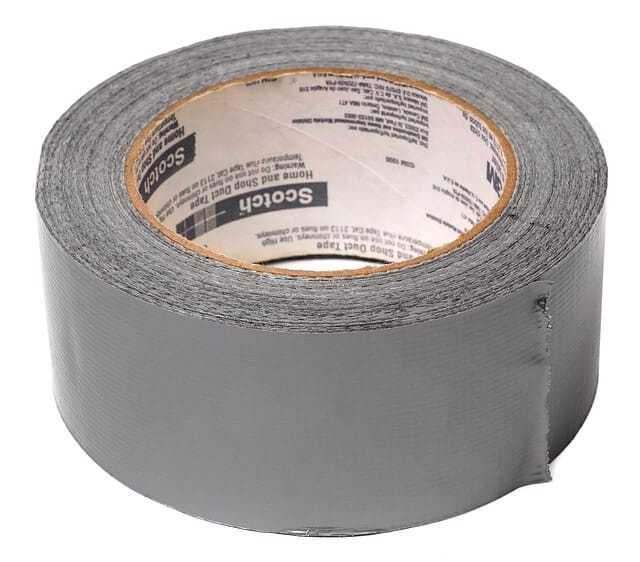
The goal is not to go out so make another checklist to make sure you have the right tools and materials on hand.
Also, do not forget spare parts for appliances, toilets, showers, and sinks.
#9. Emergency communication tools
you need to stay up on what is happening outside your home.
That means you need a good supply of communications tools.
If the cell phone network is still running, then make sure everyone has one.
Then as a back up make sure everyone has one walkie-talkie to communicate with.

Then as a home base, you should have a ham or CB radio to get any emergency broadcasts.
A satellite phone is perfect to stay in contact with loved ones.
All of the items on this list are important to have on hand.
You may not be able to go out and get anything for the first little while.
That means you need a very good, and large storage area that is well hidden from view and guests’ prying eyes.
The best thing to do is start gathering those supplies now and learn how to rotate those items that do not last for a very long time.
Plus, make checklists to help you remember every item you will need.

Those checklists are important as they make sure you know what you have and what you still need.
Also, when it comes to tools, make sure you have WD-40 or lubricating oil on hand to help keep rust and corrosion away.
Some Final Words
Bugging in may sound like a lot of work but it is a safer option than bugging out.
When you leave your home, you may not have relatives you can stay with as other people do.
That means bugging out might not be a very safe option for you or your family.
Plus, when you bug out you may not be able to take your car as the roads may be blocked.
That means you will only have those items you can carry or wear.
It is best to try and bug in so that you can protect yourself and your family better.

Originally posted 2022-12-05 14:13:20.


