Ways to Make Safe Drinking Water: You never know when you will need these skills
America is lucky.
99.99% of the water is safe to drink.
There are still areas where you can dip your coffee pot into a nice mountain stream and use that water to make your coffee.

That is as long as you boil it first.
However, there will be those times when disaster strikes and the water may become contaminated.
If you are in doubt about your water supply, there are many ways to make safe drinking water.
To find out about those methods, just continue to read our article.
It has the best information possible so you can always be sure you are drinking safe water.
How to Make Safe Drinking Water in an Emergency
This is one of the most important times when you will need these drinking water skills.
It won’t be just you needing to drink the water and using your skills to help others is being a good neighbor.
#1. Boil it
Whether in an emergency or not, boiling water kills almost all bacteria and germs.
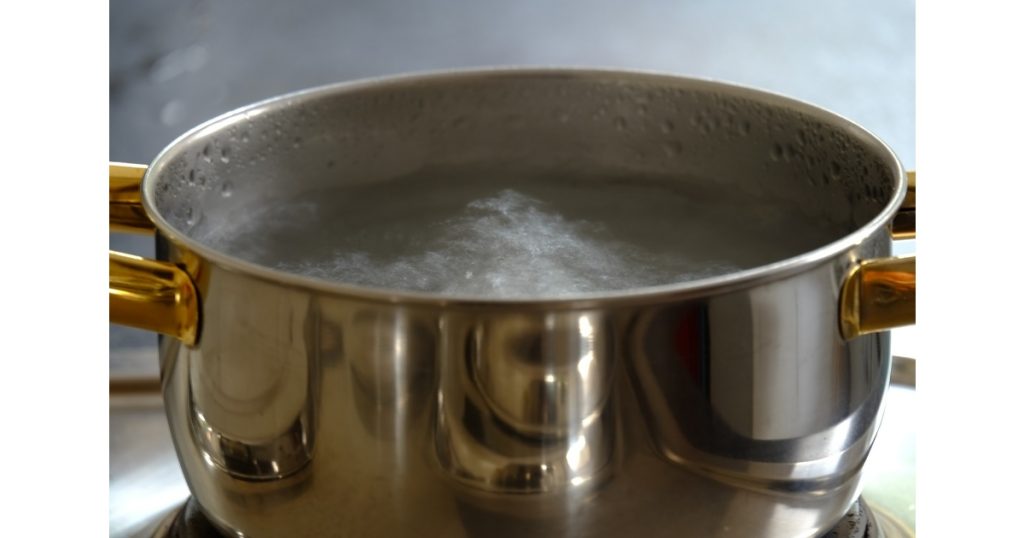
Once the water has boiled, let it cool before storing it in containers that can be tightly sealed.
#2. Use a Little Bleach
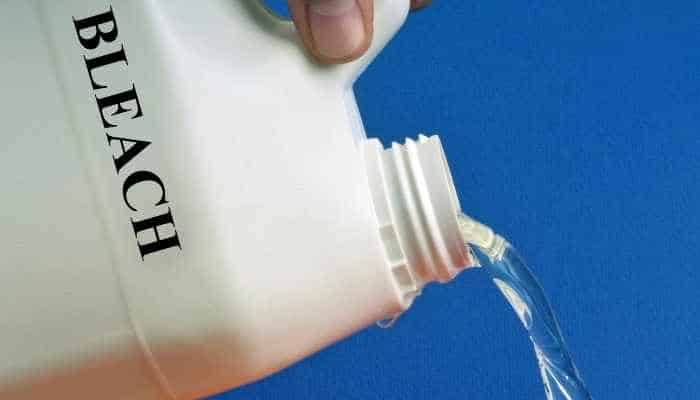
Bleach is a known germ-killer and it will work on water like it does for your clothes.
But you have to be careful of the type of bleach you use.
It needs to be unscented and have a 5 to 9% sodium hypochlorite ratio.
You use bleach when boiling is not possible.
Also, you can use iodine, or chlorine dioxide tablets to make sure the drinking water is safe for humans.
In addition, you do not need very much bleach to purify the water.
2 drops per quart, 8 per gallon, and 40 drops for 5 gallons.
Do not go over these amounts as bleach can still be harmful to drink in large quantities.
If the bleach only contains 1% sodium hypochlorite then multiply those bleach amounts by 5.
#3. Filter
This is a method you should use with bleach as well.
If the water looks cloudy, etc., then use a filter first.
Most normal filters will work for this method and you should remove at least 2 parasites that can cause diseases.
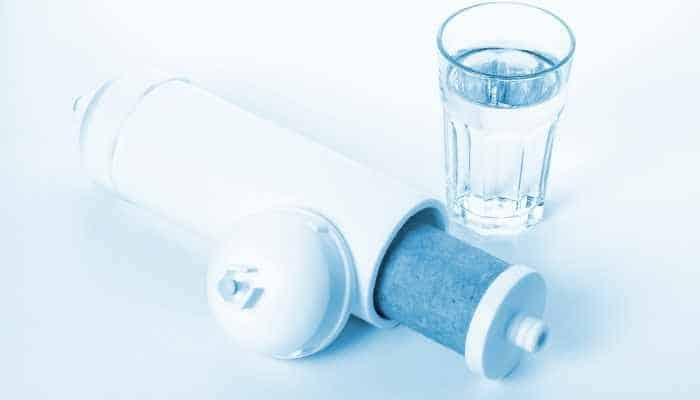
But filters should not be used by themselves.
After filtering you should use small amounts of iodine, chlorine, or chlorine dioxide to get the rest of the bacteria and germs.
#4. Honorable Mentions
UV light and Solar light- both options will kill some of the germs in contaminated water.
One reason UV and solar lights do not work is that the cloudy water can protect some germs and the light never reaches them.
These options are a last resort and should not take the place of the other options when they are available.
How to Make Safe Drinking Water – Non-Emergencies
There will be other times like camping, hiking, and other fun activities where you will need to protect yourself.
You never know when a water source has been contaminated and it is always best to play it safe.
The three main ways listed above will also be good for these situations.
The key is not to add too much bleach or chlorine, etc., to your water supply.
Plus, filtering the water and boiling it can be used at any time as well.
There are other methods you can use if you have the time or the resources to use them:
#1. Reverse Osmosis
A very complicated and expensive method to use.
Basically, this is a more detailed and refined filtering method that helps you get clean water.
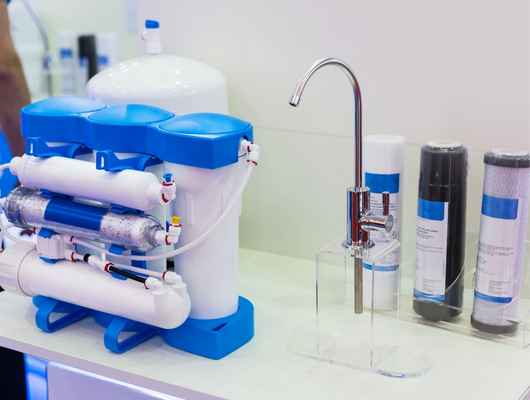
It is not the quickest method either.
#2. Distilled Water
When you are boiling the water, there is a lot of steam rising.
That can be good water going to waste.
To capture this moisture and turn it back into water, you would need a lid on the boiling water pot, a clear tube for the vapor to travel through, and a way to collect that new water.
The problem with this option is that you could lose a lot of minerals and salt your body needs.
#3. Cilantro Purification
This option may be free and if not, it won’t cost as much as the previous two methods.
If you have some cilantro in your fridge or where you store your herbs, just take a little and use it without worry.
All you have to do is drop some cilantro inside your water containers and leave it there.
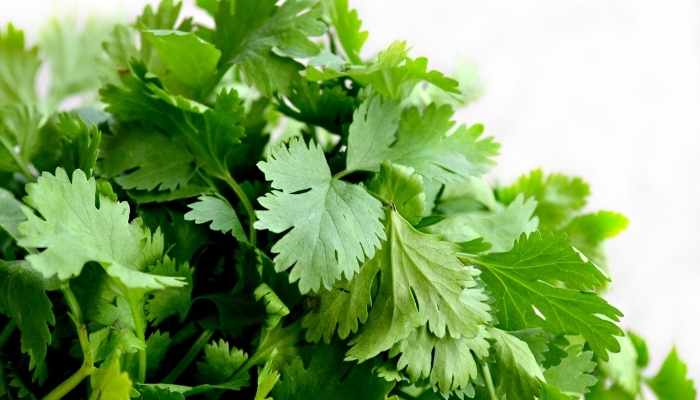
The herb attracts heavy metals and captures them making the water safe to drink.
One drawback to this method is that cilantro does not kill germs or bacteria.
#4. Water Purification Tablets
It may sound like cheating to some people but these tablets work wonders.
They purify the water for the most part.
They do kill germs etc., but they are the exact opposite of cilantro
While these tablets kill those germs, it does not do anything for the heavy metals, chemical solutions, or other solids in the water.
In other words, you may have to use both cilantro and water purification tablets to drink very safe water.
#5. Iodine
This product was briefly mentioned in the previous section.
It is a good water purifying agent but like other options, it does have its weaknesses.
When mixed with water, Iodine will kill germs, bacteria, and other biological contaminants.

However, it does not work against heavy metals or other chemical additives in the water supply.
Another drawback is that the water won’t taste that great.
Iodine does influence the taste of water and not for the better
Some final words
Getting safe water to drink is not that difficult.
Once you have mastered these methods, you may be able to find some more.
The key is to be patient and wait for the purification methods to do their job.
Boiling has always been the safest method to use.
But when you can’t boil, at least you know you have backup options that work almost as well.
Sources:
https://www.cdc.gov/healthywater/emergency/making-water-safe.html

Originally posted 2022-07-26 09:53:30.