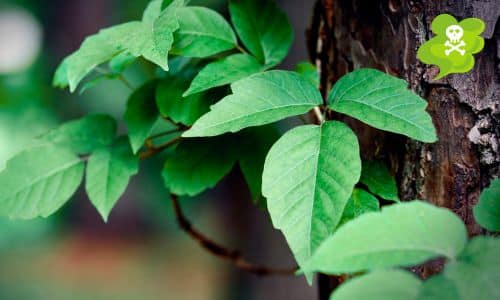
Leaves of three
This is the beginning of a little poem that helps you remember which plants to avoid.
While not always on target, you should let the plants with three leaves be.
Those plants could be poison ivy or oak.
But all poisonous plants do not have three leaves.
They may have 5, 7, or even 13 so it is imperative that when you have to forage, that you know what to look for when you are in the forest or wilderness.
The following information is just a start to get you on the right foraging identification path to find those plants you and your family can eat safely.

When you get time, you should pick up a few foraging guide books for more detailed information.
Don’t be a bad forager
When the SHTF, you will not have grocery stores to shop at for food.
If you do they may not have any food to sell you.
Then you need to supplement your pantry to make your supplies last longer.
When you run out of supplies, plants may be all you will have to eat.

That is why it is very important to study up on what plants are safe to eat and which ones are poisonous.
When you are in this situation you can be a good or a bad forager.
The latter is not something you want to be as your plant food will disappear rather quickly.
If you are just taking plants, then the supply will run out.
What your goal is to make sure those safe to eat plants will continue to grow for years to come.
How to do this specifically is taught in many good forager guide books.
Learning how to tend wild plants is one way to keep a good food and medicinal supply.
You never know when you need those medicinal plants.
Where you should forage
The first step in this process is to understand your region of the country and what plants grow there.
It is highly unlikely that you will be able to travel far when a disaster strikes so make sure you know your area well.
The second step is to make sure you are 100% sure about the plant before you eat it or feed it to your family.

Knowing the names of the plants is not enough.
You need to know what they look like before you pick them.
Guide books, etc., will have clear color photos so you can easily learn their looks and recognize them out in the forest.
Study the photos well as you need to recognize the safe plants to eat as well.
You may not have the opportunity to wander far when you are in a survival situation.
Make sure to keep your wits about you and know your environment.
That means keep an eye out for any people who may be nearby.
Watching your surroundings is the best way to keep yourself safe.

There are a lot of hiding places in the woods so you want to be careful not to trespass into someone’s home.
What plants to avoid
It may be hard to believe but North America does have poisonous plants beyond poison ivy and poison oak.
Poison hemlock, corn lily, jimsonweed, death camas, dogbane, giant hogweed, iris, monkshood, and water hemlock.
A good guide book will provide you with all the details about these dangerous plants.
But along with learning what they look like, you should read up on what to take in case some member of your family eats one of these plants accidentally.
Make sure you have medicinal knowledge to keep from getting sick or dying.
If you cannot make a 100% identification of these and different plants, avoid any plant that has at least one of the following characteristics:
- Pods containing beans
- Bulbs
- Avoid seeds if you’re not sure of the plant
- Any woody plant parts (seeds, leaves, bark) that have a scent reminiscent of almonds. These plants may contain cyano compounds.
- Plants with milky sap—-unless you know exactly what it is.
- A soapy or bitter taste
- Leaves with a three-leaved pattern on a stem
- Thorns or fine hairs
- Foliage similar to dill
Plants that are safe to forage
Again, use the guidebooks to help you find these plants as they will have pictures and descriptions of what they look like.
All of these plants are spring plants:
#1. Stinging nettles
Use gloves to protect your hands and the top 5 leaves are what you want to pick.
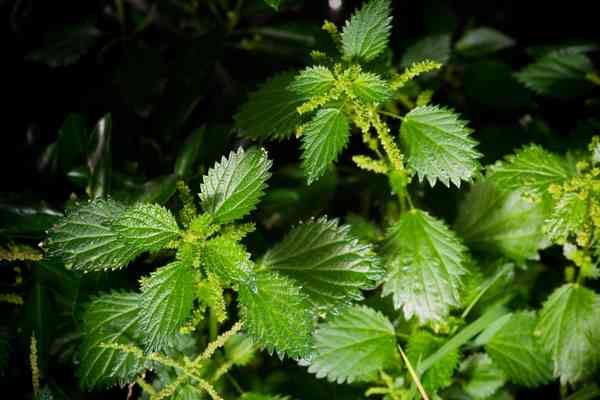
They are a great spinach replacement
#2. Dandelions
The taste may not be that great but the leaves are a great addition to a salad.
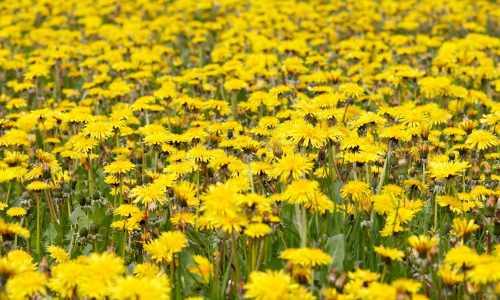
The roots can be turned into coffee.
#3. Wild Garlic/ Wild Leeks/ Ramps/ Ramsons
Have a very strong garlic odor that sets them apart from other plants.

You want the leaves not the bulbs and be careful the leaves look like the leaves from the Lily of the Valley plant which is poisonous.
#4. Chickweed
Similar to iceberg lettuce, this weed grows in abundance in many areas of the country.
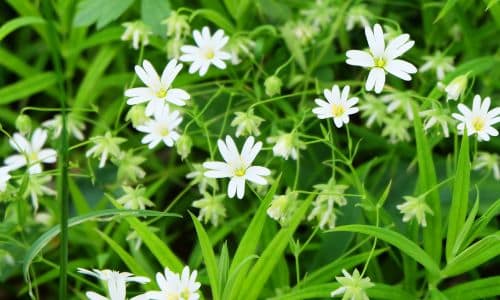
It also has a very mild and pleasant flavor to it.
Great for salads
#5. Fat Hen/ Lamb’s Quarters
This plant is part of the spinach family.
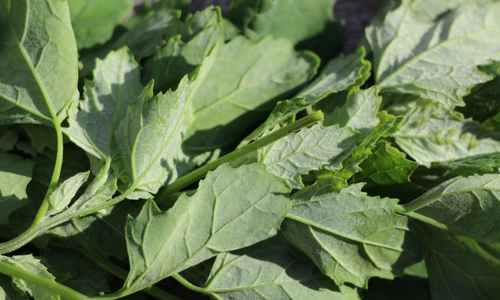
It has a mild to bland taste to it.
Then if you crush the fresh roots, you can make some soap for baths.
#6. Plantain
There are several varieties of this wild plant.
But it is used like cabbage or kale.
It tastes better when it is cooked.
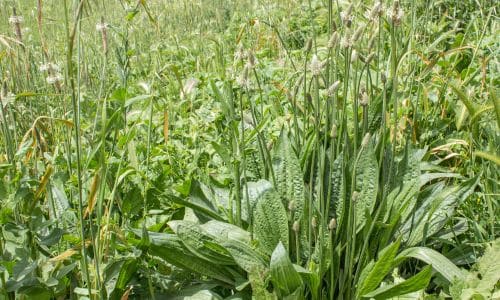
Or you can use it in salads as long as you do not pick them up later in the year.
The leaves tend to get tough as they age.
#7. Henbit
The heart-shaped leaves will identify this wild plant.
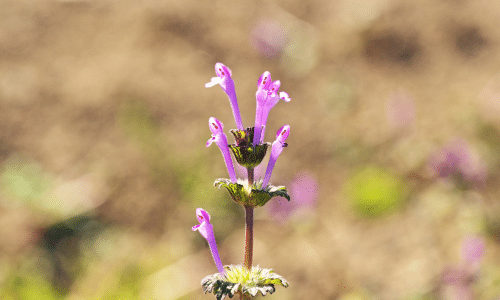
It comes with a slightly sweet flavor that leans to the mild side of taste.
It is a versatile plant that can be served in a salad or it can be cooked as a replacement vegetable when you run out of other vegetables.
#8. Burdock
This is a dual purpose wild plant.
Not only can its stem, root, and leaves be eaten, but it also serves as a medicinal plant.

There are a variety of ways to cook this plant but go for the smaller ones to avoid any bitter flavors.
#9. Fiddlehead Ferns
Watch out for ferns, this is one of a few that can be eaten.
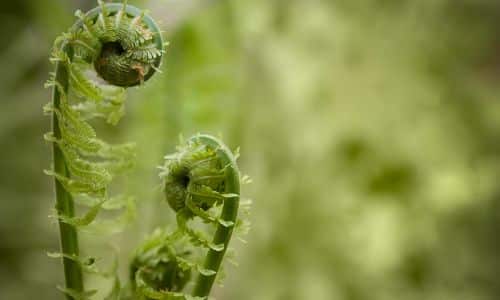
The others include Western sword fern, Lady fern, Bracken (needs to be fully cooked to be safe) & Ostrich fern (caution required)
#10. Miner’s Lettuce
This wild spring plant can be found in the western mountain regions as well as the western coastline.
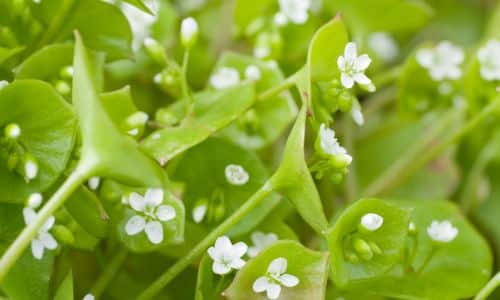
It can be boiled like spinach or used as a broad-leaf vegetable.
It helps fight off scurvy.
#11. Common sorrel and sheep sorrel
Another salad or broad leaf substitute for other vegetables you may like.

It too can be used as a medicinal plant so look up its medicinal properties.
#12. Yarrow
This is more of a medicinal plant than an edible one but if you have nothing else, then this is a nutrient packed replacement.
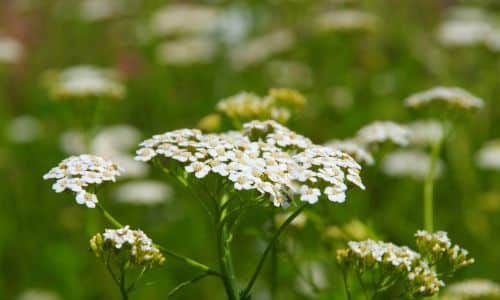
The minerals are in the leaves and the leaves are often used as hops replacement in beer making.
#13. Wild Asparagus
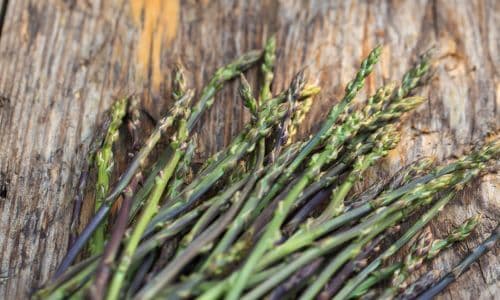
The same as domesticated asparagus
#14. Day Lily Shoots
They look pretty and they are a great additive to stir fry meals or pasta.
#15. Cattail Shoots
These plants grow in water, streams, lakes, marshes, and so on.
They also grow everywhere in America.

Just do not pick any from polluted bodies of water.
One word of warning
When you are out foraging, you know how to look out for poisonous plants.
There is one more danger you should be aware of.
Depending on where you are doing your foraging, you have to be careful of pesticides and other chemicals that have been sprayed in the areas you live and forage.
Also, before you pick any plants, look at the area upstream.
There could be a mine or other enterprise contaminating the soil.
You may think you are eating a safe plant but these hidden dangers can turn that plant into something that will make you sick.
Be watchful of where you forage so you can avoid getting sick at the wrong time.
Some final words
Learning how to forage takes some research and study time.
You need to know what to look for, which plants are or aren’t safe to eat, and so on.
But this is all helpful information that can keep you and your family alive until things change for the better in the country.
Eating wild plants is not wrong, you just have to be careful.
Watch out if you stray onto private property.
Make sure to have permission first before you pick anything.
You do not want legal or other trouble.
Please share this post with your friends by clicking one of the icons below:

Originally posted 2023-04-16 05:21:58.