Food Storage for Preppers: Having food on hand in the event of a disaster is essential for every prepper.
- Food Storage For Preppers and Survivalists
- Important Food Hygiene and Storage Information for Preppers
- Throw away expired food
- Keep your hands clean
- Do not cross-contaminate
- Only cook with potable water
- Wash all utensils and cutlery in hot water
- One server
- Storage
- What to Put in Your Food Bags in Case of an Emergency?
- Water is essential, but it may be cumbersome to carry
- Bring easy-to-cook foods like oats and spaghetti that can be cooked in a pot of boiling water.
- Food in cans can be cumbersome
- Make a list of everything you'll need in case of an emergency
You are your own best buddy in times of need.
It’s possible that the supermarket’s shelves are bare or that the business is closed.
You’ll probably go hungry if you don’t have anything planned ahead of time.
When preparing for an emergency, it is important to prepare beforehand.
Putting a Twinkies box beneath your bed will not suffice.
You and your family need an adequate supply of food.
Other considerations include the food’s nutritional value.
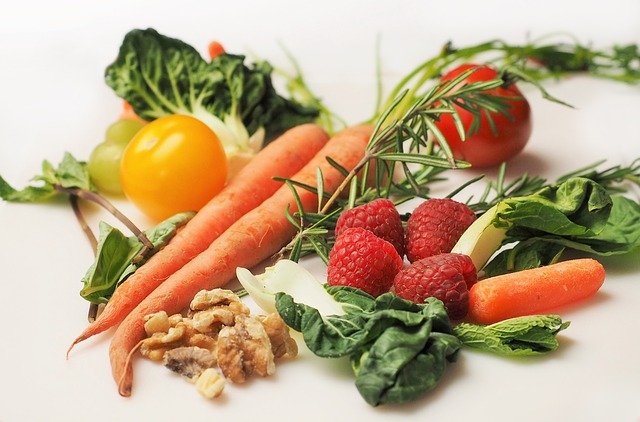
You’ll learn some important considerations to keep in mind while stockpiling food in case of an emergency in this article.
Food Storage For Preppers and Survivalists
You’ll avoid wasting time, money, and energy by asking yourself these questions and preparing appropriately.
• What are you going to stockpile?
This is the most critical question of the bunch, in my opinion.
Dietary requirements and energy demands must be taken into consideration while making meal selections.
There is less diversity in your diet now than ever before, so you need to be extra careful.
Having a supply of pasta on hand is a good idea.
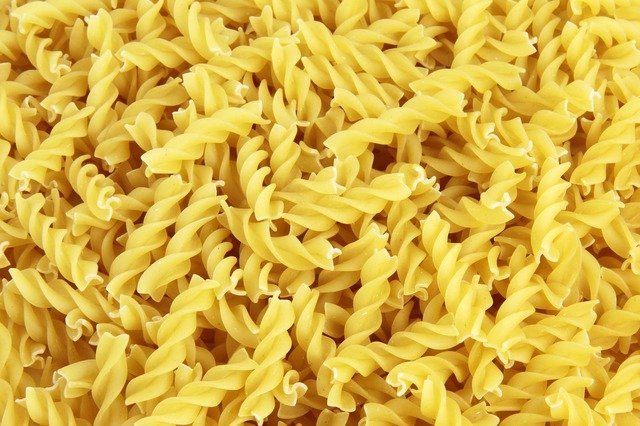
Boiling water is all that is needed to prepare them for consumption.
It’s simple to make, and it gives you with a source of energy.
Keeping this on hand is a smart idea.
If you don’t already have a lot of these items on hand, you’ll need to hunt for more that are both nutritious and long-lasting.
It depends on how much space you have available.
A 30-day supply of food is a good goal to aim towards.
Having a family means you’ll need to stock up on a lot of food.
You’ll also have to consider their preferences and concerns. Food for pets must also be stored in case of an emergency.
• What is your financial situation?
Admit it: the truth hurts.
Building up your food reserves will not be inexpensive in the beginning.

You’ll need to stock up on a lot more things than you’re used to merely for storage.
Great, if you can afford it.
If you can’t afford it, you’ll have to prepare for the additional strain it will put on your finances.
The good thing is that you can always rotate your supplies after you’ve accumulated your food stockpiles.
To refill your resources, you’ll eat what you’ve already eaten, and you’ll go grocery shopping to buy more food.
You need to think about where and how you will keep them.
You’ll need a place to keep all of your food.
Clean, dry, and not exposed to direct sunlight are ideal conditions for storing food.
It should go without saying that bugs and rodents should not be present since they will feed off of your resources.
You’ll also have to decide whether or not you want to store canned goods on shelves.
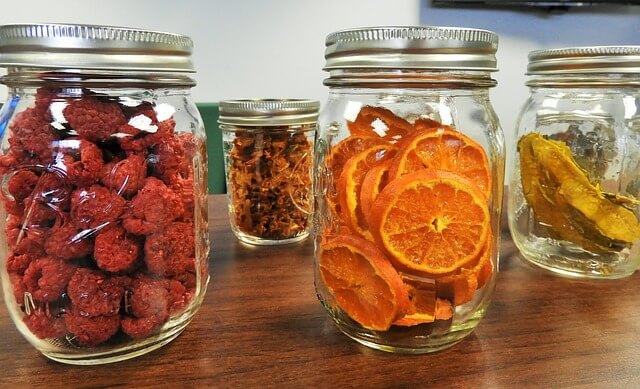
When preserving your own food in mason jars, you’ll need a location to keep them safe and secure, as well the best approach to keep your food safe is to store it in a manner that minimizes contamination.
• For how long do you expect your stock to last?
Prepare for at least 30 days, but even if you can only prepare for 14, go to work on it right now.
The most essential thing is to be aware of your position.
You’ll know precisely how much food you have in case of an emergency.

Instead of wolfing down the whole container of food because you’re upset or hungry, you’ll be able to save some for later.
• Are you considering a trip?
In the event that you have to leave your house, it’s a good idea to stock up on supplies.

You’ll have to abandon your house if there’s an earthquake and it’s deemed hazardous. Having a list of ready-to-go food items can help speed things up and eliminate the need to think.
It goes without saying that the rations you store should be light and packaged as little as possible.
They should, in theory, satisfy your caloric needs.
It’s a good idea to have some multivitamins on hand, as well as some comfort foods like chocolate that you may bring along.
Your food preparing will become more self-aware when you ask yourself these six questions.
Think about anything from nutrition to cost to whether or not your family is allergic to a certain item before making a purchase.
If disaster strikes, you’ll be much better off if you’ve planned ahead of time and won’t have to stress about food or other necessities.
Important Food Hygiene and Storage Information for Preppers
Food hygiene is especially important during times of crisis.
Depending on your situation, you may either be taking shelter indoors or you might have to evacuate and you’re outdoors.
Whatever the case may be, practicing food hygiene while preparing your meals will prevent you from becoming ill or suffering from food poisoning.
Throw away expired food
The first step to proper food hygiene is to make sure the food you’re eating has not expired.
While this may not be considered ‘hygiene’ in the technical sense, it is common sense.
All the food hygiene in the world will not help if you’re eating expired food.
Do note that there is a difference between a ‘sell by’ date and a ‘use by’ date.
A use by date indicates when the food expires.
You should NOT eat food after the ‘use by’ date.
A ‘sell by’ date, however, is about quality control.
The stores selling items only want the freshest items for their customers.
When a product approaches the ‘sell by’ date, they’ll either discount the price of the items to clear the stock or they’ll throw them away.
However, you can still consume the food because a ‘sell by’ date is not an indication of expiry.
Keep your hands clean
This is the biggest culprit of the lot when it comes to contaminated food.
Wash your hands thoroughly before preparing food.
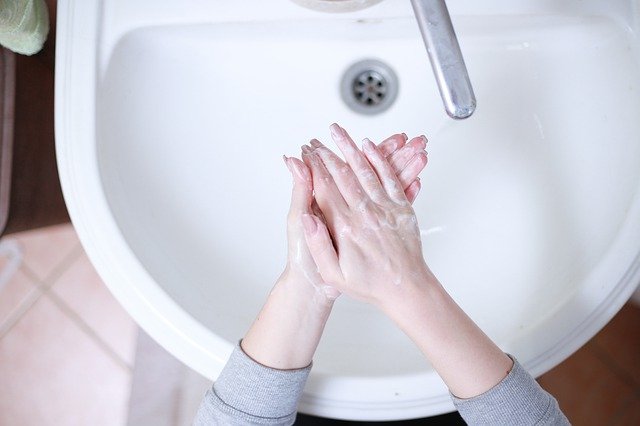
Even if you’re outdoors and you do not have much water, it’s best to give your hands a quick rinse and use hand sanitizer to disinfect your hands prior to handling the food.
Rinse your utensils and cookware well too.
Do not cross-contaminate
If you’re handling raw meat, it’s crucial to use separate knives and cutting boards.
Do not let the bacteria from the meat come into contact with the vegetables.
While the meat will be cooked at high heat which destroys the bacteria, you’ll probably not be cooking the vegetables in high heat and might end up consuming the bacteria along with the veggies.
Be aware of this.
Only cook with potable water
Ideally, you should only cook with water that you can drink.
Filtering water that you collect from a lake will not remove the viruses and pathogens.
If you must use this water, make sure you boil it well first.
This will kill all the viruses in the water.
Wash all utensils and cutlery in hot water
When you’re done with your food preparation and eating, do try to wash the utensils well.
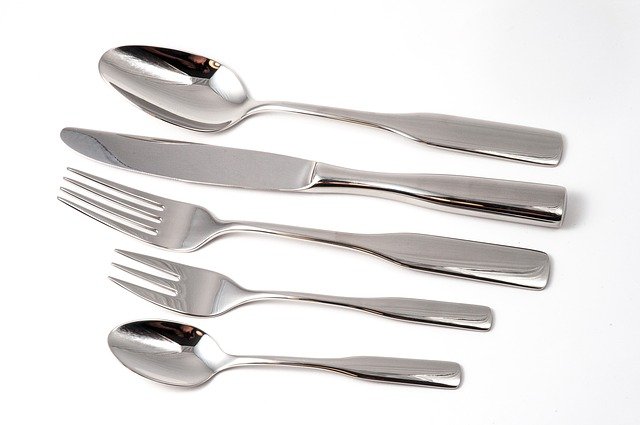
This might be difficult to do if water is scarce.
That’s why it’s ideal for preppers to store paper plates and plastic cups that are disposable.
One server
If you’re staying outdoors, it’s best to have one person to cook the food and one person to serve it.
These two people will have rinsed their hands and be hygienic enough to handle the food.
They’ll serve the rest of the family or group.
This will prevent everybody from grabbing whatever food they want with hands that may be less than clean.
Storage
Store your food supplies in a place that is dry, cool, clean and away from rodents.
It’ll be a good idea to keep a collapsible mesh cover with your food supplies.
When you do prepare meals, you can pop up the mesh cover to protect your dishes from flies.
Build shelves in your storage area and place your food supplies on the shelves.
It’s best not to place food supplies on the ground.
It doesn’t matter if the supplies are in cardboard boxes or sealed in plastic.
Always place your supplies on a shelf or pallet that’s on a raised level.
Follow the information above and you will avoid food poisoning and other illnesses.
Just a little precaution goes a long way.
During a crisis, you really do not want to get sick.
Finding a doctor will be a hassle and a depressing situation will get worse if you’re ill.
Practice food hygiene at all times and you should be safe.
What to Put in Your Food Bags in Case of an Emergency?
Prepping for a disaster and stocking up on food supplies for 30 days might be upsetting if you discover that you must flee because of an upcoming storm or because your house is no longer safe to live in because of an earthquake.
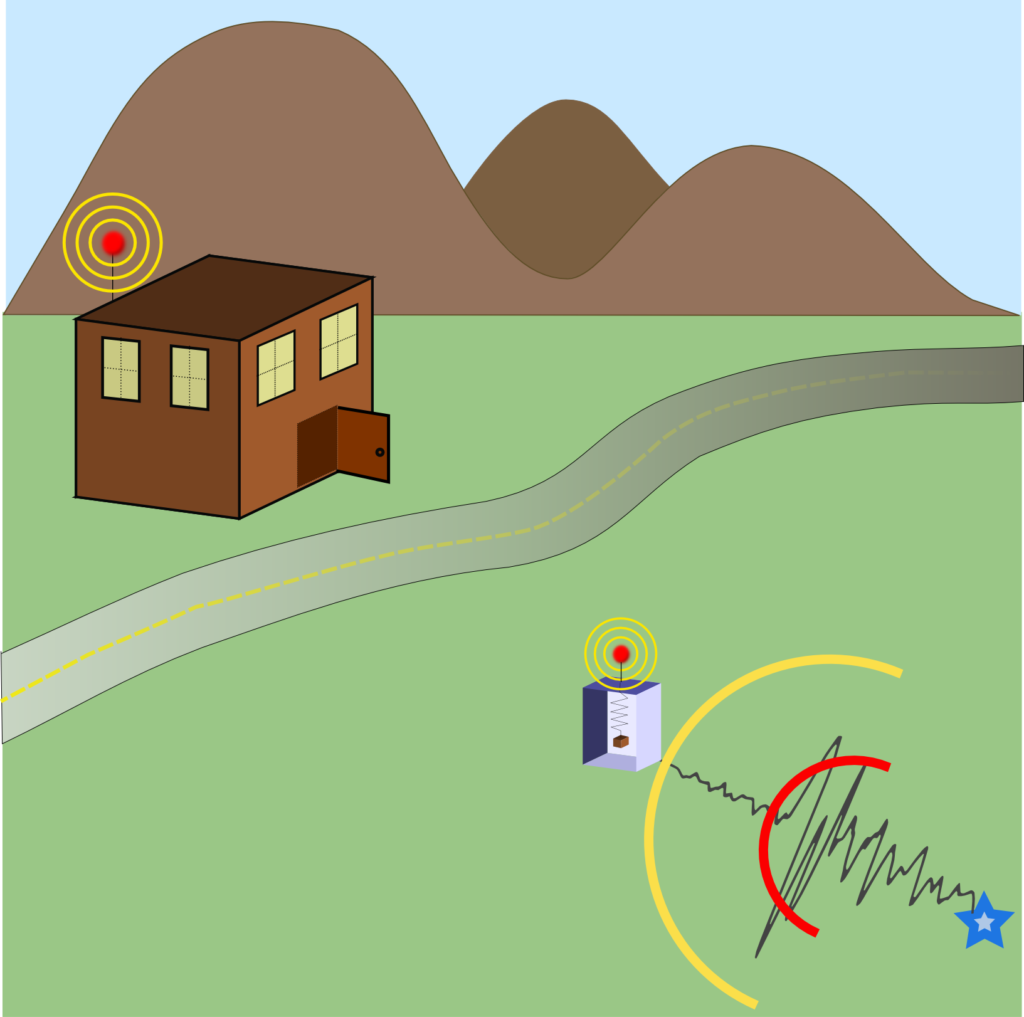
Your efforts seem to have been in vain.
These are very real dangers and even the best designed strategies may suffer major failures owing to the unpredictability of most crisis situations.
All of your food supplies might be destroyed in a matter of minutes in the event of a flood.
The portion of your home containing all of the food may fall apart during an earthquake.
In most circumstances, authorities will provide evacuation warnings before a tragedy occurs.
It’s in your best interest to follow their advice and leave your house.
But before you go, make sure you have enough food to last you for the duration of your journey.
There is a good chance that your vehicle may break down or run out of gas while you’re going to a new location, so even if you know that there is food and shelter available, you should still pack at least three days’ worth of food with you.
Alternatively, the roads may be impassable due to floodwaters, forcing you to take a longer route.
You won’t have to worry about going hungry if you stock up on your own food.
There is nothing worse than being stranded in the middle of the night when all the shops are closed and you have nowhere else to turn.
Prepare your bug out bag and food from your supplies as soon as you decide to depart.
But what are you going to take with you?
Take heed to the following advice and you’ll be on your way.
Water is essential, but it may be cumbersome to carry
Using water bags to keep your water is an option, but sharp things may puncture the bags and cause them to leak.

Water bottles are more long-lasting, but they are also more heavy.
Make sure each individual brings a gallon of water every day.
Bring easy-to-cook foods like oats and spaghetti that can be cooked in a pot of boiling water.
These will still satisfy your hunger.
Food in cans can be cumbersome
Tuna and spam are the best options if you’re packing them on a trip.
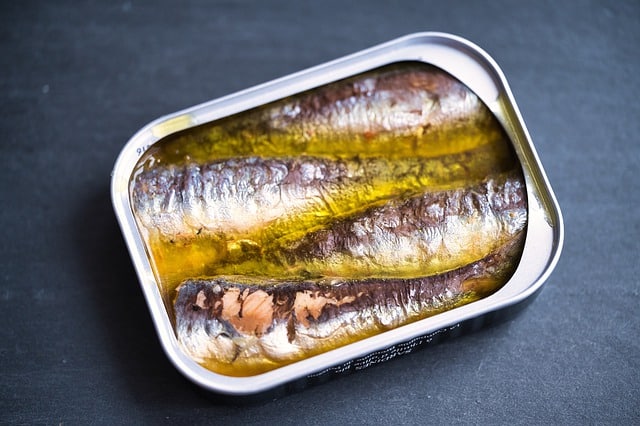
The high protein content will keep you full for a long time.
The weight of 5 to 7 packs of ramen noodles is scarcely noticeable in your bag.
If you’re looking for a quick fix for your hungry pangs, these will do the trick.
The amount of food you can carry depends on your method of transportation
You can carry a lot more food with you if you’re driving.
On foot, you’re limited to what you can carry.
Never leave your food out in the open if you have to spend some time outside on way to your destination
Insects and other creatures will be drawn to your food supply.
The food should be stored in sealed plastic bags so that it doesn’t get wet if it’s raining.
In general, bringing raw meat or vegetables on an evacuation is not a smart idea.
It will be difficult to move them and there is always the risk of cross-contamination.
Avoid perishable items such as fresh produce and opt instead for dried or tinned alternatives.
Make a list of everything you’ll need in case of an emergency
Prepare for this far in advance of the event.

Preparation in advance will help you save time.
When you’re in a panic, you won’t have to think.
Make sure each member of your family has their own bag so that they may bring their own food along.
As a result, you’ll be able to carry more food and distribute the weight.
If you follow the advice in this post, you’ll be better equipped to flee your house and seek refuge elsewhere.

Originally posted 2022-03-08 16:37:53.