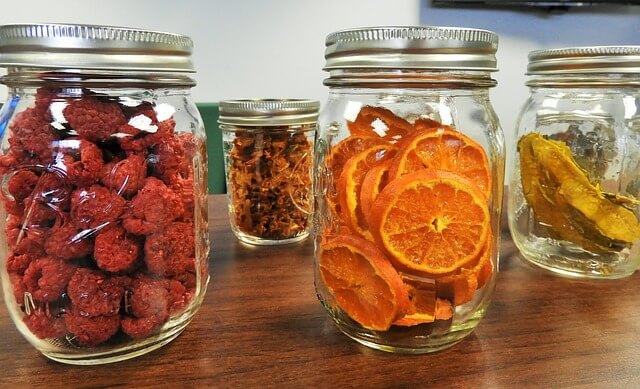
There is often much confusion when it comes to storing food for an emergency.
Many preppers are unaware of the difference between freeze dried foods and dehydrated foods.
They are unsure if they should stock up on protein bars and meals ready-to-eat (MRE) or just get canned food from the supermarket.
This article will give you a list of food tips that you can easily follow if you want to get started.
Along with some nutritional tidbits too.
These are not hard to follow but they’ll be helpful.
Once you have some food supplies stored away, your confidence will increase, and you’ll get more experience and know what to purchase and how to store your food.
Food Storage tips for Preppers
-
Store brown rice & pasta
Carbohydrates are extremely important to provide you with fuel and keep you feeling full.
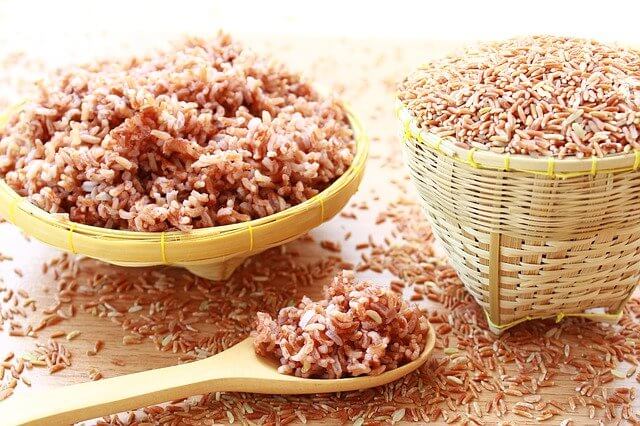
Brown rice has more fiber and will leave you satiated for longer.
Pasta is lightweight and can be easily prepared with just boiling water.
If you need to suddenly evacuate, grabbing a bag of rice and pasta will give you enough food for a few days.
-
Oatmeal
This is another good food to store.
It lasts a long time and you can eat it for breakfast daily.
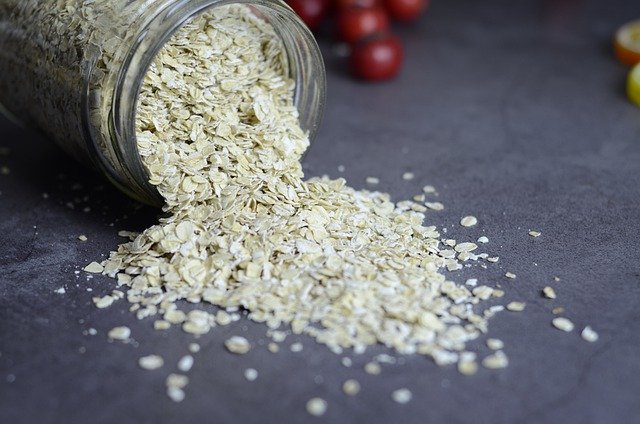
All you need is hot water to prepare oatmeal.
It’s light and can be easily carried if you need to get out of your home.
-
Sardines, salmon & tuna
These foods are rich in protein and omega-3 fatty acids.
They’re nutritious and come in small cans that are portable.
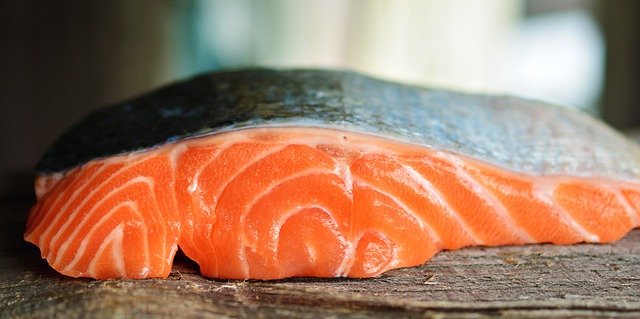
All you need to do is cook some rice and open up a can of tuna and you’re good to go for a meal or two.
-
Raisins
Raisins are a good source of energy because they’re rich in sugar and will perk you up.
Toss a few into your oatmeal and you’ll have a tasty breakfast.
They last a long time too.
-
Ramen
While not the best of foods to eat, during a crisis, these ramen noodles are easy to prepare and will fill you up.
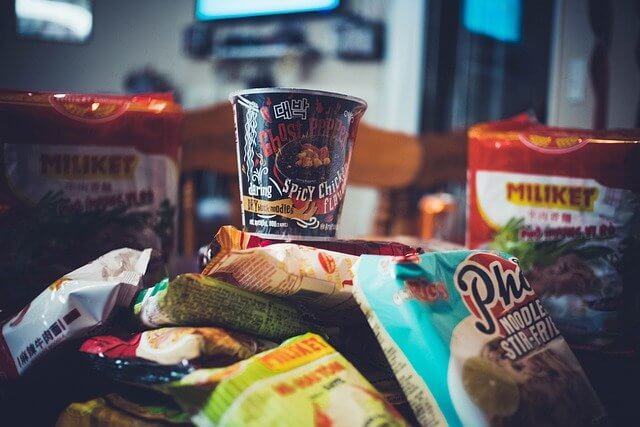
They only require boiling water and a few minutes to prepare.
They last a long time and are light enough to pack and carry in your bug out bag if you need to evacuate.
-
Canned beans
Beans are an excellent source of protein.
If you don’t have access to meat, beans will provide you the protein you need.
Open up a can, mix some beans with your rice and you’ll have a good mix of protein and carbs.
Kidney beans and black beans are fantastic sources of protein.
-
Sugar, spices and salt
Make sure you store these two.
Any meal can be made tastier by stirring in some spices.
Is your tuna too bland?
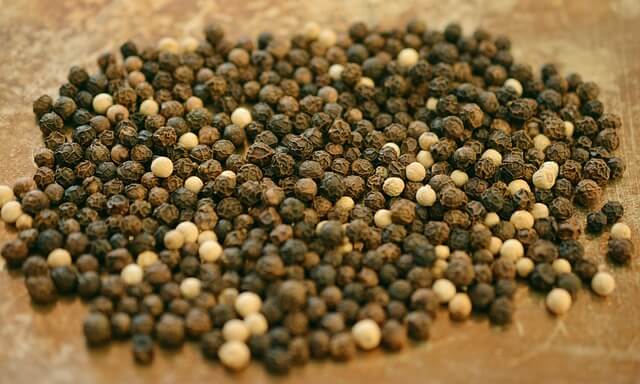
Add a dash of black pepper and some turmeric and your tuna will taste great.
The same applies to salt and sugar.
These are essential items that you MUST have.
-
Mixed greens
While you may not have access to fresh vegetables, you can always turn to canned vegetables to get some of the benefits.
The extra fiber and micronutrients will do your body good.
-
Cocoa, coffee or tea
Many people overlook this.
On nights when you’re cold and feeling down, making a cup of hot chocolate will really help to lift your spirits.
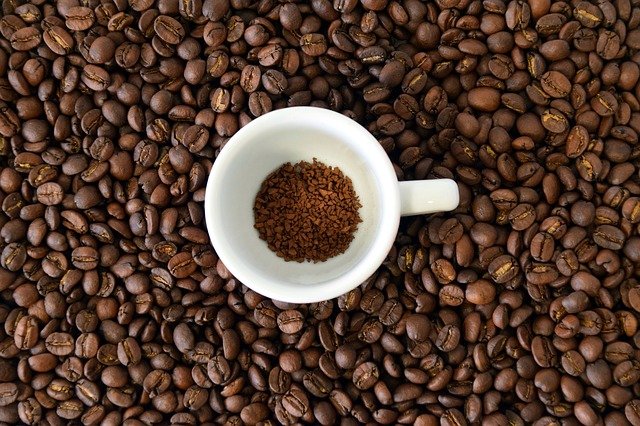
Store coffee or tea if you prefer these.
Now you’ll realize why it’s important to store sugar as part of your food supplies
-
Spam
Often scorned as low-quality meat, during times of crisis, being able to fry and eat slices of this canned meat will be a luxury.
Add a few slices to your rice and mixed greens and you have a meal with proteins, fats and carbs.
-
List and Rotate
Remember to list all the foods you’ve stored and write down their expiry dates.
This will allow you to consume what’s about to expire and you can replenish your stores in a timely manner.

If you do not keep records, it will be a nightmare to keep track of all the food.
Remember to store the oldest food in front and the newer supplies at the back.
-
Keep Away from Sunlight
Last but not least, keep your food supplies in a clean and dry place away from sunlight or heat.
This will ensure that your foods last as long as possible.
Use this list of tips as a guide to planning.
Start small and slowly build up your stockpile of food.
It may seem intimidating and a Herculean task at first but if you approach it in a gradual and sensible manner, you’ll achieve your goal in no time at all.
Storing Food Based on Your Nutritional Needs
A hurricane that devastates an area and leaves heavy floods will make roads inaccessible.
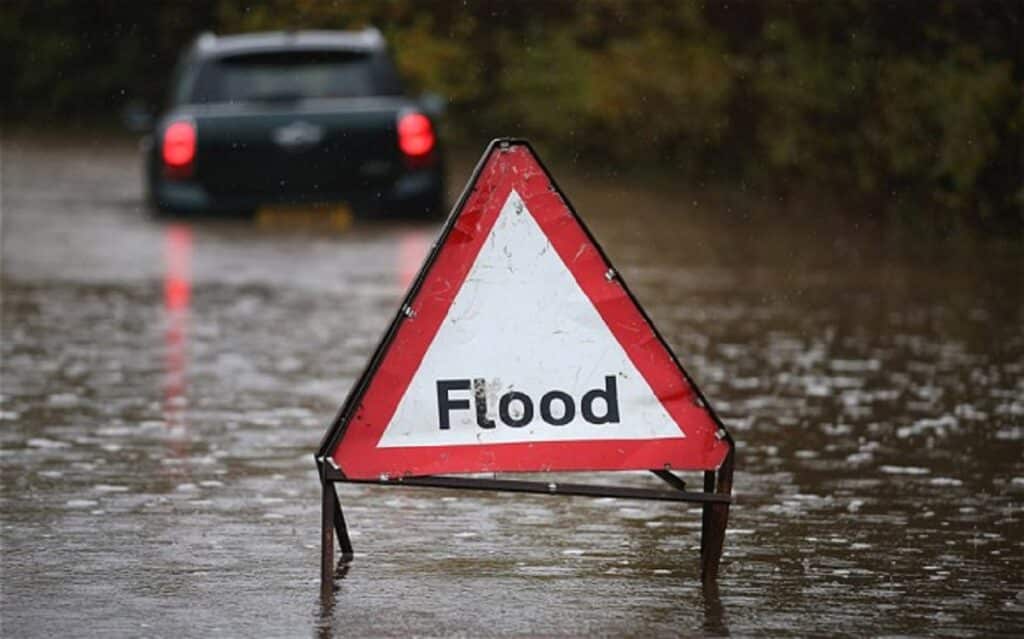
Stores may be closed and this may last a week.
If terrorists coordinate several strikes on food supply routes, food deliveries may be delayed by weeks.
What will you do?
Is three days’ worth of food going to help.
The rule of thumb is to store at least 30 days of food supplies to tide you over any emergency.
Now, this is easier said than done.
You must store foods that are nutritious so that your body gets all the nutrients it needs during the crisis.
You do not want to have nutrient deficiencies that weaken you and compromise your immune system.
On the other hand, the food you store should be food you like eating.
There must be a balance between nutrition and taste.
If not, eating your food supplies will be just as demoralizing as the situation itself.
What Can you Do – The Food Pyramid?

- Make a list of all the foods you enjoy eating. These should be food that you can eat out of a can or prepare with some light cooking.
- Now check that list against the USDA food pyramid:
- The foods that you consume during peace time will be varied and most often you’ll get most of the nutrients you need. During times of crisis, when your food intake is limited, it’s important to pay close attention and check if you’re getting your daily requirement of carbohydrates, fats, proteins and minerals.
- Now check the list you prepared against the food pyramid. Do you have foods in several different categories? You’ll now need to check which foods can last in the long term
What Can you Do? Nutrition
- For carbohydrates, you can always store pasta and freeze-dried fruit. For fats, you can keep a bottle of coconut oil or olive oil in your supplies. 2 tablespoons of coconut oil a day will give you a healthy dose of good fats.
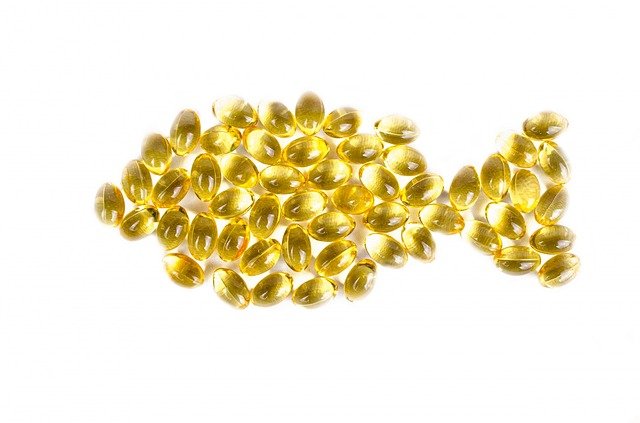
- It’s best to have multivitamins, fish oil supplements and a greens supplement as part of your supplies. This will shore up any nutrient deficiencies and you’ll be covered. You may wish to keep a bottle of magnesium pills to help calm your mind and give you better sleep during difficult times.
- When it comes to proteins, many people immediately think of meat. While frozen meat lasts a long time, there is always the possibility that the power goes out. When that happens, the meat in your chiller will start to rot. So, it’s best to store either freeze dried meat or you can store nuts and brown rice to meet your protein needs.
- Do remember to store some comfort foods as part of your food supplies. Candy bars, chocolate and other tasty treats will help provide that little bit of emotional relief from the stress of a difficult situation.
- When storing foods, it’s important to store the foods you like eating. If most of the foods you like can’t be stored for long periods, it’s best to occasionally eat some of the foods you plan to store.
Final Words
You want to get used to the taste of the food and give your body time to get used to them too.
Suddenly, putting your body on a diet of ready-to-eat meals (MREs) during a crisis is going to add to the stress.
Follow the tips in this article and plan your food storage accordingly.
It may take you a couple of days to figure it all out.
Looking for substitutes for fresh food can be a challenge.
For example, instead of fresh vegetables, you will need to look for tinned vegetables… and you might not even like the taste of these, but you need them to meet your nutritional requirements.
So, there is some thinking required and you’ll need to find the right balance.
Take into account all your family members’ needs and preferences too.
Remember your pets too.
Plan it all out on paper and then start your food stockpiling.

Originally posted 2022-02-19 08:05:05.