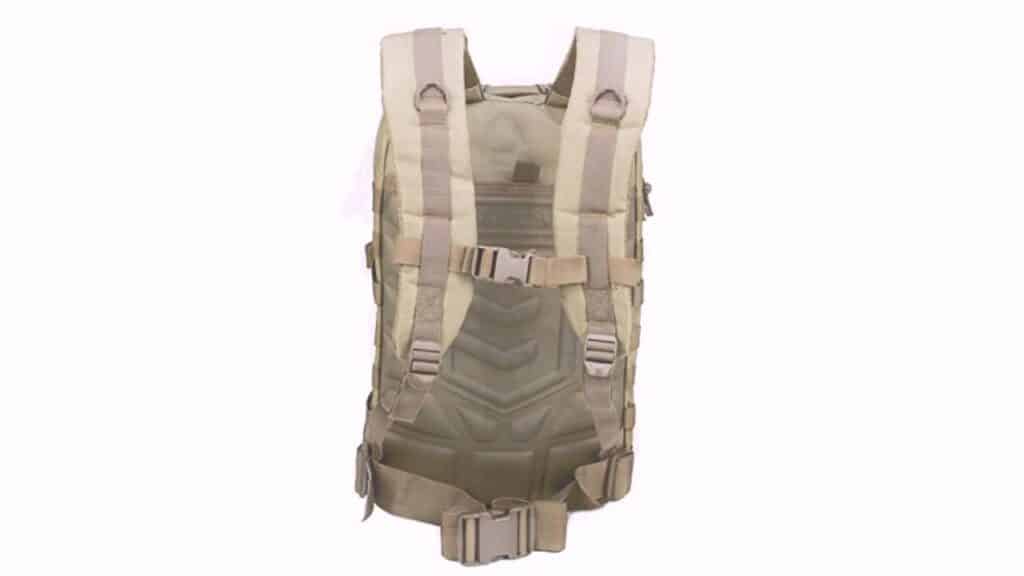
A bug out bag should be kept in the home in case of an emergency, however many people are unprepared for such a situation.
As a result, when a disaster strikes, we witness people scrambling to get their hands on essential necessities that have become rare.
Don’t let yourself become one of those individuals.
If an emergency occurs that will most likely need you to leave your house, you should be prepared.
The only thing you need to do when one of these situations strikes without notice is take your bug out pack and head out to the nearest highway.
What to Include in Your Bug Out Bag
Prepare ahead of time.
The following suggestions will assist you in packing your bug out kit quickly and efficiently.
Don’t bring more than you’ll actually need.
Whenever you’re preparing for an emergency that might last up to 72 hours or more, it’s tempting to pack everything you *think* you’ll need just in case.

Consequently, you will have a large number of goods in your bag that you do not require.
And you will have difficulty retrieving the items that you do require from the bag.
Your bug-out pack should contain only the basics, not your needs and desires.
Allow for some breathing room
The most crucial advice that many people overlook is to allow extra space in their bug out pack in case they fail to acquire something important that they need.
There will be moments when you will need to stop and pick up more goods along the route.
It is critical that you have enough space in your luggage.
Otherwise, you will be forced to carry the additional goods in your hands throughout the entire voyage.
Spare parts should be kept on hand
Never leave home without a backup for any item.
If one thing is lost or damaged, you can quickly replace it without feeling stressed out.
Consider the following scenario: if you have a water filter, you should also bring along water purification pills with you.

Using this method, if your water filter becomes damaged, you may still utilize the water purification tablets.
Change your inventory on a regular basis
You should constantly look through the contents of your take-out bag on a regular basis to keep track of the goods that are approaching their expiration dates.
Check all of your vitamins, medications, tinned food, and other goods to see whether they need to be replaced.
Be aware of your surroundings
When deciding what to include in your bug-out bag, it’s important to consider your surrounding surroundings.
If you intend to travel to a remote area, make sure to pack products that are appropriate for a remote setting.

Similarly, if you plan on bugging out to a location in the city, you must prepare your belongings for a bug out in the metropolis.
How to Keep Your Bag Organized
It is necessary to address the packing of your bug out bag now that you have reviewed the items that should be included in your bag.
There are two approaches to putting together a bug out bag.
The first method is to organize the contents of the bag according to its function.

You must categorize your belongings into three categories: non-emergency, urgent, and emergency.
The bottom of the bag is made of leather
Pack the items in your luggage that you will use the least often at the bottom of your bag.
These are objects that you would not grab for if you were in a life-threatening situation.
The first thing you should do if your bug-out bag has a bottom compartment is to put your sleeping bag in there first so that it has a lovely soft cushion when you put the bag down.
Bed linens, extra clothing, hygiene products, and other supplies are examples of non-essential things.
The centre of the bag
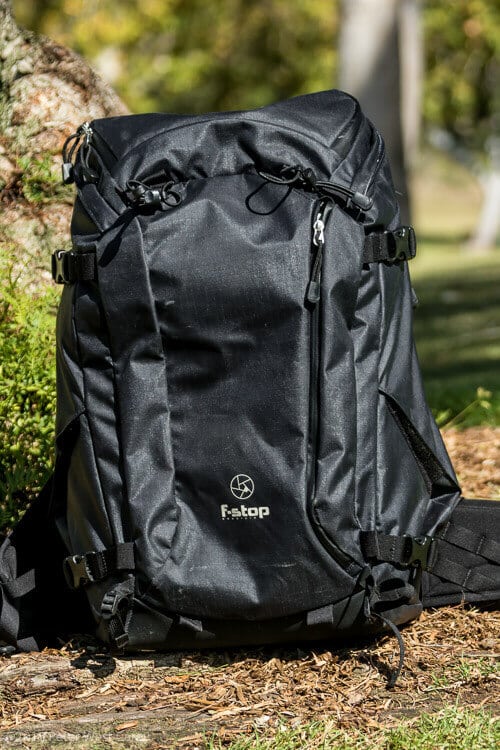
As soon as you have packed your non-essential items into your bug-out bag, you may begin packing your food, cooking supplies, and water.
These products don’t take up a lot of room in your home.
They must be put in a convenient location where you can quickly access them.
Water, food, shelter, and fire-starting supplies are among the most critical needs.
The bag’s apron is made of leather.
Your emergency things are those items that you need to be able to access at any time without hesitation.
You should keep them close to your person or in easily accessible areas of your luggage.
The advantage of this is that if you need your flashlight, you won’t have to dig around in your bug out bag.
You should be able to unzip the top box and locate your flashlight with relative simplicity.
Emergency supplies include:
- flashlights
- self-defense equipment
- communication equipment such as phones, radios, whistles, or walkie talkies
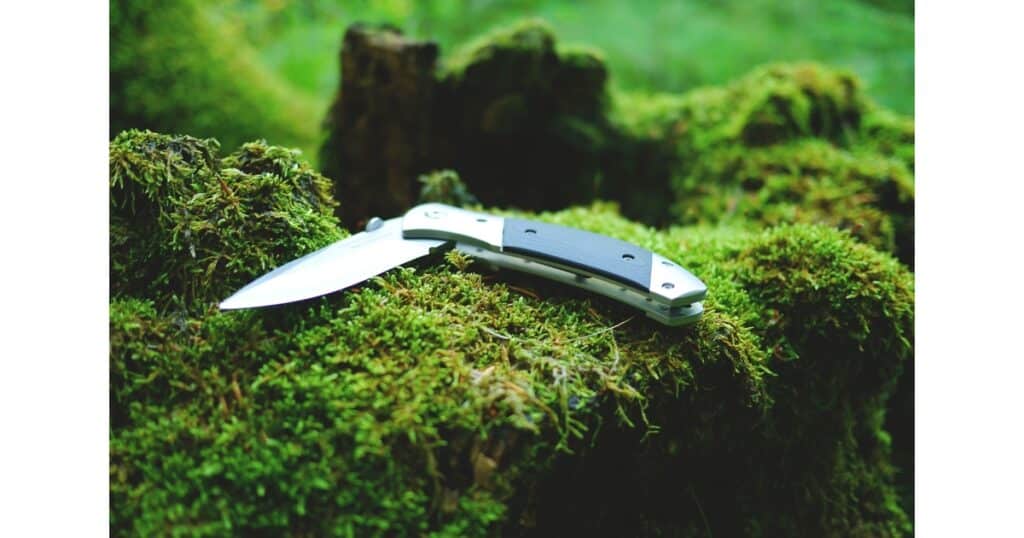
- foul weather clothes, personal tools such as a survival knife
The second approach to load your suitcase is to think about how much weight you need.
Make sure that while you’re packing your bug out bag, you don’t put yourself in a position where you’ll have to retain your posture while carrying it.
The last thing you need is a bag that causes you to lose your balance and puts all of the strain on your back and shoulders.
This might cause you to lose your speed, create back pain, or even cause damage.
In order to avoid back pain, it is preferable to place the heaviest containers closest to your spine, as we previously said.
The Top of the Bag
Additionally, keep the goods you’ll need access to the most frequently in the top compartment.
Bug-out bag preparation might seem like a difficult process.
But by following the guidelines provided above, you can prepare your bag in an organized manner.
Then, with your packed backpack in tow, take a walk around the neighborhood to assess its weight and balance.
Feel free to reorganize your schedule and repack your belongings until you discover something that works for you.

Originally posted 2021-10-28 10:43:40.