
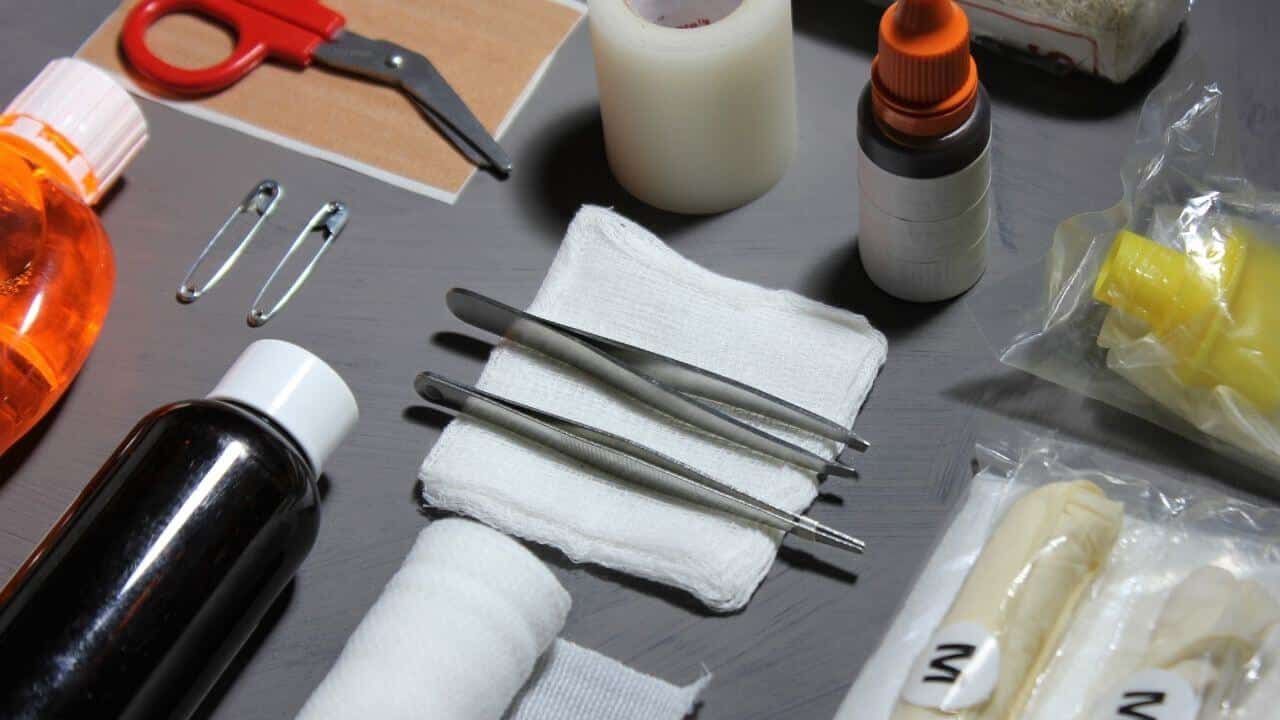
First Aid for Preppers is a massive topic and we will cover as much as we can in this post from the skills you need through to what to include in your first aid kit.
- Stop Bleeding
- Wound Care
- Heimlich Manoeuvre
- Thermoregulation
- Books
- Videos on the web
- Websites
- 1. Dressings and bandages
- 2. Latex gloves
- 3. Scissors and tweezers
- 4. Adhesive tape
- 5. Razor blades
- 6. Eye wash and patch
- 7. Brittle candy
- 8. Burn cream, antiseptic cream, and insect repellent
- 9. Sterile water and alcohol wipes
- 10. Thermometer and nail clipper
- 11. Pain relievers and over-the-counter drugs
- 12. Tourniquet
- 13 Prescription medicine
- 14 Sanitized napkins
Giving first aid is more than just bandaging a tiny cut or cleaning a skinned knee.
Basic first aid skills may save lives.
Learn 5 essential first aid skills every survivalist should know.
They’re crucial.
Find a reputable first aid training center near you.
You could even become certified… Now let’s look at the five skills:
CPR
It’s perhaps the world’s most renowned first aid method.
You’ve seen it in movies when the hero inhales into the victim’s mouth and pumps their chest till they cough and resurrect.
The renowned life kiss.
So, do you know how to do it?
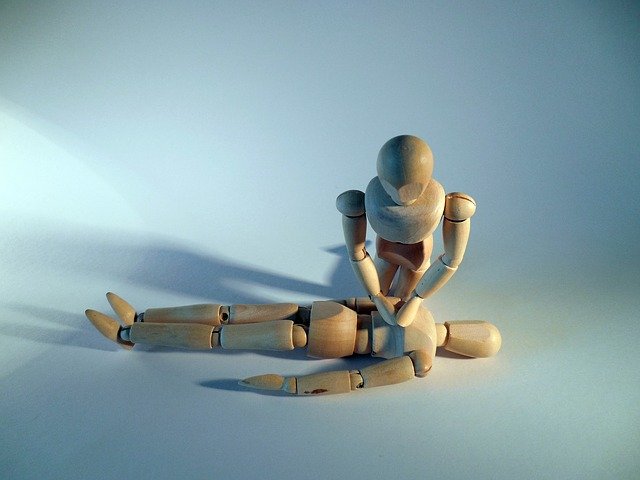
First, clean their airway.
This includes time, placement of hands on chest, and pressing technique.
You’ll need to know how to close their mouth and inhale air.
That’s a lot of information to digest, so learn it from an expert.
You must know CPR to save a life.
Stop Bleeding
You must know how to coagulate wounds with direct pressure.
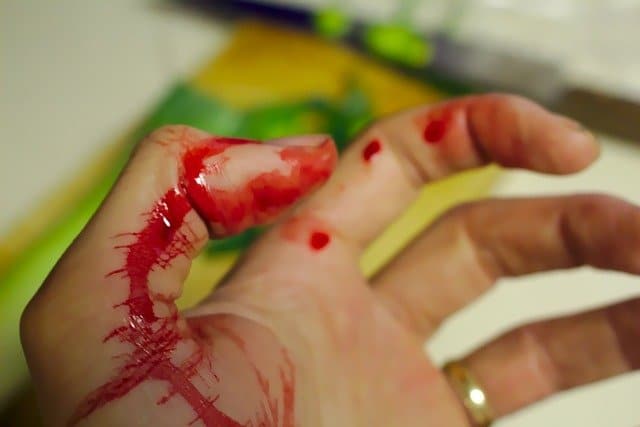
Your response will depend on the sort of bleeding you witness.
For arterial bleeding, you must apply constant, forceful pressure on the wound to get the blood to clot.
So be patient.
Wound Care
The bleeding must be stopped.
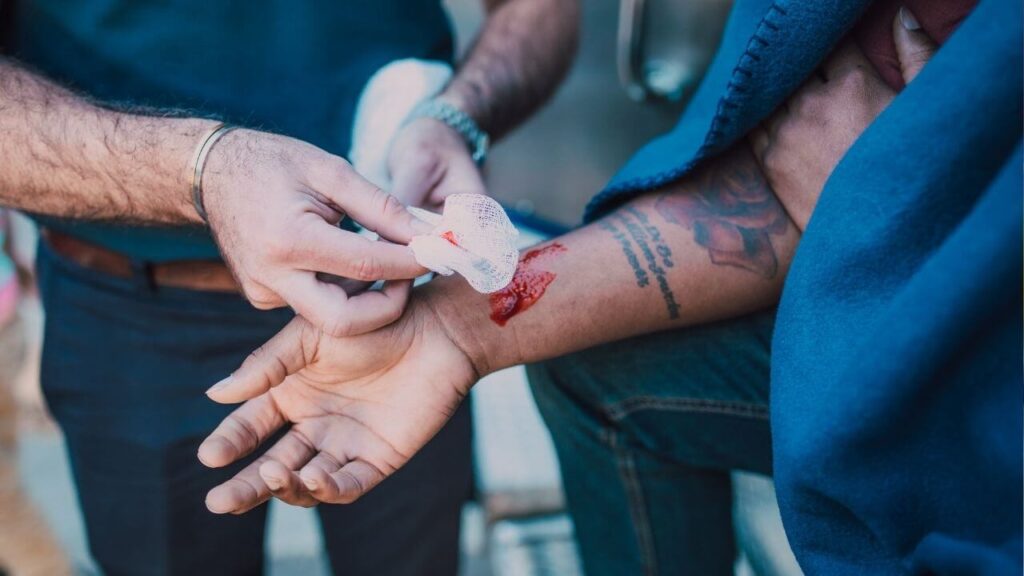
You must also know how to clean and treat the wound using gauze and adhesive tape.
Keep the wound clean and dry so it can recover.
Heimlich Manoeuvre
Very handy if someone is choking.
Then, from behind, ball one fist up and draw your arms towards you in an upward motion.
This will drive air up the esophagus and push out any obstructions.
Thermoregulation
Hypothermia may occur if someone is wet and chilly after being trapped in a flood.
This may happen if you’re bugging out in a chilly area with inadequate clothing.
While prevention is ideal, knowing what to do in case of hypothermia is critical.
Dry the victim and transport them to a warmer environment where they may gradually grow acclimated to the heat. NONAKE a hot shower.
Never move a person with hypothermia. Warm them up where they are.
Learn them properly and you’ll be ready for any medical emergency.
Which brings us nicely onto…
Getting First Aid Skills
Everyone may benefit from first aid training.

There is no difference whether you consider yourself a survivalist or not.
In the event of an emergency, having a rudimentary understanding of first aid might be invaluable.
You can do the Heimlich technique on someone who is choking instantly.
Your ability to perform cardiopulmonary resuscitation (CPR) on someone who has stopped breathing might be the difference between life and death.
The victim will greatly benefit from your abilities.
In reality, many individuals are interested in first aid, but many are terrified by the process.
Everything seems to be so convoluted.
They believe that in order to do it properly, they must be a doctor or a nurse.
If you know what you’re doing, anybody can learn first aid and perform a decent job.
It’s a quick fix to save a person’s life until they can obtain medical attention.
When it comes to first aid training, where should I go to learn?
Books
To begin, pick up a book on basic first aid and go through it thoroughly.
“First Aid Manual: The Authorized Manual of St. John Ambulance, St. Andrews Ambulance Association, and the British Red Cross” by St. John Ambulance is one of the greatest publications on this subject.
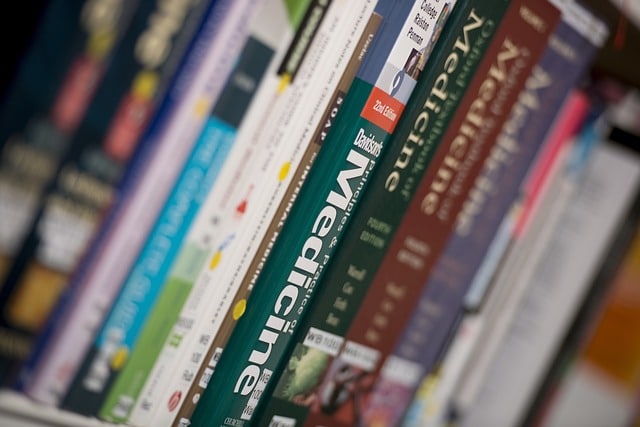
This book contains a wealth of first aid advice and practices to help you learn the fundamentals.
Much of first aid is really common sense combined with the right techniques.
Using direct pressure to halt a wound’s bleeding is one example.
Additional information on the kinds of bleeding and what to anticipate may be found in a first aid guidebook.
Videos on the web
In the event that you can’t locate any first aid programs in your area, you may always turn to YouTube to learn the various first aid techniques.
Astonishingly, you can learn a lot.
Websites
Finally, you have nothing left to lose.
First aid information may be found on a variety of websites.
It’s possible to discover contradictory information on the internet if you search for it.
You may also find yourself feeling overwhelmed and apprehensive.
Since authoritative guides are the finest, it’s important to rely on them wherever possible.
For survivalists, these are your greatest alternatives for learning first aid skills.
To perform skills, you need a first aid kit ready.
Preppers’ First Aid Kit Checklist
When preparing for a future catastrophe, it’s typical for a prepper to prioritize water storage and food.

Preppers often concentrate on purchasing devices and items that will aid them.
Multi-tools, hurricane lamps, and water purification tablets are also required.
Aside from water storage, one of the most critical components you must consider is a first aid kit.
There is always the possibility that someone in your household, or perhaps you, may be hurt unexpectedly.
This may occur at any moment.
Medical crises don’t only happen in times of distress.
It is critical to have a decent first aid kit at home.
This article will provide you with a list of goods to acquire and add to your first aid kit.
As you get more prepared, you may add additional supplies as needed.
1. Dressings and bandages
These will be used to heal open wounds or to build a sling if you have a fracture.
2. Latex gloves
If you’re treating a casualty, you must wear these.
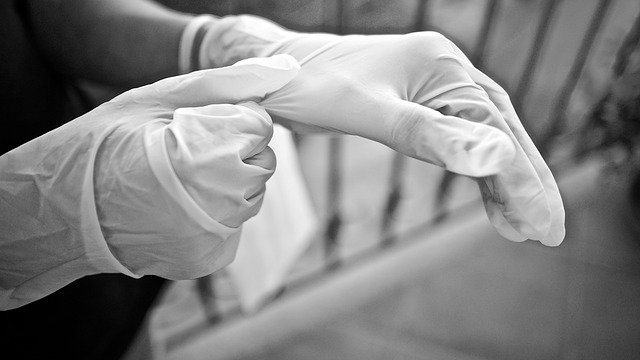
You don’t want to infect their wound or come into contact with their body fluids.
3. Scissors and tweezers
The dressing and adhesive tape will be trimmed with scissors as needed.
The tweezer will come in handy for extracting splinters and other foreign debris from a wound.
4. Adhesive tape
You’ll need the sort of tape that’s used in hospitals.
These are used to keep the dressing in place on the skin.
5. Razor blades
If there is hair surrounding the area you are attempting to seal with the dressing, the tape may not adhere.

Shave the hair around the region where you’re applying the dressing with the razor.
6. Eye wash and patch
If someone has dust or foreign stuff in their eye, this is quite beneficial.
If they suffer an injury near their eye, you may treat it and have them wear the eye patch for added protection.
7. Brittle candy
It may seem to be an unusual thing to have in a first aid box, but the sugar in the candy will assist in dealing with a person who is in shock.
Allow them to suck on the sweets to help them relax.
8. Burn cream, antiseptic cream, and insect repellent
You’re undoubtedly aware of what these three products are used for.
They are vital enough to have in your first-aid kit.
9. Sterile water and alcohol wipes
Small wounds may be disinfected using alcohol wipes.
For bigger lacerations, sterile water may be used to irrigate the wound.
This is an excellent way to keep open wounds from becoming infected.
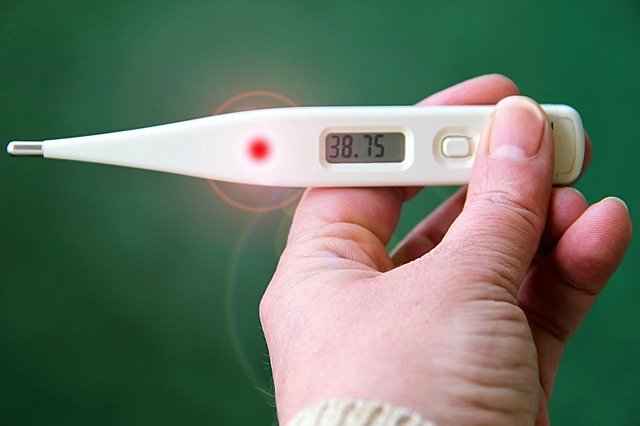
10. Thermometer and nail clipper
One will be used to check your temperature, while the other will assist you in keeping your nails neat and clean.
11. Pain relievers and over-the-counter drugs
In your first aid box, have some pain relievers on hand, such as Ibuprofen or Tylenol.
You may want to provide a bottle of laxative for constipation.
To treat mild food poisoning, you should also have charcoal tablets on hand.
12. Tourniquet
When there are significant injuries and you are unable to stop the bleeding, you must use a tourniquet to tie off the limb in order to keep the victim from bleeding to death.
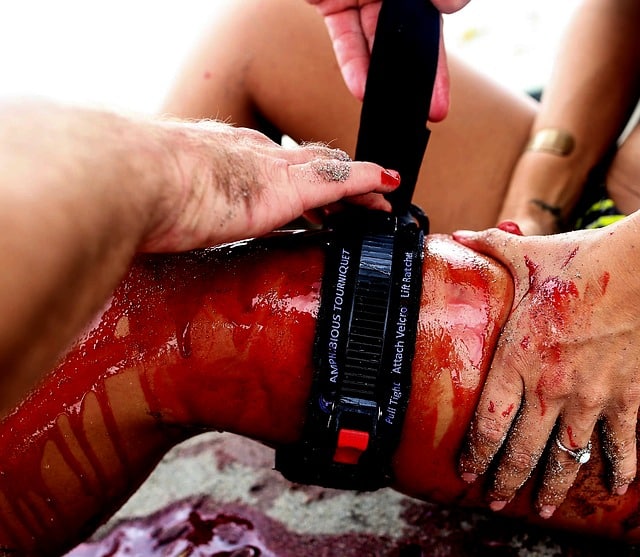
This is an extreme step that should only be used if you have no other option.
13 Prescription medicine
This is prescription medicine that you or a member of your family needs on a regular basis.
14 Sanitized napkins
Aside from their apparent use, they are incredibly beneficial for applying direct pressure to a major incision.
They absorb blood effectively and have a large surface area.
If the cut is deep, a sanitary pad will absorb considerably more than gauze and will perform a lot better job.
Make certain that you only use unscented pads.
These are 14 of the most essential things to have in a first-aid kit.
Final Words
First aid is something that you should take the time to learn.
Just the basics at first.
Then invest in a decently stocked first aid kit.
And you’ll be ready for when SHTF.

Originally posted 2022-03-10 15:41:08.


