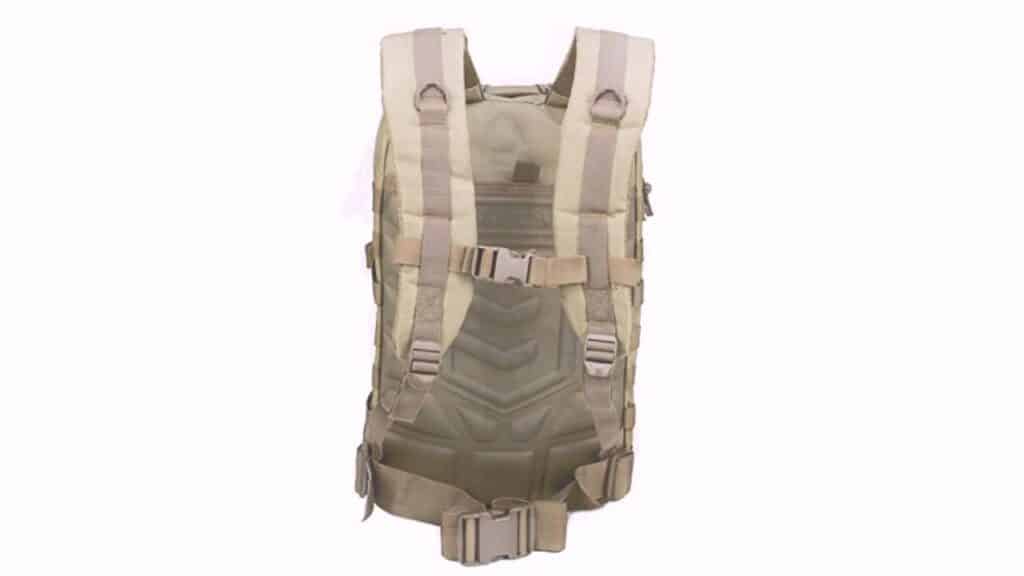
Survival Gear 101: One of the most ‘fun’ parts of prepping is buying survival gear that you might need in a crisis.
This is an activity that many preppers enjoy because everyone loves buying gadgets and cool stuff.
However, very often, preppers buy the wrong items that really serve no purpose other than to make your wallet lighter.
When there’s a crisis like a hurricane and you’re taking shelter at home, the tactical dagger that you bought is not going to be half as helpful as the flashlight when the power goes out.
Knowing what event you’re prepping for will dictate what items you should be buying and packing. You’ll need to give this some thought.
Do you live in an area prone to earthquakes?
Hurricanes?
You should also have a plan.
When you evacuate, will you be driving to another state and staying with friends and family there?
Or are you going to go somewhere near the mountains and camp outdoors?
All these decisions must be made first before you even start buying any survival gear.
In this guide, we’ll look at some of the basic considerations that should factor in your decision-making process.
What’s the Catastrophe?
When it comes to crisis situations like earthquakes and hurricanes, depending on the intensity, you may decide to take cover at home.
Prepping for a hurricane will be different than prepping for a tsunami.

With a hurricane, you might decide to ride it out in your house.
As for a tsunami, evacuation is your best option.
Now you need survival gear that you can carry and go.
Whenever possible, most preppers prefer the stay-at-home option and it does seem more convenient than eking it out in the wild.
However, it presents some challenges too.
Indoor Survival Gear
Very often, when these crises strike, one of the first things to go is your electricity.
Power outages could be due to a variety of reasons.
Whatever the case may be, you want survival gear to help you through this.
-
Generator
One of the best things to have is a generator that you can hook up to provide power for you.

With a generator, you can still keep the lights running and even the refrigerator going.
-
Battery operated devices
You should have torches, a portable radio and a mobile phone that’s fully charged and has a spare battery.
The torches will provide light; the radio will keep you updated on the latest information from the authorities and the mobile phone will allow you to call for help should the need arise.
-
Camping stove
While you may not go camping, you’ll need a stove because when electricity goes down, you’ll not be able to boil water.
It’s best not to turn on the gas in your usual stove at home because you can’t be sure if the structural integrity of your house is compromised and you don’t want to start a gas leak.
Camping stoves that are portable are your best option.
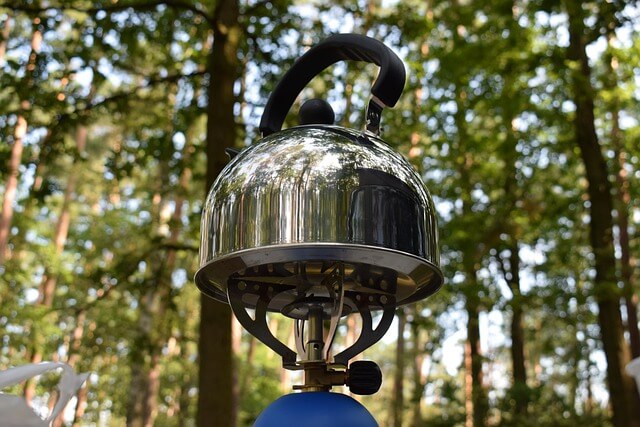
If you can boil water, you can make rice, oatmeal, ramen noodles and many other easy-to-prepare foods.
It’s best to use a mess tin when preparing food on these stoves.
They are lighter and conduct heat better which means that you’ll use less fuel.
Depending on the stove that you’re using, your options for fuel will either be fuel tablets or canisters that contain unleaded gasoline.
It all depends on what your preferences are. What matters is that you have a stove with fuel.
-
First aid kit
Having a well-stocked first aid kit is of paramount importance.
You want your main focus to be on managing wounds because these tend to occur during a crisis.

Make sure your first aid kit has bandages, gauze, a bottle of hydrogen peroxide, sanitary wipes, a tweezer (to pick out any glass or foreign objects in wounds), antiseptic solution and band aids.
These items will be very useful for treating injuries where the casualty is bleeding.
Besides items that treat wounds, you should have aspirin to treat headaches, fevers, etc.
It’s very important to have painkillers in your first aid kit.
Keep some charcoal tablets too.
If anyone experiences indigestion or gastrointestinal issues, these charcoal tablets will be handy.
You might even want to have a bottle of laxative inside your kit.
When you’re surviving on dry food or canned food and not getting enough oil and fiber in your diet, you could become constipated.
The laxatives will help here.
Make sure you also have insect repellant and creams to treat insect bites.
If the area you live in gets flooded, there will be more mosquitoes and insects to deal with.
There are many commercially-sold first aid kits and you might get one of those.
They’re usually well-stocked and depending on your budget, you can either get a simple one or a really good one.
If you decide to pack your own first aid kit, you can just look at the items these pre-packaged kits contain so that you have an idea where to start when packing your own kit.
Another very important consideration to take note of is prescription medication.
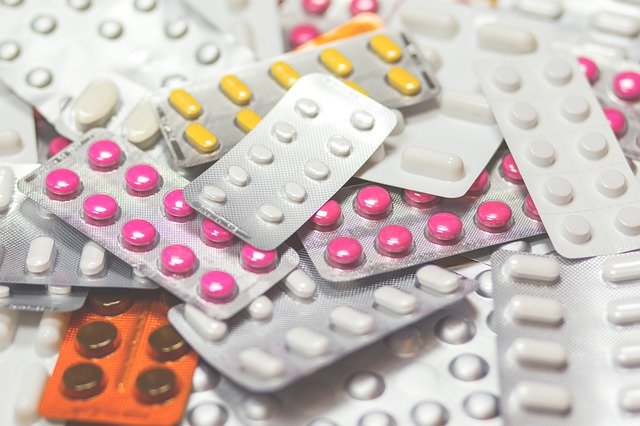
Do you or anyone in your family require medication on a constant basis?
Type 1 diabetes patients require insulin.
Former stroke victims may need blood thinning medication daily. You must have these in your first aid kit too.
Other items you might consider are: medical tapes, eye wash, sterile water for irrigation, allergy tablets, disposable gloves, face masks, etc.
-
Weapons
These are solely for self-defense.
A 12-gauge shotgun or any handgun with decent capacity should be enough to protect you or your family from intruders.
You might also want to have non-lethal weapons like tasers, just to be extra prepared.
The Benefit of Being in Your Own Home
Since you’re indoors, you’ll have access to your own clothing, beds and utensils. You’ll not need to worry too much about those.
It would be a good idea for each member to have a sleeping bag just in case, you need to sleep in another part of the house.
Things get a lot more difficult if you need to evacuate and move elsewhere because of the crisis.
Since this is always a possibility, you need a bug out bag and a plan that you can act upon.
Outdoor Survival Gear
When packing gear to survive outdoors, you should focus on your most important needs first. These are what they are:
- Water
- Shelter
- Food
- Clothing
- Communication/Signaling
- Self-Defense
Based on these needs, you’ll need to pack your bug out bag accordingly.
As a prepper, your bug out bag needs to be all packed and ready to go at a moment’s notice.
In a crisis, time is not your friend.
So, even if you plan on taking cover at home, you still must have it all ready just in case you immediately need to leave.
You’ll only need to grab your bag and go.
Ensure that every member in the family has their own bug out bag.
Bug Out Bags
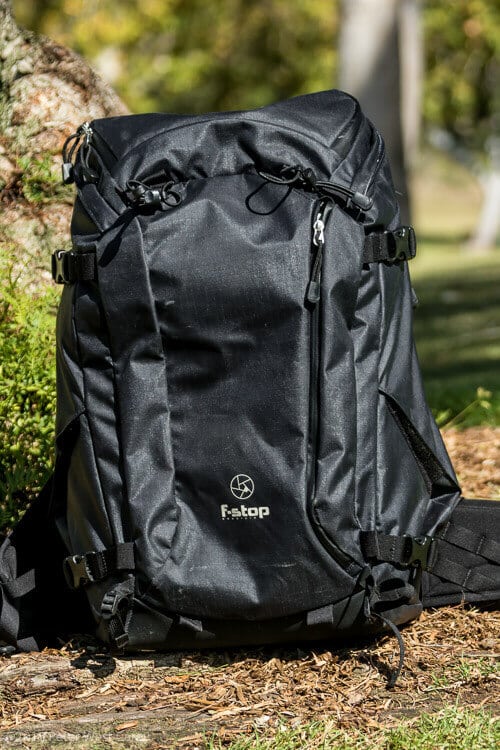
The bag you use to pack your items needs to be strong and sturdy.

Don’t try to use a child’s school bag to pack your survival gear.
You’ll need to buy a bag with strong seams and one that’s designed to withstand the rigors of the wilderness environment.
Even if your plan is to drive to another state, always get a bag that can handle an outdoor environment.
Cars can break down.
You can end up stranded if roads are unpassable.
You could run out of fuel which forces you to camp outside for the night.
Life is even more unpredictable during a crisis.
The bag you get should be water resistant with enough capacity to hold all the items you need.
Your means of transportation will also determine how much you pack.
If you’re driving, you can really pack your bag full because you only need to carry it short distances.
However, if you’re walking, the weight of the bag can really drag you down and feel torturous to carry.
It’s a good idea to pack and test the weight of your bag to see if you can handle it.
This should be done well in advance so that you don’t suffer on the actual day.
Shelter
Unlike staying home, outdoor survival requires you to have tents or other forms of shelter that you can set up.
They should be big enough for the whole family or you could bring two tents.

It would be a good idea to check the weight of the collapsible tent before purchasing one.
It should be made of strong material and yet, it needs to be light enough to not be cumbersome.
Do practice setting up the tent at home so you know how to go about it.
When you’re outdoors, you’ll be able to set it up quickly without referring to instructions or spending time figuring out which part goes where.
Water
This is your MOST important item.
You must ensure that you have enough water for everyone in your family.

You can store the water in bottles or Camelbak pouches.
Whatever option you choose, just make sure you have enough water.
The problem here is that water is heavy, and many people underestimate just how much they need.
Make sure you’re carrying enough water to last you through your journey
Some preppers go the extra mile and place three jerrycans filled with water inside their vehicle.
Since each one hold about 20 liters, they have 60 liters of water which can last for quite a while.
It would be a good idea to have water purification tablets or water purification bottles so that you can drink water from lakes or other places safely.
The pathogens, viruses and other matter will be automatically removed from the water when it passes through the filter in the bottle.
Look for brands like Fixt Water or Drinksafe Travel Tap and get one bottle for each family member too.
If you decide to camp out near a lake, you’ll have drinking water as long as you have these water purification bottles.
Food
The same applies here as it would if you were staying indoors.
Ideally, you want the food you pack to be lightweight and still fill you up.
Ramen noodles, oatmeal, pasta, etc. are light and can be filling.
Canned food can get heavy so pack what you can.

If your goal is to get to another urban area, you can sustain yourself on carbs for about several days till you get to your destination.
However, if you’re staying in the wild, you’ll need to pack protein foods like spam, beans, tuna, etc. Make sure you pack a can opener.
Fire
You may need to make a fire to stay warm outdoors or have something to cook over.
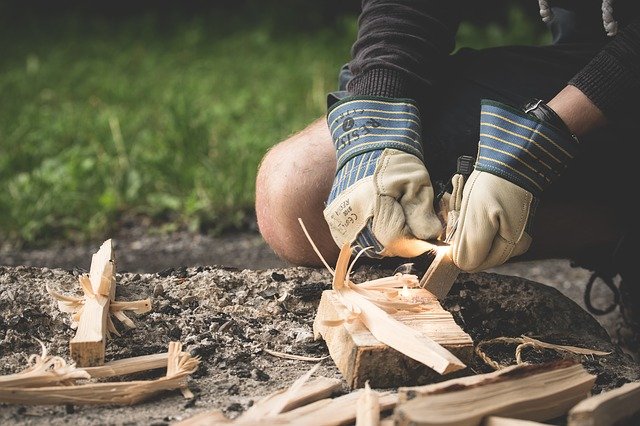
You should have waterproof matches or a fire-starting kit in your bug out bag.
Other Considerations…
A lot of the same things such as:
- communication equipment (mobile phones, etc.)
- batteries
- portable radio
- clothing,
- first aid kits
- flashlights
- firearms and tools which you would have kept ready at home also need to be brought with you when you evacuate.
Your first aid kit will need to be even more comprehensive because living outdoors is more challenging.
Depending on your climate, you might need extra clothing to stay warm.
You’ll also need hats and ponchos to provide protection against sun and rain.
You should also have multi-purpose tools like Swiss army knives, survival knives, a pocket chainsaw, paracord and other useful outdoor equipment.
 OS BackuposbackupIf you know how to fish, a fishing pole and bait will help too.
Other equipment to think about:
- Sunglasses
- Signal flares
- Maps
- Compass
- Writing instruments
- Binoculars
- Bear spray
Survival Gear 101: Final Words
At the end of the day, once you’ve packed the most important gear that you think you’ll need and can still handle carrying the weight, you can add the little extras that will make your life easier.
Plan well ahead of time and gradually get all the items you need to stay safe and ready.
There’s a quote that states,
“It’s always better to prep 10 years too early rather than 10 minutes too late.”
These are words to remember.

Originally posted 2022-03-18 09:13:47.