As a prepper, finding foods you can grow in buckets is vital as gardening the traditional way can be quite difficult.
There is so much to remember plus, not all plants can survive in the same soil.
Or they all cannot handle the same fertilizers.
But there is a good solution for those who want to grow their own vegetables and fruits.
It is called bucket gardening and there are at least 60 different fruits, vegetables, and spices you can grow in a bucket.

The good news is that buckets do not take up a lot of space.
The following list is only meant to give you a good start on what items you should grow in your bucket garden.
They will come in handy when the stores run out.
The Benefits of Having a Bucket Garden
There are quite a few benefits that come with this non-traditional gardening technique.
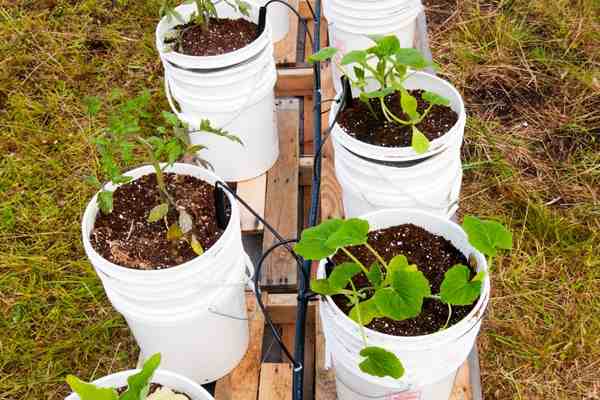
One is that you only need to grow enough for your family at one time.
Of course, you can grow more and share but in desperate times you need to be careful who you share your bounty with.
Here are some benefits:
- Can be grown on an apartment patio or balcony
- Can be grown when you live in a tiny or small house and you do not have a large yard
- Can grow a larger variety of plants, fruits, & vegetables.
- Can customize the soil and bucket to meet the growing needs of those plants
- Very little weeding, if any, is involved
- Fewer pests to contend with and easier to protect your plants from those pests.
- Can start with easy-to-grow plants and then work your way up to more difficult ones to grow in a bucket
- Easier to meet your family’s nutritional needs as you do not have to pay high grocery prices.
Fruits, Vegetables, and Spices You Can Grow in a Bucket
What you grow will be up to your and your family’s tastes and preferences.
But you have a large number of these plant varieties to choose from to make sure your family stays interested in eating them.
Here are some foods you can grow in buckets.
Easy to Grow
#1. Arugula
This is one of those plants you can grow indoors if you lack space.
It needs a cool but sunny spot in your home.
But it is easy to grow and its leaves are good tasting as well as spicy.
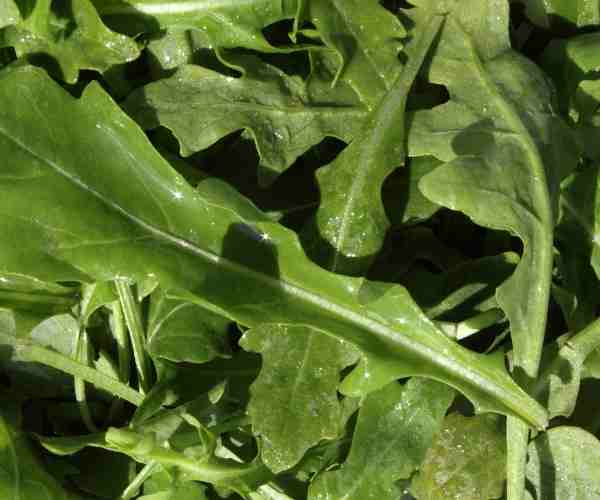
This plant is part of the mustard family.
#2. Kale
A good replacement for spinach when your kids do not like the taste of that vegetable.
What makes it easy to grow is that all you need from this plant are its leaves.
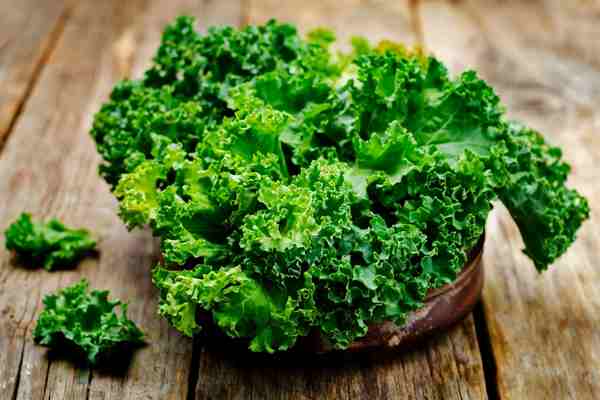
You can get a lot of nutrients from those leaves.
Kale can be grown all year round.
#3. Lettuce
A very easy-to-grow vegetable and it can be planted with slower growing plants.
Plus, you do not need large containers, this vegetable can grow in shallow ones.
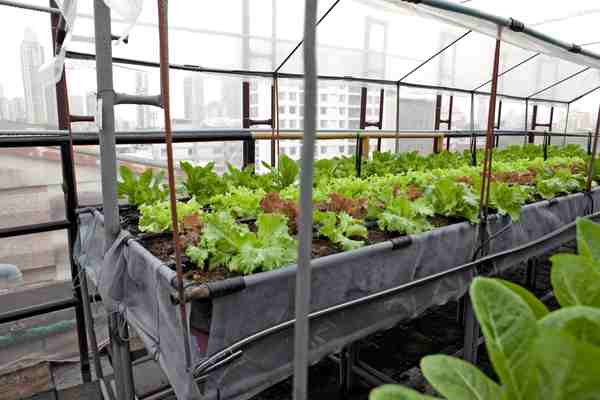
If you do not have a lot of floor space, put them on a shelf somewhere.
#4. Peppers
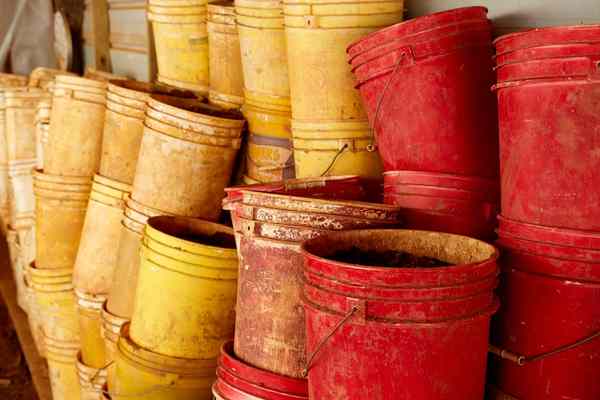
This is a shallow root plant that can easily be grown in 5-gallon buckets.
They are very easy to grow and they come in different varieties.
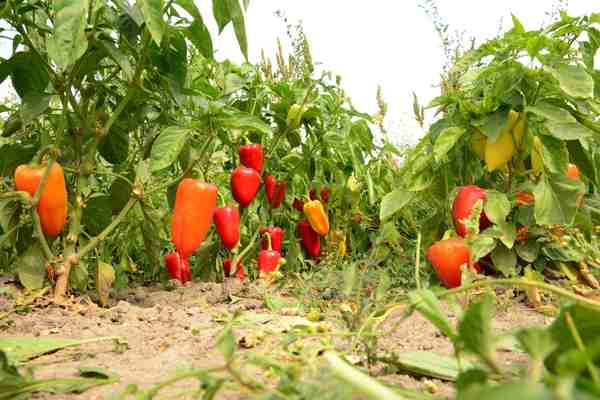
However, the variety of pepper you pick will dictate the amount of space you need to grow them.
A 5-gallon bucket should be large enough for all varieties.
Moderately Easy to Grow
#1. Beets
Are not always a family favorite but they are fairly easy to grow.
You just have to make the bucket deep enough and give them enough water to be a success at this option.

There are albino and yellow beets if you do not want to grow the red variety.
#2. Broccoli
A very good vegetable that is said to help keep cancer away.
This is a vegetable plant that needs a deep soil base to grow well.

A 5-gallon bucket should be sufficient and the two kinds to grow are the DeCicco and green comet broccoli.
#3. Carrots
This is a very versatile vegetable plant.
You can pick the container to fit the size of the root length to grow them in.
This helps you plan out your bucket garden so there is enough space for everything you decide to grow.
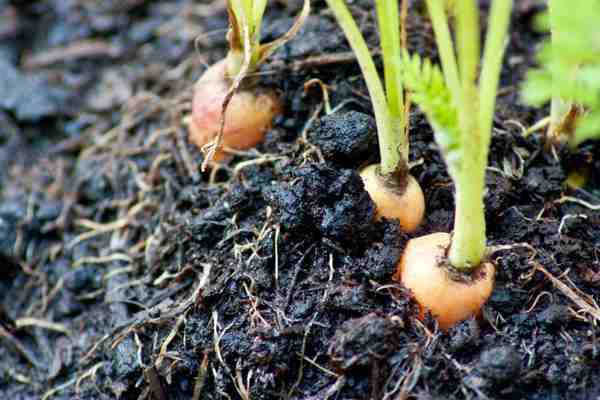
The heritage carrot is sweeter and smaller so your kids may love these carrots.
#4. Onions
While bucket gardening with this vegetable is rated as moderately easy, the problem comes in with having the space to grow enough onions.

Buckets may not produce enough onions to make them worth growing.
You will need more than one bucket of onions if you go with is route.
#5. Radishes
They grow quickly and you should get more than enough in one crop to fulfill your salad needs.
If you go with the short seasons’ varieties you should be able to have a lot of radishes before the summer heat comes.
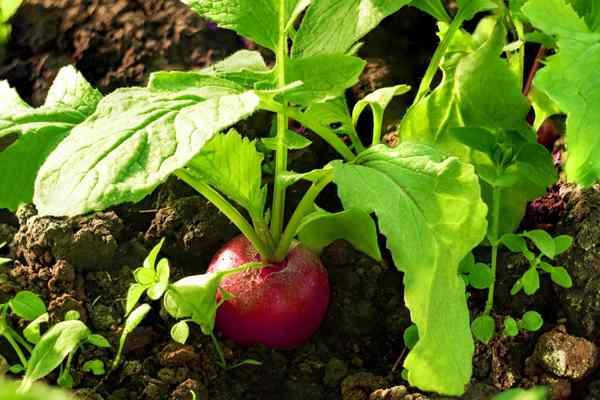
French Breakfast and Easter Egg are two highly recommended options to grow.
Honorable mentions
Figs.
These grow larger and better when their roots are restricted.
However, this is an acquired taste and not everyone will like them.
Moderately Difficult
#1. Beans
The bush bean varieties are best for bucket gardens.
They do not grow very tall but still produce enough beans for you and your family.
If you want to try the bean pole types make sure to have the space to handle the poles, etc.
#2. Cucumbers
This is the same story as the beans.
Most cucumbers grow on a vine and like to climb.
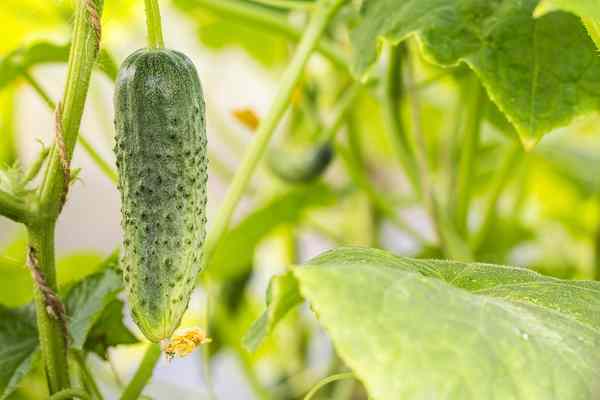
But you can find this vegetable in a bush variety if you do not want to climb up and pick the vegetable.
Make your selection in conjunction with the amount of space you have to work with.
#3. Tomatoes
They love containers and can grow quite well in one.
They also produce a lot of fruit and one of the best options would be cherry tomatoes.

In addition, cherry tomatoes also ripen faster than larger tomatoes.
But if you are patient, you should get a lot of larger tomatoes in due time.
#4. Peas
This vegetable prefers cooler weather to ripen so plan your planting well.
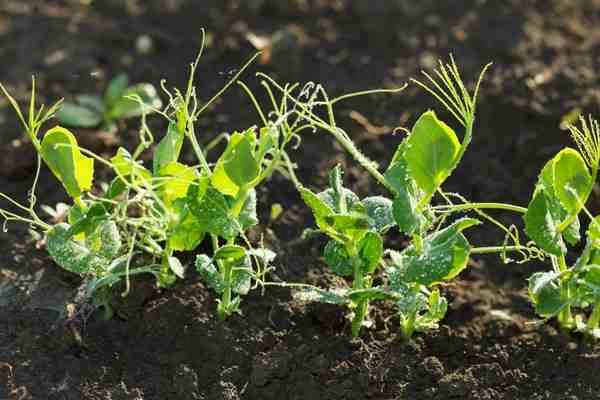
Pod peas are the best variety to grow and you can always use the leaves in a salad or when you just need to eat greens.
Honorable mentions
Squash and eggplants are also two vegetables you can grow.
However, they love the vine and those vines grow quite quickly.
They also need lots of room to roam.
The squash family includes summer squash and zucchini.
Pumpkin is included here as well.
Difficult to Grow
#1. Blueberries
A super fruit that is very healthy for you.
However, it is a little diva as it requires acidic soil, lots of sunlight, and plenty of water.
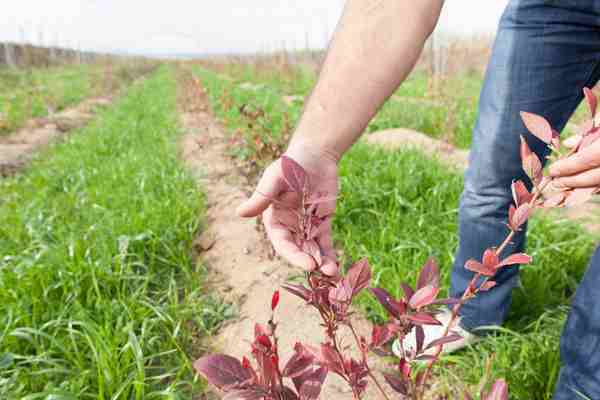
Other than that they grow well in buckets.
If you do not have a lot of space for bucket plants, this might be one to leave off your growing list.
#2. Cherries
This tree has a short root system which makes them an ice candidate for bucket gardens.
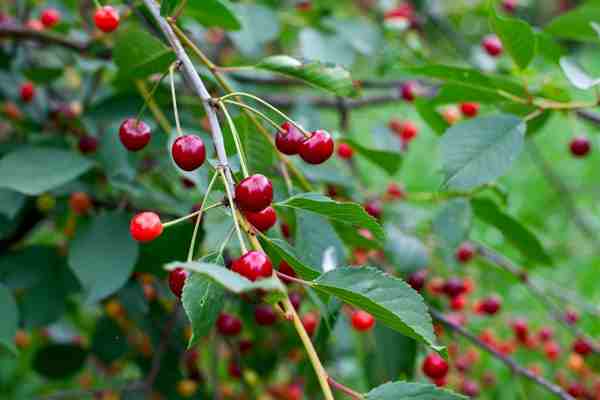
The sweet version loves the sun but the sour varieties prefer the shade.
Pick the type your family enjoys the most and these are great for canning if you grow too many.
#3. Lemons
Or you can choose kumquats or mini oranges.
No matter which fruit you pick, grow them indoors if you live in a colder region of the country.

The Meyer lemon variety is the one to pick when using buckets.
#4. Potatoes
This vegetable would be better to grow in a potato bag.
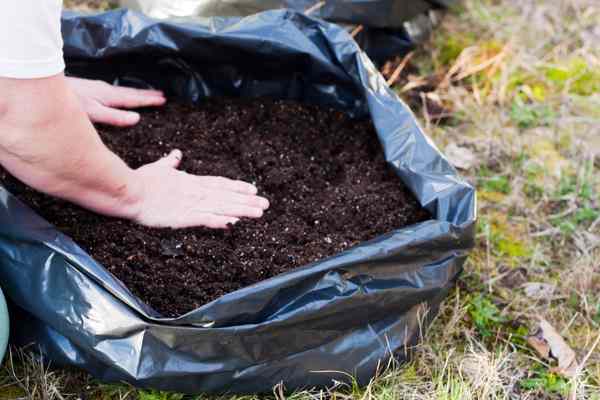
Buckets will work but they do not provide enough space for you to grow a lot of potatoes.
Just plant a potato that has started to sprout and you are on your way to homegrown potatoes for supper.
Honorable mentions
Melons are tough to grow in a bucket as they have a large root system.
However, mini watermelons or cantaloupes may work for your bucket garden.
Then the summer raspberry is best as they do not grow that large and are not very bushy.
There is a fall ripening raspberry you can grow if you have the space.
Or you can grow both if you love this fruit.
Finally, strawberries as there is an ever-bearing version that lets you have strawberries all year round.
This plant usually lasts for about 3 to 4 years then you have to replace them with new ones.
Some Final Words
So, now you know what foods you can grow in buckets.
Learning to grow these different plants takes a little time.
But now is the time to start learning so you are prepared for difficult times that may come.
There are other smaller spices you can grow in small pots as well.
Each plant will have its own favorite conditions so make sure you do not confuse the plant’s requirements or you may have to start all over again.
A bucket garden is a great way to cut down on your food bill each week.
Plus, it is a great hobby that should help you overcome stress and so on.

Originally posted 2022-11-04 09:25:24.