There are several common plants for healing wounds that you should be aware of.
Small wounds can quickly get infections that can kill you, so it’s important to know how to clean and heal them quickly in today’s dangerous world.
There are many common plants for healing wounds you can find in the wild or grow yourself.
In this article, we will cover some of the most common plants for healing wounds.
Pay attention to the data on how effective and safe each plant is.

Avoid using herbs on newborns, young children, and pregnant/nursing mothers.
It’s not worth the risk to try most herbs on weak individuals since they haven’t been tried.
And as a prepper, knowledge of common plants for healing wounds will stand you in good stead should SHTF.
Common Plants for Healing Wounds
Aloe Vera
Aloe vera is a succulent plant that is often used for its healing properties.
The gel from the plant’s leaves can be applied to minor cuts and burns to help soothe the skin and promote healing.

The plant contains a number of compounds that are beneficial for the skin, including vitamins A, C, and E.
Aloe Vera has the immune boosting minerals selenium and zinc which aid healing (1).
Additionally, aloe vera gel is a natural source of proteolytic enzymes, which help to break down dead skin cells.
For these reasons, aloe vera has been shown to speed up the healing process and reduce scarring (2).
When applied to a wound, aloe vera gel should be allowed to dry before covering with a bandage.
Calendula
Calendula is a plant in the daisy family that has been used for centuries to heal wounds.
The flower petals and leaves of the calendula plant contain:
- flavonoids
- triterpenes
- and other compounds that have anti-inflammatory, antiviral, and antibacterial properties.
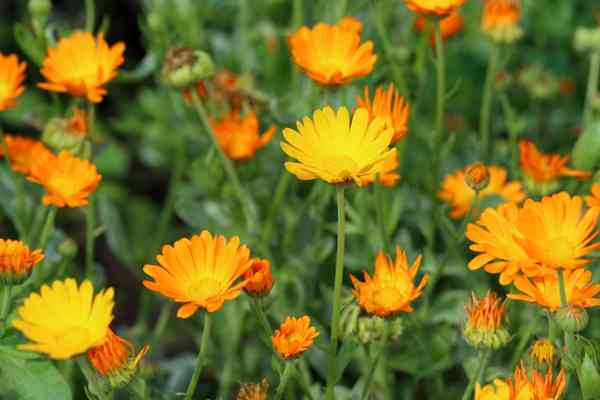
Calendula has been shown to speed up the healing process by promoting the growth of new tissue and preventing the formation of scar tissue.
It can also help to reduce pain and swelling, and it has been used to treat a variety of wounds, including cuts, scrapes, burns, and bruises.
While calendula is generally considered safe, it is important to consult with a healthcare provider before using it on an open wound (3).
Chamomile
This is a daisy-like plant that has been used medicinally for centuries.
Chamomile tea is commonly drunk to help with stomach issues.

But it contains compounds that have antibacterial and anti-inflammatory properties, which can help to cleanse the wound and reduce swelling.
In addition, chamomile has even been shown to be more effective than some medications in healing wounds (4).
To use chamomile for wound healing, simply apply a cooled chamomile teabag to the affected area.
Repeat this process 3-4 times per day until the wound has healed.
Echinacea
The echinacea plant has been used for centuries as a natural remedy for a variety of ailments, including colds, flu, and other infections.
More recently, echinacea has been shown to have wound-healing properties as well.

It does this by stimulating the production of new cells and of collagen, a protein that helps to bind tissues together (5).
This study was done in mice but it is expect that it will have the same effect in humans.
Eucalyptus
Eucalyptus has long been used as a natural remedy for a variety of ailments, including colds, fevers, and muscle aches.
More recently, eucalyptus has also been shown to be an effective treatment for wounds.

The leaves of the eucalyptus tree contain high levels of tannins, which are known to have anti-inflammatory, antiseptic and antibacterial properties (6).
When applied to a wound, tannins help to reduce swelling and redness, while also preventing infection.
In addition, eucalyptus contains compounds that stimulate the production of collagen, which is essential for wound healing (7).
For these reasons, eucalyptus is an excellent natural option for treating wounds.
Lavender
Lavender is a fragrant herb with antibacterial and antioxidant properties.
The oil can be applied topically to minor cuts and scrapes.
Lavender is a popular essential oil that has a wide range of uses, including promoting relaxation and easing stress.
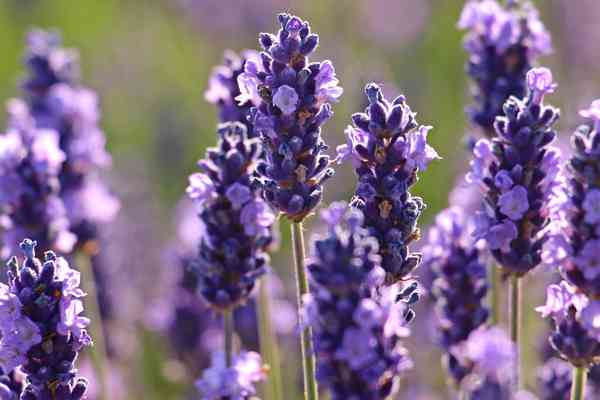
However, it is also beneficial for wound healing, speeding up the healing process (8) and reducing scarring.
Wounds treated with lavender heal faster and have less inflammation than untreated wounds (9).
Additionally, there is some evidence that lavender may help to kill bacteria, making it a potential treatment for skin infections (10).
Lavender appears to be a promising natural remedy for wound healing.
Nettles
Nettles have been used for centuries as a medicinal herb.
In recent years, scientific studies have begun to confirm the efficacy of nettles for a variety of conditions, including wound healing.
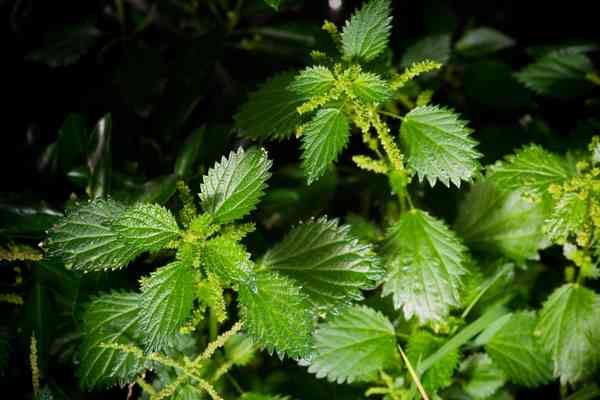
Nettles contain a number of compounds that are thought to reduce inflammation and promote healing, including histamine, serotonin, and acetylcholine.
In addition, nettles are rich in vitamins A and C, which are important for tissue regeneration (11).
Studies have shown that nettle extract can accelerate the healing of wounds, and are also particularly effective for treating wounds caused by burns (12).
Tea tree oil
This is an essential oil with potent antibacterial and anti-inflammatory properties.
Tea tree oil has been used for centuries for its medicinal properties.
Recent studies have shown that tea tree oil can be an effective treatment for wounds and skin infections.
The oil has antibacterial, antifungal, and antiviral properties, which make it an ideal choice for treating minor open wounds.

Tea tree oil is also effective in promoting the healing of burns, cuts, and scrapes.
In addition, the oil helps to reduce swelling and inflammation (13).
To use tea tree oil for wound healing, simply apply a few drops of tea tree oil, diluted in a carrier oil, to the affected area.
Repeat this process several times a day until the wound has healed.
For best results, look for a product that is 100% pure tea tree oil but do not use the undiluted oil directly on wounds.
Rosemary
Rosemary has been used for centuries as a healing herb.
The leaves of the rosemary plant contain volatile oils that have been shown to have antimicrobial and anti-inflammatory properties.
When applied to open wounds, these oils can help speed up the healing process by preventing infection and reducing inflammation (14).
Rosemary can be used fresh or dried, and is often added to ointments, salves, and liniments.

Steep it in in hot water to make a tea.
You should then apply it to the skin as a compress to promote healing and prevent infection.
Witch hazel
Witch hazel is a plant that has been used for centuries for its healing properties.
The leaves and bark of the plant contain tannins.
These are compounds that have astringent and anti-inflammatory properties.
Witch hazel is in many over-the-counter products, such as ointments, creams, and gels.
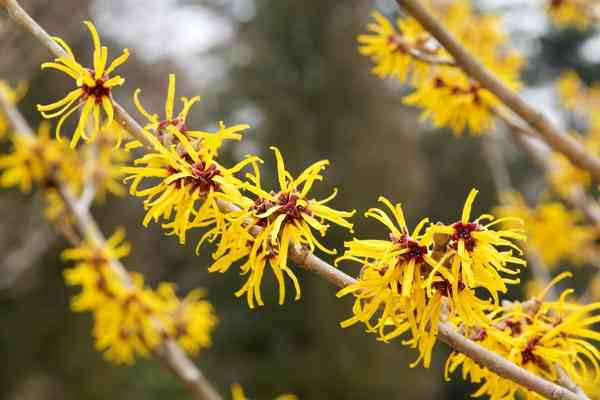
It is commonly used to treat minor cuts and scrapes, as well as to reduce swelling and bruising (15).
The tannins in witch hazel help to shrink blood vessels, which can provide relief from pain and itching.
When applied topically, witch hazel can help to promote healing and improve overall skin health.
On top of that witch hazel can reduce the pain and inflammation associated with haemorrhoids (16).
Final Words
There are a lot of other herbs and plants that help wounds heal.
Nature has given us a lot of things to use.
We talked about some of the most common plants for healing.
You’ve probably heard of most of them.
There are others, though.
If you know about these herbs and how to prepare them, you will have the upper hand and have a better chance of staying alive in an emergency.

Originally posted 2022-12-19 08:48:29.