Stockpiling firewood for free is a nifty, money-saving trick that’ll keep you toasty throughout those cold winter months.
With a dash of cleverness, some elbow grease, and a pinch of ingenuity, you can tap into a plethora of sources to fill your woodpile without spending a penny.
In this article, we’ll guide you through the most effective ways to gather firewood for free, share some personal experiences, and answer common questions about the process.
Let’s get fired up!
Sourcing Free Firewood
Scavenging and Salvaging Adventures
Be a wood detective and search for opportunities to collect firewood from surprising sources.
Fallen branches, construction debris, and even discarded furniture can be gold mines for the wood sleuth.
I’ve found some of my best firewood during my scavenger hunts!
Here are a few tips:
- Trailblazing: While out hiking or strolling in the woods, keep your eyes peeled for fallen branches and trees. With the landowner’s permission, you can gather these treasures and take ’em home.
- Construction capers: Scope out local construction or demolition sites for discarded wood. Just remember to ask for permission and make sure the wood is untreated and safe to burn.
- Neighborhood wood exchange: Offer to help neighbors with yard work or tree trimming in exchange for the wood. Not only are you stockpiling firewood for free, but you’re also making friends in the process.
Community Connections and Firewood Swaps
Connecting with your local community can open up a world of free firewood possibilities.
Here’s how I’ve done it:
- Online classifieds: I’ve hit the jackpot on websites like Craigslist or Facebook Marketplace, where people offer free firewood or wood scraps. Sometimes, they’ll even drop it off at your doorstep!
- Local tree services: I’ve contacted tree services or arborists in my area and scored wood from their tree removal jobs. They were happy to give it to me for free since I picked it up.
- Utility companies: I’ve also called my local utility company to see if they had any wood available from tree trimming near power lines. It’s worth a shot!
Preparing and Storing Your Free Firewood
Cutting and Splitting Shenanigans
Once you’ve nabbed your wood source, it’s time to cut and split it for storage.
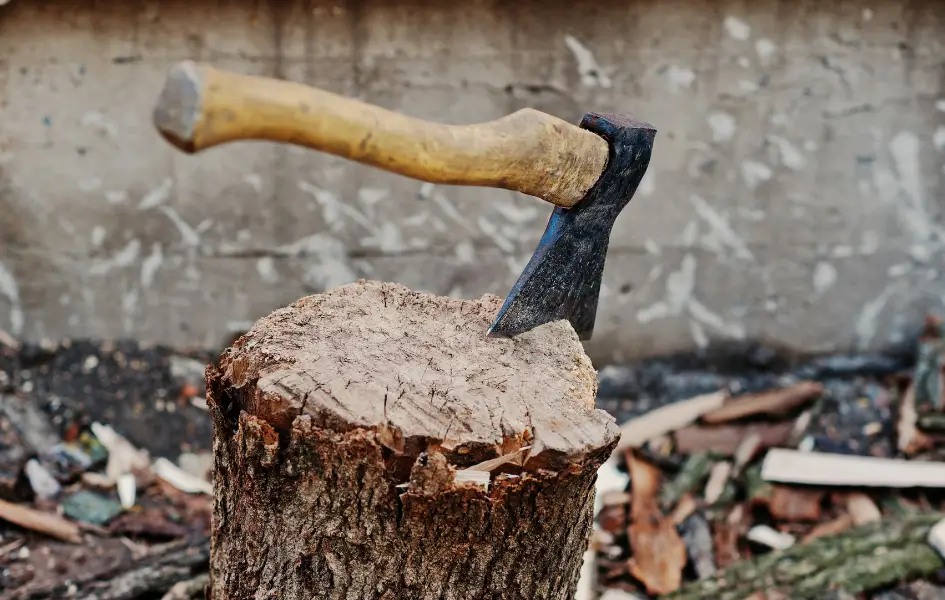
Safety first, though!
Be cautious and follow proper safety procedures when using tools like chainsaws or axes.
Here’s what I’ve learned:
- Cut wood into manageable chunks: Aim for 16 to 18 inches long, which fits most wood-burning stoves and fireplaces.
- Split wood for speedy drying: Split the wood along the grain to make smaller, easy-to-dry pieces that’ll burn efficiently.
- Get the right tools: A trusty chainsaw, splitting maul, or hydraulic log splitter will make the job a breeze.
Drying and Stacking Smarts
Properly drying and stacking your firewood is key for efficient burning and preventing mold growth.

Here’s how I do it:
- Elevate your wood: Use a firewood rack, pallets, or cinder blocks to keep your wood off the ground and away from moisture and rot.
- Let it breathe: Stack your firewood loosely, leaving gaps between logs for air circulation and quicker drying.
- Top cover, open sides: Protect your firewood from rain and snow with a tarp or waterproof material on top, but leave the sides exposed for airflow.
FAQs
How long does it take for firewood to dry?
From my experience, firewood drying time, or seasoning, depends on the type of wood and storage conditions.
Generally, it takes 6 to 12 months for firewood to dry properly.
Hardwoods like oak or maple may need more time, while softwoods like pine or fir will dry faster.
How can I tell if my firewood is seasoned and ready to burn?
Here are some telltale signs that your firewood is seasoned and good to go:
- The wood has darkened and looks weathered.
- The ends of the logs have cracks or splits.
- The bark is loose or comes off easily.
- When you knock two pieces of wood together, they make a sharp, hollow sound, not a dull thud.
Is it okay to burn pallets or treated wood?
Burning pallets or treated wood can release toxic chemicals into the air, which can be harmful to your health and the environment.
I always make sure the wood I’m burning is untreated and safe for use in a fire.
Before You Go
Stockpiling firewood for free is an art that can save you money and keep you warm all winter long.
By scavenging, salvaging, and connecting with your community, you can build a sizable woodpile without spending a dime.
Don’t forget to properly prepare and store your firewood to ensure it burns efficiently and safely.
With a little time and effort, you can master the cozy art of stockpiling firewood for free and bask in the warmth and comfort it provides.
Happy hunting and stay toasty!

Originally posted 2024-12-22 06:58:09.