It can be hard to stay sanitary when the grid goes down.
Without electricity, many of our usual hygiene habits become tricky.
But don’t worry – there are ways to keep clean even when the lights go out.
You can stay healthy and sanitary during a grid-down event with some simple steps.
We’ll look at 9 easy methods to keep yourself and your space clean when there’s no power.
These tips will help you avoid germs and feel fresh, even in challenging times.


1) Stock up on hand sanitizers
Hand sanitizers are a must-have when water is scarce.
They kill germs quickly without needing a sink.
Look for ones with at least 60% alcohol content for best results.
Buy small bottles to keep in your pockets and bigger ones for home use.
Gel types are less messy than liquids.
Get unscented versions if you want to avoid attracting bugs.
Remember, sanitizers don’t clean dirt off your hands.
They just kill germs.
Use them when soap and water aren’t available.
Keep a good supply on hand as you’ll use more than you think.
2) Use water purification tablets
Water purification tablets are a handy way to make water safe when the grid is down.
They’re small, light, and easy to store.
You can use them to kill harmful germs in water from streams, lakes, or other sources.
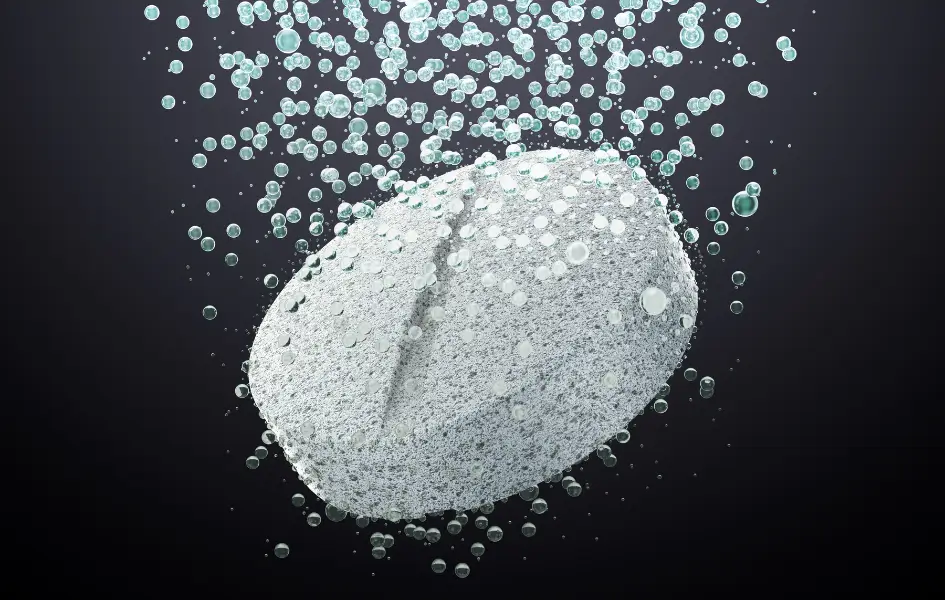
To use them, drop a tablet into a quart or liter of water.
Stir it and wait about 30 minutes.
The water should now be safe to drink.
Keep a supply of these tablets in your emergency kit.
They last a long time and don’t take up much space.
Remember, clean water is crucial for staying healthy when normal systems aren’t working.
3) Keep disposable gloves handy
Disposable gloves can be a big help when you’re trying to stay clean without running water.
Keep a box or two stored away for emergencies.
They’re great for handling food, treating wounds, or cleaning up messes.
Put gloves on before touching anything dirty or potentially germy.
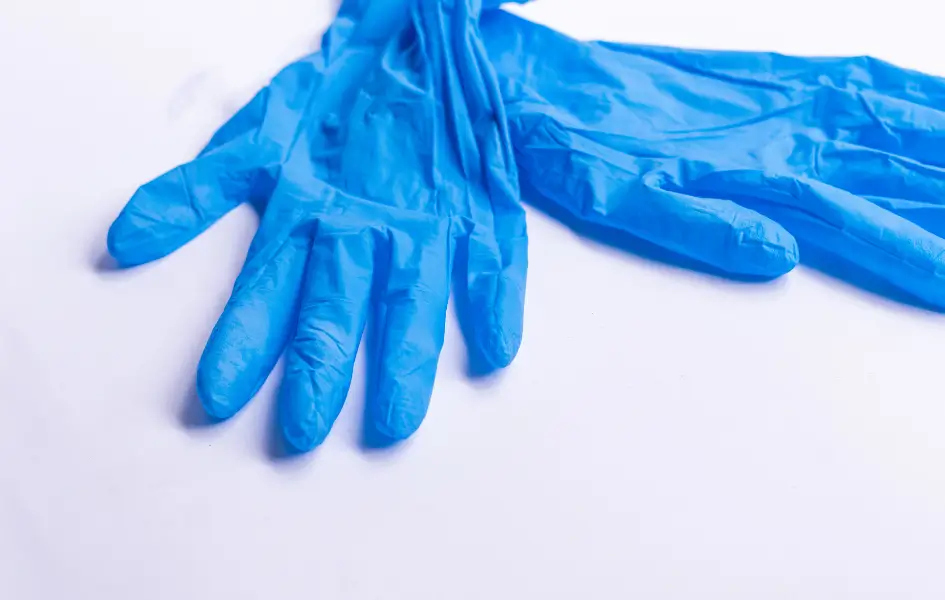
Take them off carefully when you’re done and throw them away.
Don’t reuse disposable gloves.
Remember that gloves aren’t a substitute for hand washing.
Use them wisely to avoid wasting your supply.
When you can’t wash your hands, gloves offer an extra layer of protection against germs.
4) Store plenty of biodegradable wipes
Biodegradable wipes are a must-have for staying clean when water is scarce.
They break down quickly and won’t harm the environment.
Look for wipes made from plant-based materials like bamboo or organic cotton.
Keep a variety on hand for different uses.
Baby wipes work well for general cleaning.
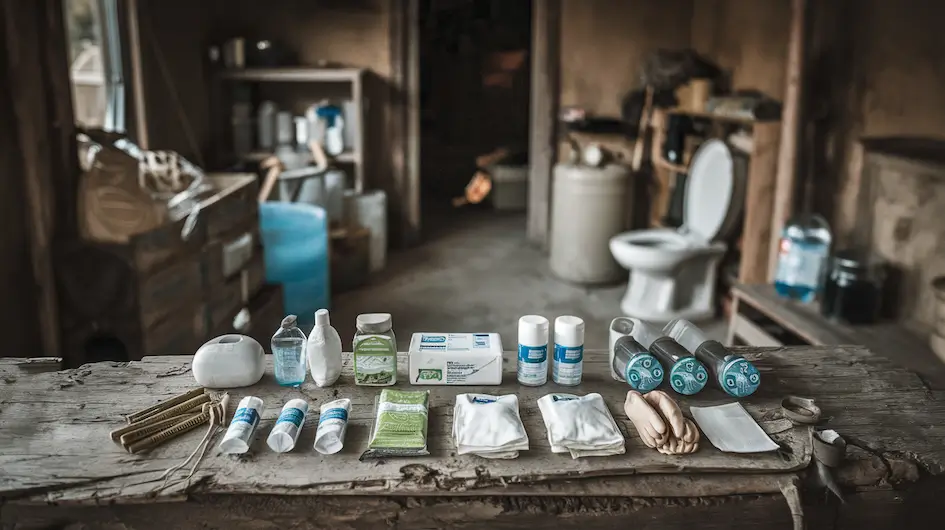
Flushable wipes can substitute for toilet paper.
Hand wipes help sanitize when soap and water aren’t available.
Choose wipes that are gentle on sensitive skin.
Many biodegradable options contain soothing ingredients like aloe vera or cucumber.
Store your wipes in a cool, dry place to keep them fresh until needed.
5) Install a composting toilet
A composting toilet is a great off-grid solution for staying clean when there’s no running water.
You can buy a ready-made one or build your own using a container, organic material, and a ventilation system.
To use it, you’ll need to add dry cover material after each use.
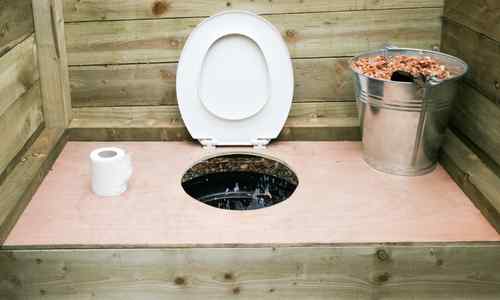
This helps break down waste and control odors.
Make sure to turn the chamber regularly to mix everything up.
The best part?
You can use the finished compost in your garden.
It’s full of nutrients that plants love. Just be sure to let it decompose fully before using it.
Remember to check the temperature and moisture levels often.
This will help you keep the composting process on track.
With proper care, your composting toilet will keep you sanitary without relying on the grid.
6) Set up a rainwater collection system
You can set up a simple rainwater collection system to have clean water when the grid is down.
Start by placing rain barrels or tanks under your roof’s downspouts.
Make sure to use food-grade containers to keep the water safe.
Add screens on top to keep out debris and mosquitoes.
Install a first-flush diverter to remove initial dirty runoff.
Use a pump or gravity to access the stored water as needed.
Remember to clean your system regularly.
Test the water quality before drinking it.
With proper setup and maintenance, you’ll have a reliable emergency water source.
7) Use paper towels for drying
Paper towels are a great choice for drying your hands when the power is out.
They’re more hygienic than air dryers or reusable towels.
Grab a single sheet to dry your hands after washing.
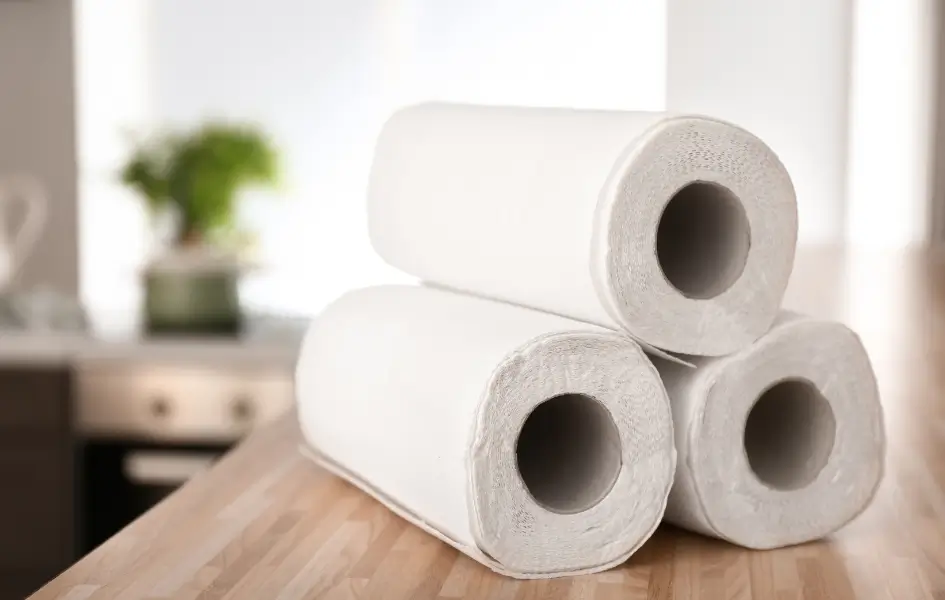
Rub your hands with the paper towel to remove any leftover germs.
The friction helps get rid of microbes that washing might have missed.
If you’re low on paper towels, shake your hands first to remove excess water.
Then use just one sheet to finish drying.
This helps your supply last longer during an extended outage.
8) Practice good handwashing techniques
Washing your hands is super important when the power’s out.
Use soap and water if you can.
Scrub for at least 20 seconds – that’s about how long it takes to sing “Happy Birthday” twice.
Don’t forget to clean between your fingers and under your nails.
Rinse well with clean water.
If you don’t have running water, use a bucket or jug to pour water over your hands.
No soap? Use ash or sand as a scrubbing agent.
It’s not ideal, but it’s better than nothing.
If water is scarce, use hand sanitizer with at least 60% alcohol.
Remember to wash up before handling food, after using the bathroom, and after touching anything dirty.
Good hand hygiene can keep you healthy when things get tough.
9) Disinfect surfaces regularly
Keeping surfaces clean is key when off-grid.
Use soap and water to wipe down counters, tables, and doorknobs daily.
This helps remove dirt and germs.
For extra protection, use a disinfectant after cleaning.
Mix bleach with water or use vinegar as a natural option.
Focus on high-touch areas like light switches and faucet handles.
Don’t forget about your tools and gear.
Clean them after each use to prevent germ buildup.
A quick wipe can go a long way in staying healthy.
Remember to let surfaces air dry after disinfecting.
This gives the cleaning agents time to work their magic.

Originally posted 2025-01-03 03:25:00.