Hurricane Survival Guide: They arrive without giving notice
- Hurricanes are not Tornadoes
- What Needs to be Done Pre-Hurricane
- keep Your Home’s Damage to a Minimum
- What to do During a Hurricane
- What to do after the storm
- #2. Do not use electronic equipment, or appliances or turn the power back on
- #3. Take photos
- #4. Watch out for wild animals
- #5. Open the windows
- #6. Check your gas lines
- #7. Avoid high levels of water or large puddles
- #8. Watch out for hazards
- #9. Keep accurate records of all hurricane related expenses
- #10. Make a list of damaged goods
- Hurricane categories
- Hurricane Survival Guide: Some final words
That seems to be the way it is with hurricanes.
They just appear and you have to endure a long night of thunder, lightning, and rain.
With those weather conditions, you also have to deal with power outages, flooding, and other damage.
Hurricanes are not fun as they can topple big trees into your home.
Knowing how to prepare for a hurricane and what to do during and after one is important to your overall survival.
Take a few minutes to see what you can do to minimize the damage to your family and property when a hurricane strikes.
Hurricanes are not Tornadoes
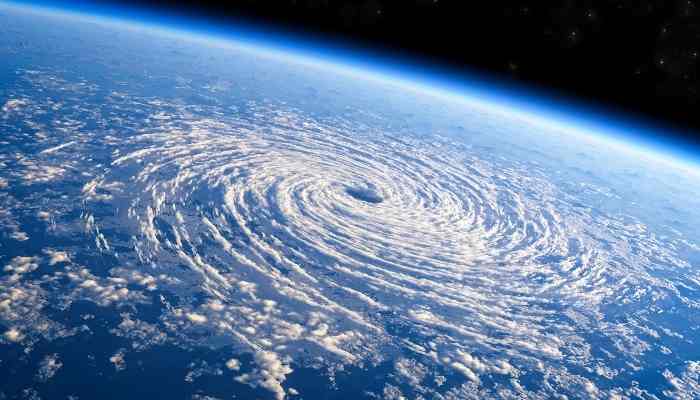
They are much larger and more dangerous than a tornado.
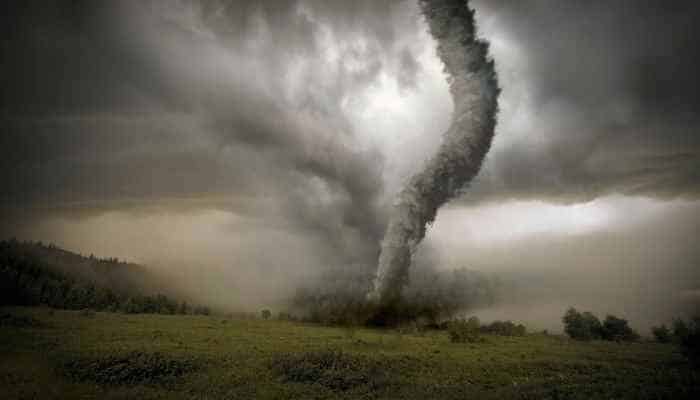
In fact, some hurricanes can create tornadoes if the conditions are just right.
Plus, tornadoes do not normally last a long time, rarely travel more than 20 miles, and have terrific wind speeds.
On the other hand, hurricanes can cover between 60 and 1000 miles, drop a lot of rain on an area and can last for days.
As you can see, being prepared for a hurricane is essential for your survival.
What Needs to be Done Pre-Hurricane
Most of this information will be for those people who live in areas where hurricanes strike frequently.
There will be freak storms that travel, like the 1962 Columbus Day Storm.
That hurricane traveled up the western American coast into Canada.
It wreaked havoc everywhere it went.
Everyone will need to know what to do when a hurricane is coming their way.
Before the storm hits, you will need to have prepared a hurricane emergency kit.

This kit includes the following items but is not limited to the ones mentioned here:
- Water or a water filtration system
- First aid kit
- Emergency food supply (non-perishable)
- Waterproof flashlights and batteries
- Wood, fuel, and waterproof matches
- Flotation device
- Radio
- Walkie-talkie/ cellphones
- Solar power bank
- Changes of clothing

You may want to sandbag around your home or put sheets of tough plastic or metal up against your doors’ exteriors to keep any rising water out of your home.
After that, you should be listening to the radio reports to find out the severity of the storm, how long it should last, and other key details.
The category of the storm will give you an idea of how much damage may be done in your area.
Then take the time to protect your home.
keep Your Home’s Damage to a Minimum
Here are some steps you can take:

- Prune trees– get rid of dead branches that will break off and fly in your home’s direction
- Secure your roof– make it secure
- Protect your windows– install storm shutters and add plywood over larger windows that do not open
- Clean gutters– very important as you want the rainwater to flow freely away from your home. Make sure the downspouts are clear at the same time.
What to do During a Hurricane
Hurricanes are very dangerous and they can cause a lot of damage.
If you make foolish decisions, you could end up injured or dead so use a lot of common sense.
You may know hurricanes by their other names- typhoons and cyclones, so you know what damage can be done by these storms.
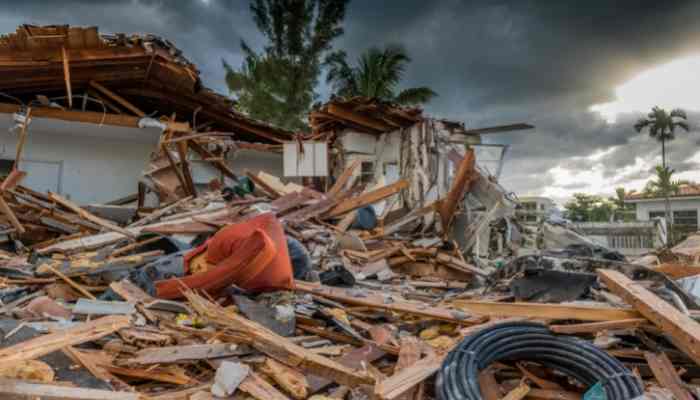
Take them seriously so you are fully protected.
#1. Protect yourself
Stay inside and stay away from all windows and doors.
Also, find an interior room or closet where you can stay safe
#2. Listen to a portable radio
That way you will know when the storm is over and it is safe to go outside
#3. Do not be deceived by the eye of the storm
Wait till you get the all-clear from governing authorities
#4. Loss of power
Do not open your fridge but keep it closed.
Fridges can protect food for an additional 24 hours when kept closed.
#5. Use a portable generator
this will keep key electronic devices working.
Those would include your fridge but have enough fuel on hand to run it for long periods of time.

Also, the generators have to be used outside.
They produce carbon monoxide that can kill you and your family if you use them indoors.
Long extension cords will be needed to get the benefit of these powerful tools.
#6. Do not use electronic equipment like phones
Lightning does follow power lines and electronic signals
What to do after the storm
Now that the storm is over there are different things that need to be done.
You have to be careful when you return home or start picking up the pieces of your life.
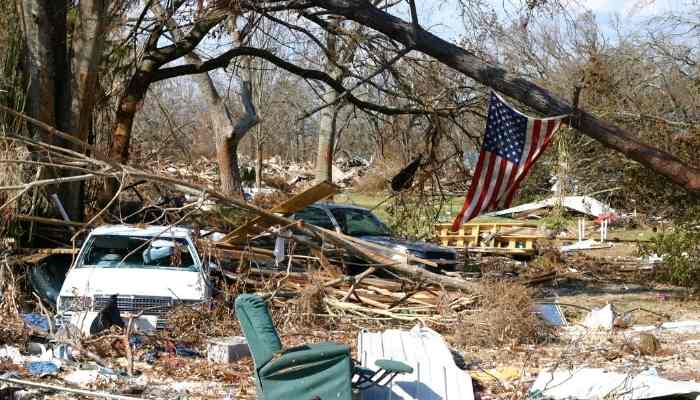
There may be hidden dangers that can cause injuries or worse.
#1. Be patient
There is no hurry to return to normal. Impatience leads to mistakes and injury.
#2. Do not use electronic equipment, or appliances or turn the power back on
Have your home inspected for possible electrical damage before turning the power back on.
#3. Take photos
This is not for fond memories but for your insurance company.

Get all the photos of the damage done to your home so you can make an honest claim.
#4. Watch out for wild animals
They will look to your property for shelter as well.
They hide in little spaces so be careful and keep an eye out while carrying something to protect yourself
#5. Open the windows
If the interior of your home was flooded or got wet, this will help dry it out
#6. Check your gas lines
If you have them.
You never know if they got damaged.
Until you check them out, do not use anything that needs an open flame, sparks or match.
Wait until you know the gas lines are okay
#7. Avoid high levels of water or large puddles
These may be electrically charged and touching them, even with a vehicle, as you could get electrocuted
#8. Watch out for hazards
These can be broken items, loose branches, damaged buildings, and so on.
You do not want to get hurt after surviving the storm
#9. Keep accurate records of all hurricane related expenses
Make no permanent repairs until your claims adjuster views the property.
Save all bills and receipts to turn in to your insurance company.
#10. Make a list of damaged goods
Record make, model, brand names, serial numbers, model numbers, and any other pertinent information as well as place and date of purchase if you can.
If your home is damaged and not liveable, make arrangements for temporary quarters with your insurance company.
The keywords after a hurricane are ‘be careful’.
You never know where the damage will be or how it might affect you if you are not careful.
Hurricane categories
The scientific departments have added different categories to the different hurricanes that hit specific areas of the country.

These categories tell you what you can expect and the possible damage that will occur.
Knowing these category levels will help you survive when the storm hits your area.
Category 1 hurricane– winds range from 74 to 95 mph and damage includes snapped power lines, falling debris, and unprotected windows may be damaged.
Category 2 hurricane– winds range between 96 and 110 mph and a higher risk of death or injury due to flying debris.
Mobile homes may be destroyed (older ones) if not secured correctly.
There can be siding and roof damage as well as uprooted trees.
Power loss is to be expected
Hurricane Category 3 – winds range from 111 to 129 mph, the damage is similar to #2 but much, much worse.
Category 4 hurricane- winds range from 130 to 156 mp, the damage will be even more severe than #3 with officer buildings losing their windows and falling to the ground
Category 5 hurricane- winds are 157 mph or higher. The damage that can be done in this category is indescribable.
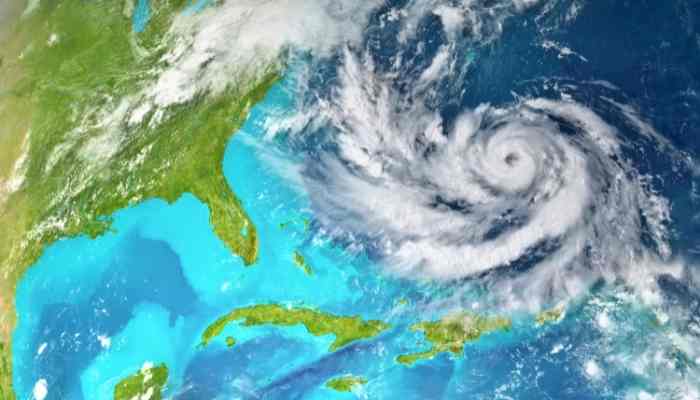
The only good news in this category is that there is no category 6 hurricane.
This category of a hurricane usually means total destruction thus adding another category would be useless.
Also, in all categories, you can expect both power and water shut downs.
How soon they get those two key elements back online and to your home depends on the severity of the damage.
Keep in mind that all categories of hurricanes can cause significant damage to property, vehicles, and so on.
The best way to survive is to find a safe place inside and keep away from the windows
Hurricane Survival Guide: Some final words
While this may be the toughest storm to survive, it also has the lowest amount of preparation.
These storms can appear without notice but usually, the weather services are tracking these storms so you have ample opportunity to get prepared.
After you make your preparations, just accept the fact that there is only so much you can do.
Do not second guess yourself as you will never know if those changes would have stopped problems from arising.
References:
https://gpm.nasa.gov/resources/faq/what-difference-between-tornado-and-hurricane
https://www.nbcnews.com/mach/science/what-s-difference-between-hurricane-tornado-ncna1011676
https://time.com/4946730/hurricane-categories/

Originally posted 2022-08-17 05:17:41.