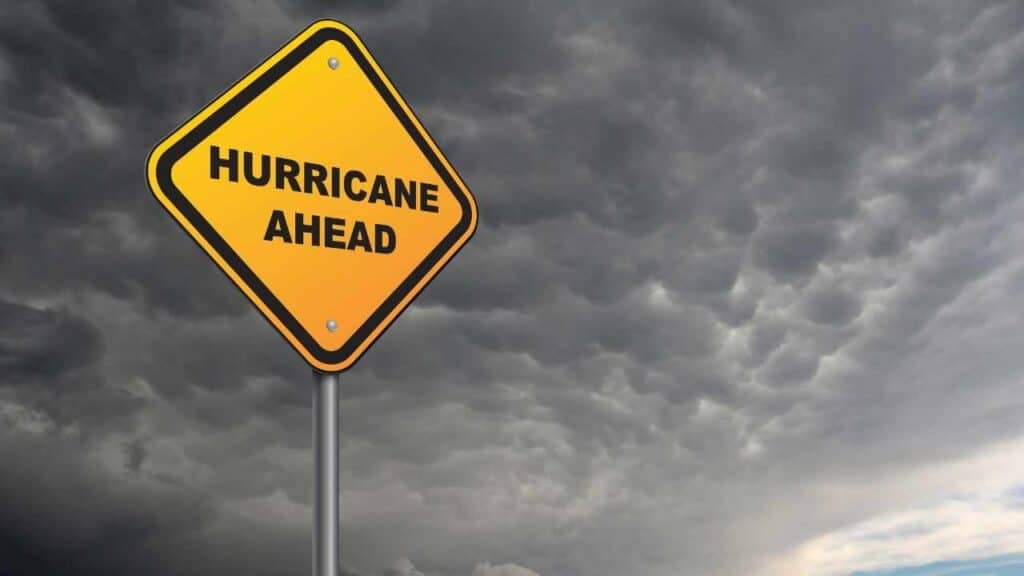
Prepping for a typhoon is vital.
No matter their name, they can be devastating.
If you go around the world, you will find out that this storm has three distinct names to identify it.
In the Pacific, they are called typhoons.
In the Atlantic, they are called hurricanes.
And in the Indian Ocean, they are called cyclones.
No matter their name, these storms are dangerous and you need to know what to do before, during, and after one hit.
If you learn these lessons, chances are you and your family will survive the storm and can pick up the pieces of your life.

Learn the Category Numbers
There is a good reason why the government and scientists place numbers on different storms.
Those numbers tell you the severity of the storm and how well you should prepare for them.

Category 1- winds can reach speeds up to 75 to 95 mph. They can cause some damage and knock out power for days
Category 2- wind speeds reach between 96 and 110 mph and cause more damage than a category 1 storm.
Category 3- wind speeds are between 11 and 129 mph and the damage these storms cause can be devastating
Category 4- wind speeds reach 130 to 159 mph and create more damage than #1-3 combined.
Category 5- wind speeds go beyond 160 mph. The destruction is beyond description.
Prepping for a Typhoon Before One Hits
Once you know the level of the storm, you will know exactly what you should do.
Here are a few of those duties you need to prepare:
#1. Secure your car and your home
Close up windows with plywood, and move your furniture upstairs if possible to avoid flood damage.

Put your car in the garage or park it on higher ground in case of a flood.
Just do not park it near a power pole.
#2. Charge all electrical devices
This includes phones, computers, power banks, and other electrical devices that run on battery power
#3. Build an emergency kit that includes the following items:

- 3-Day Supply of non-perishable food (like canned goods)
- 1 gallon a day of water per person (roughly good for 3-6 days)
- Water Purification Tablets
- First Aid Kit
- Can Opener
- Battery-Powered Radio
- Flashlight
- Batteries
- Extra Phone
- Phone Charger
- Garbage Bags
- Duct Tape
- Towelettes
- Wrench
- Powerbank
#4. Make sure you have all the emergency hotlines needed
That way you can call after the storm and see what is happening and what still needs to be done.
Keeping informed will help you after the storm is over.
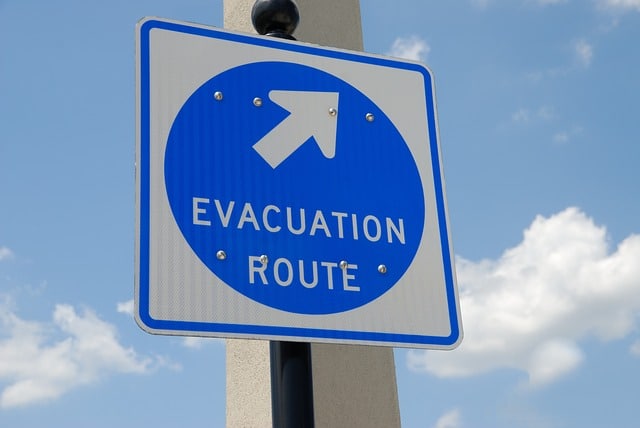
#5. Know the evacuation routes
Teach them to your children so they know them as well.
#6. Misc. Duties
Make sure to have enough cash on hand as banking systems may be down for a while.
Keep your car’s gas tank filled with gas just in case you need to evacuate in a hurry
What to do During a Typhoon
#1. Do not go out
The winds are dangerous and they will be sending objects flying through the air at high speeds.
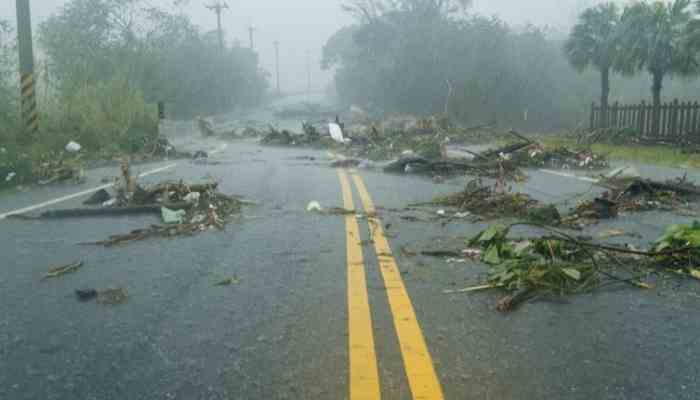
It is best to avoid going outside during the storm and keep your pets inside as well.
Be careful about mistaking the eye of the storm for the end of the typhoon.
It is easy to get fooled so wait until you know the storm has gone by for good.
Give it a few hours before you venture out and see what damage has been done to your home and other property.
#2. Set your fridge to the coldest level
This will help preserve your most perishable food items.
If the power goes out, the cold air stays inside the fridge for at least 24 hours.

Keeping everything colder should help extend that freshness time and give you healthy food to eat.
#3. Go to the safest part of your home
You never know what will come through your doors and windows during a typhoon.
Make sure you and your family are in the safest part of the house so you can avoid injury.
If there is a risk of flooding, then head to the second floor or attic area.
Stay away from the ground floor just in case your home is overwhelmed with water.
#4. Stay informed
tune in to what radio signals or television stations you can and keep up-to-date on what is happening.
Staying informed will let you know if there is more danger coming or if the storm has subsided.

Make sure you are tuned into legitimate news sources.
If you don’t you may be fed the wrong information and put yourself in danger.
#5. Evacuate if instructed
This is important as the government may think the storm is going to be worse than originally thought.
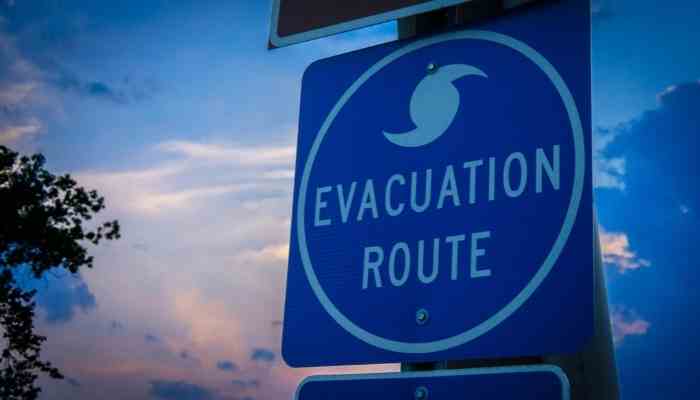
If instructed to do so, only take necessities and evacuate as quickly as possible.
Make sure to get the right evacuation plans and follow them to the letter.
Once the storm is over, you will be allowed to return home and start the cleaning up process.
#6. Go to a shelter
This is especially important for those who live in a mobile home, tiny house, or an RV or travel trailer.
Those homes are not built that well and can easily be destroyed in a typhoon.
What to do After the Storm
Once the storm is over, that does not mean everything is safe.
Here are things to not do immediately after the storm
#1. Do not drive
Depending on the severity of the storm, it is best not to drive.
There may be flooding still going on, loose dirt on the hillsides that may slide down or there may be downed power lines on the road.
Not to mention all the debris sent everywhere by the storm.
Keep your driving to a minimum if you have to go outside.
#2. Do not walk in puddled water
You never know when a power line or an electrical line from a home is down in your area.
It is not always easy to tell if those lines are touching water or not.
To stay safe, avoid walking in puddled water.
Your home may not have power but those power lines may.
Wait till the professionals clear the area of down power lines before risking walking in any puddled water.
#3. Don’t drink the tap water
Water lines may have broken during the storm and dangerous contaminants may have filtered into your drinking water supply.
Those contaminants can be harsh chemicals, germs, and other bacteria.
If you are needing to cook or drink, boil your tap water first.
#4. Stay away from hills
The damage done to vegetation could loosen the soil to dangerous levels.
It won’t take much for that soil to come sliding down and cover the area.
Wait a few days before heading off into the hills for fun or work.
#5. Don’t forget to check for injured people
Whether in your home or your area.
Fast response to possible trouble can help save lives.

When you go to check, bring your phones with you so you can contact emergency help as quickly as possible.
Have a Disaster Plan
When you live in a region of the world that suffers from typhoon season annually, then it is a wise move to create a disaster plan.
This plan will help all family members know where to go if they become separated.
It will also provide contact numbers to let each other know you are all safe.

Along with that, the disaster plan should include instructions on what to do if there is flooding or damage to the home.
Plus, the plan should lay out how much food and water, and other supplies everyone should have during the duration of the storm.
Make sure everyone in your family knows about this plan and its content.
Practice it with them so they have the important information memorized.
The key to the disaster plan is to teach your children and other family members not to panic during the storm.
The disaster plan should contain information on where to get emergency supplies if you need them.
These may be hard to find but with the right information, you have a chance of restocking your food and water supply.
Some Final Words
Typhoons are very dangerous storms.
They take the lives of many people every year.
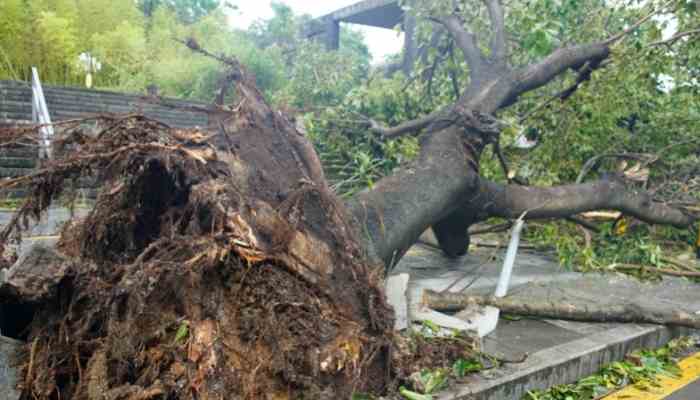
Plus, they create a lot of damage to property and the surrounding areas.
Being prepared will help get you through these storms.
It is best to play it safe while the storm rages in your area.
You never know what other damage may occur after the storm has ended.
You won’t see the risks with your eyes but they will be there.
Make sure to keep your phones, radios, and televisions tuned to the right news sources so you get the best information possible.
Watch out for hidden dangers like downed power lines or broken electrical equipment.
Those can still carry power and you won’t know it until it is too late.
Source:
https://sciencing.com/causes-effects-tornadoes-8204458.html

Originally posted 2022-10-06 16:23:43.