

Urban emergency preparedness is a crucial aspect to consider as you navigate life in a city.
With high population densities, limited resources, and a range of potential crises, it is paramount for you to prepare yourself and your loved ones for any emergency situation that may arise.
As you develop your preparedness plan, it’s important to consider various hazards, such as natural disasters, infrastructure failures, and public health crises.
Understanding the unique challenges faced by urban areas will allow you to mitigate risks and establish an effective response plan to keep yourself and your community safe during emergencies in bustling cities.
Throughout this article, you’ll learn essential tips and insights to help you become more prepared for urban emergencies.
By implementing these strategies in your daily life, you’ll be better equipped to handle any potential threats and maintain the well-being of you and your loved ones in all kinds of urban settings.
Understanding Urban Emergency Preparedness
Urban emergency preparedness is essential for coping with potential disasters in your city.
As a city dweller, you need to be aware of the unique challenges that urban areas face and take steps to keep yourself and your community safe.
Common Emergencies in urban settings
Some common urban emergencies include:
- Power outages
- Acts of terrorism
- Industrial accidents
- Flooding
- Severe weather events
- Earthquakes

You should familiarize yourself with these emergencies and develop an emergency action plan to respond to them.
Sign up for local emergency alerts and make sure your emergency kit is stocked with essentials, such as water, food, and first-aid supplies.
Hazards in Urban Environments
Urban areas are characterized by various hazards.
Some common hazards include:
- Densely populated areas, which can exacerbate the effects of a disaster
- Blocked roads and infrastructure, which can delay emergency response times
- Heavily built-up environments, which can contribute to a heightened risk of casualties
- Environmental contamination from industrial sites, which can pose health risks
Understanding the unique hazards in your community can help you develop targeted emergency preparedness strategies.
For example, you might consider attending community meetings to discuss local risks, working with your neighbors to establish disaster response plans, or advocating for local legislation to enhance public safety.
Assessing Vulnerabilities
To begin, you need to assess your vulnerabilities.
Consider the types of emergencies that are most likely to occur within your community or region.
These may include:
- Natural disasters, such as earthquakes, floods, or hurricanes
- Human caused disasters disasters, like chemical spills or transportation accidents
- natural hazards
- Public health emergencies, including disease outbreaks or bioterrorism
- Infrastructure failures, such as power or water system issues

By understanding complex challenges faced, you can prioritize which hazards to focus.
Then develop a comprehensive preparedness plan accordingly.
Establishing Goals and Objectives
Once you’ve identified your vulnerabilities, establish specific goals and objectives for your preparedness plan.
These may vary depending on the hazards you face, but some examples could include:
- Ensuring your family is prepared to evacuate within 30 minutes
- Stockpiling a two-week supply of food, water, and essential items
- Creating a plan for taking care of pets during emergencies
- Developing a system for checking on vulnerable neighbors after a disaster

Remember, your goals should be realistic and achievable, while still pushing you to improve your overall readiness.
Creating a Communication Strategy
Effective communication is crucial in times of crisis.
Your communication strategy should include the following components:
- Identify your emergency contacts and keep their information readily accessible
- Establish a communication plan with your family, including out-of-town contacts
- Invest in a battery-powered or hand-crank radio to receive emergency updates
- Designate a central meeting location for your family in case you’re separated
By addressing these elements, you can ensure that you and your loved ones are well-informed and able to assist one another in the event of an emergency.
Urban emergency management: Implementing Your Plan
Your urban emergency preparedness plan is only as good as its implementation.
This section will guide you through the essential aspects of putting your plan into action, including training and education, resource allocation and management, and collaboration with local agencies.
Training and Education
Preparing your household or organization for emergencies starts with education.
You must familiarize yourself and your team with the risks associated with your urban environment and the appropriate response measures.
To achieve this, you can:
- Attend local emergency preparedness workshops and training sessions.
- Encourage participation in regular drills to practice emergency response skills.
- Stay informed of updates in emergency preparedness and response measures.
Resource Allocation and Management
Properly allocating and managing resources are critical in preparing for urban emergencies.
To start:
- Identify and prioritize resources needed to respond to emergencies, such as protective gear, emergency kits, and communication equipment.
- Maintain an inventory of supplies and ensure sufficient stock levels are available for use in an emergency.
- Keep your emergency equipment clean, functional, and easily accessible.
Collaboration with Local Agencies
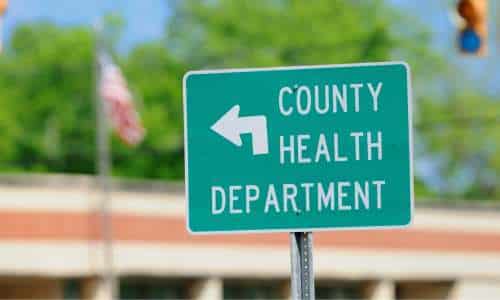
Working closely with local agencies such as urban emergency managers, public health departments, and law enforcement is vital to coordinate efforts and expedite response timelines.
You can strengthen collaboration by:
- Establishing regular communication with these agencies to stay informed of their plans and protocols.
- Participating in collaborative training exercises, such as simulated emergency scenarios.
- Providing input and sharing your organization’s expertise in emergency preparedness and response.
Maintaining and Improving the Plan
In order to ensure that your urban emergency preparedness plan remains effective and up-to-date, it is crucial to regularly review and make improvements.
Regular Review and Update
As you build your emergency preparedness plan, it’s essential to establish a consistent review process.

This helps you identify any potential gaps and incorporate new information or best practices into your plan.
Here are some suggestions to keep your plan fresh and relevant:
- Establish a routine timeline for reviewing and updating your plan, such as every six months or annually.
- Engage relevant stakeholders, such as local government agencies, emergency responders, and community groups in the review process.
- Keep an eye on new developments in emergency response technology and methodologies to ensure your plan remains cutting-edge.
- Regularly assess and update your list of resources and contacts, as they may change over time.
- Ensure your emergency supplies are up to date.
Lessons from Real-World Incidents
Real-world emergencies provide valuable learning experiences that can help you refine your plan.
Here’s how to harness these lessons:
- Analyze past incidents and the response efforts, both locally and globally. This helps you understand what worked well, what didn’t, and any unique challenges faced during the response. Hurricane Katrina is a good example to follow.
- After reviewing the incident, identify what changes can be made to your plan to better address similar situations in the future.
- Share the updated plan with stakeholders and incorporate their feedback.
- Conduct drills and simulations based on real-world incidents to validate the effectiveness of your updated plan and identify areas for further improvement.
By implementing these strategies, you can ensure your urban emergency preparedness plan remains current, effective, and tailored to your community’s evolving needs.
Before You go
In summary, urban emergency preparedness plays a vital role in ensuring your safety and well-being during unforeseen incidents.
By following these guidelines, you can have peace of mind knowing that you have taken due diligence in preparing for potential emergencies.
Remember to:
- Maintain a well-stocked emergency supply kit
- Develop a comprehensive family communication plan
- Stay informed about potential threats in your area
- Understand and practice basic first aid skills
- Create and rehearse a household evacuation plan

Prioritize your emergency preparedness plan and take practical preparation steps.
Stay vigilant, informed, and proactive in your efforts to protect your loved ones and your community.
We hope you enjoyed this overview and if you follow the guidance outlined, you’ll be ready if disaster strikes in an urban setting.

Originally posted 2023-04-29 11:02:57.


