How to Survive a Flood: When it rains, it pours
That is an old adage that when something bad happens, it comes in large amounts.
The same can be applied to rain.
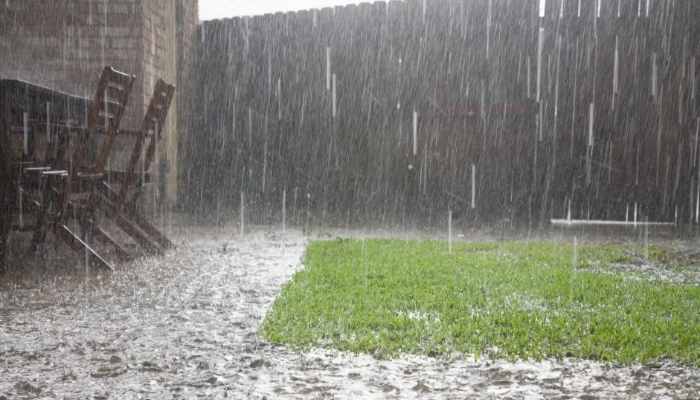
When it rains a lot, you can expect some flooding to take place, especially, if your home is located in low-lying or flat areas.
Being prepared for a flood is essential as water is very powerful and causes more damage than you may realize.
Take the time to read through the rest of our article as it contains very important information you should know about when you live in a flood zone.
Before the Flood
Many people ignore this time as flooding is not the first priority they have on their minds.
But if you listen to the warning signs, you can be prepared for almost any flood that comes your way
There are some warning signs that take place before a flood comes and here are some of those warning signs:
- There is a lot of rain over several days
- There is very heavy rain for one or two days
- A nearby river or creek has large amounts of debris in it
- Nearby dams or levees are not big enough
- Your home is in valleys, plains, canyons, swamp lands, on the coats or near large lakes & rivers

Paying attention to these warning signs can help you prepare flood emergency kits.
It is better to have the kits and not use them, than not have them when you need them.
Be careful when you live in hurricane zones.
These storms cause more damage through flooding than the high winds they bring with them.
Listen to the radio and keep an ear out for any flood warnings, etc., that way you have time to prepare your home and your family.
So, now some tips on how to survive a flood.
Two of the Best Flood Survival Tips
#1. Make sure you have flood insurance- you may never need it but having the protection protects your home and covers your rebuilding costs.
Repairing a flooded home is very expensive and could wipe out your savings.

Pay the extra charge to avoid this problem.
#2. Prepare a flood emergency kit- very important as often food and water will not be available for some time after a flood.

What should be included in this kit are:
- 1 gallon of water for everyone in the family (including your pets)
- At least 3 days’ worth of food if not more – make it non-perishable food items and do not forget a can opener and bottle opener
- Flashlight, batteries, and a battery-operated radio so you can hear the news
- Medication, extra batteries for phones, multi-purpose tools, copies of important paperwork, etc.
- For women, personal hygiene products and other special needs items
- Flares, flags, and other items to let rescuers know where you are at
- Extra clothes for everyone
- Extra cash, credit cards, bank books, and more
- First aid kit
Tips for Preparing Your Home for a Flood
You may have enough warning to make a defense of your home before the flood water arrives.
The weakest link in your home will be your doors.
The best thing to do is block the doors with plastic or metal plates.
Make sure those plates come with rubber seals.
Those seals will prevent water from coming in through the cracks between them and the door.
You can do the same for your windows but hopefully, the flood does not get that high.
Another defense item will be sandbags.
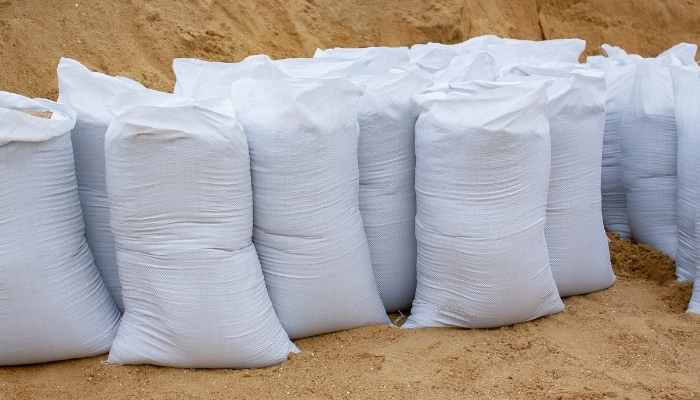
If you know how to pack and stack them right, they help divert flood waters in another direction.
Building a sandbag wall takes time but if you have enough warning, you should be able to minimize any damage done to your home and other buildings on your property.
A third option and this should be done before you build your home in a flood plain, is to elevate it by using a different type of foundation.
Post and beam is a good option and talk to a construction manager to see about other flood foundations that will work for your already built home.
Hopefully, your home is more than one story when a flood hits.
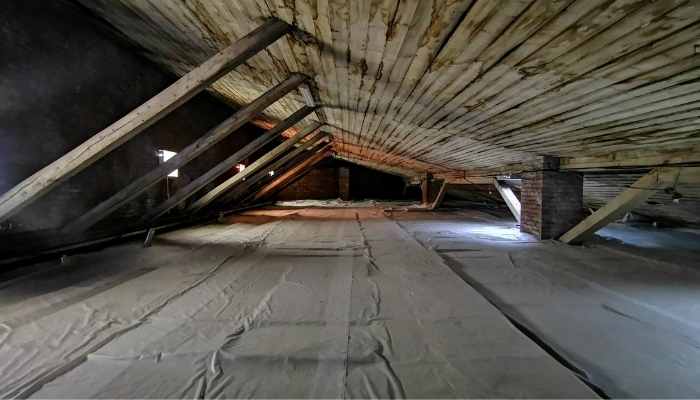
That extra story or attic can help you save your furniture and other prized items you have inside.
Plus, it gives you a place to store heaters, etc., so you have them when the heat goes out.
If you have a basement, take the time to seal it properly.
What to do in a Flood
#1. The news is full of stories about people going out in a flood and drowning.
The first tip you should know about is NOT to go out in a flood.

All it takes is about 6 inches of water and you can be hurt or swept away by the water.
#2. If you and your family get separated before the flood hits, have a designated go-to spot to meet up.
Make sure to have emergency contact numbers on all phones so you can communicate with each other.
#3. If instructed, turn off all utilities to your home, especially the electric.
Do not touch any wires, outlets, or electrical devices while water is in your home or around it.
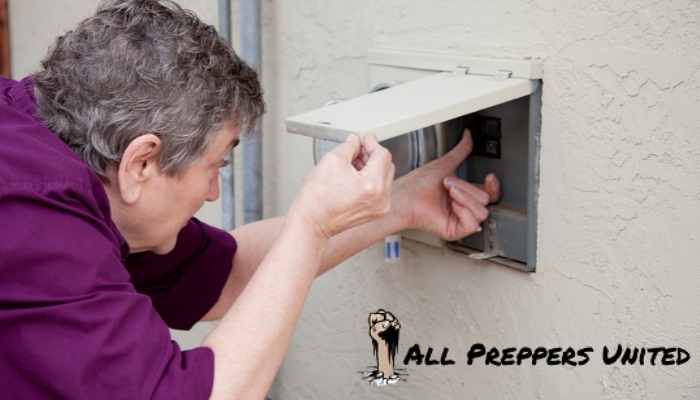
Don’t do it when you are wet either.
#4. If you are outside and you come to a flooded stream, etc., do not wade through it.
Turn around and also do not let children go into the water.
#5. Do not drive through flooded streets and ravines, etc.
Too many people have lost their lives doing this as they try to get home.
It only takes 2 feet of water to sweep the vehicle away (SUVs and trucks included).
Stay on dry land and do not attempt driving through flood waters.
You do not know how fast the current is or how strong.
More Tips
#6 When you are caught in the water or trapped at your home do NOT panic.
Panic is another major cause of injury or even death.
When you are in the water, point your toes downstream, this will protect your head from hitting debris and other obstacles.
As you are floating look for anything you can grab onto to help you stay above water.
Once you get the flotation help, start yelling for help.
They can’t rescue you if they do not know you are in trouble.
#7. Watch out for flash floods- these are the most powerful and dangerous floods you can encounter.

They will hit ravines and other depressions and come with a lot of force.
If you are outside, keep an eye out for these settings and avoid them.
Even if you are in a car a flash flood can stop a vehicle very quickly.
It will also fill up the vehicle fast.
What to do After a Flood
- Do not turn on any power until it is safe to do so
- Turn on your radio and listen for flood reports and act according to instructions
- Do not go into any water until everything returns to normal
- Do not drive on roads where flood waters have been. Bridges and roads may be weakened by the large amounts of water
- Do not go near downed power lines. Report any you see to the power company
- Do not go home until it is safe to do so and authorities will let you know
- Watch out for flooded buildings and do not go inside unless it is absolutely necessary.
- Repair any damage, clean and disinfect your home and property
Looters may come
This is one of the downsides of floods and other natural disasters.
There will always be groups of people looking for things they can take.
It is a sad fact that is a part of flooding and other natural disasters.
If you can, barricade and seal up your home.
This may not completely stop looters but it will slow them down enough that they cannot get everything they want or go to more homes to do the same thing.
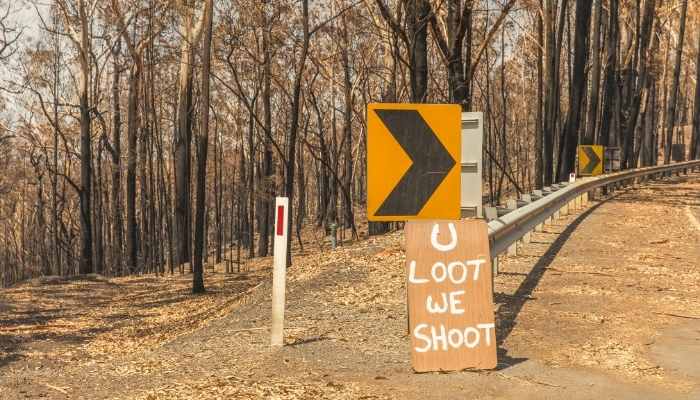
If you are trained to handle firearms then use them responsibly and protect yourself, your family, and your property from looters.
They can be violent in their search for free items.
One of the Best Things to Do
When you have enough warning, head for higher ground.
Hills and mountains are the best protection for you and your family when flood water comes.
The only thing you have to be careful about when heading up those hills and mountains is landslides and flash floods.
Pick your area carefully and do not overload it with cars or people.
Being safe and smart are the keys to knowing how to survive a flood.
Some final words
Floods can be devastating to those who are not prepared.
But if you follow the above tips, you, your family, and your things stand a better chance of surviving a flood.
Use your common sense and be prepared for all stages of a flood.
Don’t rush home when a flood happens, you may make a mistake and not make it.

Originally posted 2022-09-17 14:15:16.