In recent years, I’ve become increasingly interested in the practice of urban foraging.
For those unfamiliar with the concept, urban foraging involves searching for and gathering edible plants and other natural resources in urban environments like cities and suburbs.
It’s a fantastic way to reconnect with nature, reduce waste, and source local ingredients for delicious meals.

My journey into urban foraging began when I noticed fruit-laden trees and bushes in my neighborhood that went unharvested.
The more I explored, the more I discovered an abundance of wild edibles right under my nose.
From dandelions and wild garlic to berries and even mushrooms, the possibilities for finding food in unexpected places seemed endless.
As I’ve continued to learn and grow in my urban foraging pursuits.
I’ve realized that it’s more than a hobby – it’s a practical and sustainable way of living.
Urban foraging helps me reduce my carbon footprint by sourcing food close to home, while also taking advantage of underutilized resources that would otherwise go to waste.
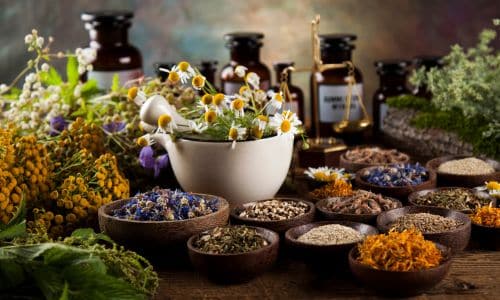
Many plants also have medicinal properties.
Plus, the flavors and nutritious benefits of wild-foraged foods simply can’t be beat!
What is Urban Foraging?
Urban foraging, in a nutshell, is the practice of searching for wild food resources within cities and urban settings.
It involves identifying, collecting, and consuming various plants, fruits, nuts, and even fungi that grow in these spaces.
It’s a fun and sustainable way to incorporate natural, local food into our diets.
Many people might be surprised to learn that there’s a plethora of edible plants hidden in plain sight within their city limits.
From parks and recreational areas to abandoned lots and residential landscapes, opportunities for urban foraging abound.
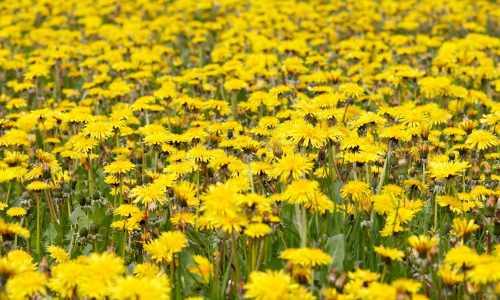
Some common examples of urban edibles include dandelions, blackberries, and nettles.
Besides finding food, urban foraging also helps me develop a greater appreciation for the environment and for the natural resources available right at our doorstep.
With the increasing interest in sustainability and self-sufficiency, it’s no wonder urban foraging has gained popularity in recent years.
When foraging in the city, it’s essential to follow some basic guidelines to ensure a safe and enjoyable experience.
For instance:
- Always positively identify plants before consuming them, as some may be toxic.
- Be aware of local regulations and private property boundaries.
- Avoid collecting plants from polluted areas or those exposed to pesticides and herbicides.
- Take only what you need and leave the remaining for other foragers and wildlife.
In summary, urban foraging is an art and skill that allows us to engage with nature in a closer way, even within the concrete jungle.
It’s an incredible way to source local, nutritious food while promoting ecological awareness and sustainable practices.

Benefits of Urban Foraging
Urban foraging has provided me with numerous benefits.
In this section, I want to share with you the environmental, health, and social benefits of this wonderful activity.
Environmental Benefits
One of the main reasons I got into urban foraging was to connect with nature and help preserve the environment.
Through foraging, I’ve learned to appreciate the plants and animals that coexist with us in the city.
Furthermore, I realized that cities often have a lot of wasted resources.

By foraging for edible plants and fruits, I help reduce the waste of food resources that would otherwise rot
Here’s a list of some of the environmental benefits I’ve experienced:
- Reducing food waste
- Decreasing my carbon footprint and energy consumption by consuming local, seasonal produce
- Supporting local ecosystems and biodiversity
Health Benefits
Urban foraging has also allowed me to explore and include healthier food options in my diet that I never knew existed.
The plants I find during my foraging adventures are usually more nutritious and fresh compared to store-bought options.
Since most of the wild edibles I forage are organic and pesticide-free, my body enjoys their natural goodness without any harmful chemicals.

Here are a few health benefits I’ve noticed:
- Consuming more nutrient-dense, fresh produce
- Increasing my intake of dietary fiber
- Boosting my immune system with natural, organic foods
Social Benefits
Having a shared interest in urban foraging has allowed me to connect with like-minded individuals in my community.
I’ve attended various workshops, talks, and foraging walks where I’ve met fascinating people who share my passion.
The social aspect of urban foraging is not just about making new friends but also about learning from each other’s experiences and developing a deeper understanding of our local environment.
Here are some key social benefits I’ve encountered:
- Building friendships and networking with foragers
- Sharing knowledge and experiences with others in the community
- Participating in community events and workshops
Commonly Foraged Foods
In my urban foraging adventures, I’ve discovered an abundance of delicious and nutritious foods.
I want to share with you some of the most commonly foraged items in the categories of wild edible plants, mushrooms, fruits, and nuts.
Wild Edible Plants
Wild edible plants are a staple of urban foraging.
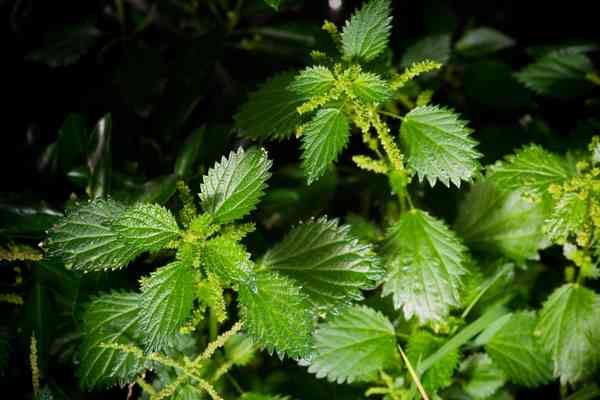
I’ve found that the following plants are both commonly found and easily identifiable:
- Dandelion (Taraxacum officinale): This ubiquitous weed is completely edible, from its leaves to its roots. The leaves are great in salads or cooked, and the roots can be used to make a coffee substitute.
- Chickweed (Stellaria media): High in vitamins and minerals, chickweed can be eaten raw or used in soups and stews.
- Stinging Nettle (Urtica dioica): Despite its name, this plant can be safely eaten when cooked – just be sure to wear gloves while harvesting! It’s a wonderful addition to soups, pastas, or even as a spinach substitute.
Mushrooms
Foraging for mushrooms requires a more cautious approach due to potential toxicity.
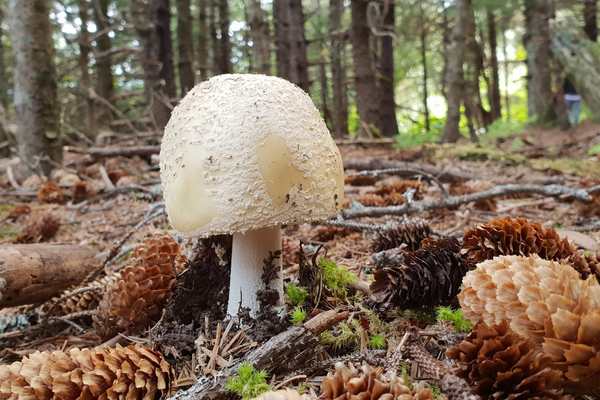
However, with proper identification and knowledge, I’ve successfully foraged the following edible varieties:
- Morels (Morchella spp.): These distinctive fungi are prized for their unique taste and texture. Always be sure to cook before eating.
- Oyster mushrooms (Pleurotus spp.): Easily identifiable by their shelf-like growth on trees, these mushrooms are a delicious and versatile addition to any meal.
Fruits and Nuts
Urban environments are often home to fruit and nut trees.
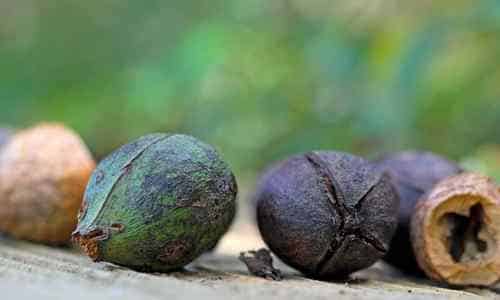
Some of my favorite finds include:
- Blackberries (Rubus spp.): These fruits are delicious and can often be found growing on roadside bushes or near parks and trails.
- Walnuts (Juglans spp.): Nutritious and versatile, walnuts are a great foraged snack. Just be sure to crack them open!
To make the most of urban foraging, I focus on learning to identify and harvest these common foods.
Remember, always be cautious and respectful when foraging, and never consume anything if you’re unsure of its identity or safety.
Ethics and Safety
Sustainable Foraging
As an urban forager, I strive to practice sustainable foraging.
Here are a few guidelines I follow:
- I only take what I need and avoid over-foraging.
- I leave enough plants for wildlife and other foragers.
- When harvesting, I try not to damage the roots or surrounding plants.
- I try to forage away from busy roads and polluted areas.
Legal Considerations
Before I forage, I make sure I am familiar with the local laws and regulations.

Some cities and parks have specific rules about foraging or prohibit it altogether.
Here are a few legal aspects I consider:
- I only forage on public land or ask permission from private landowners.
- I avoid foraging in protected areas, such as nature reserves.
- I familiarize myself with any legal restrictions on harvesting specific plants or fungi.
Safe Identification
One aspect of foraging that I take very seriously is the proper identification of plants and fungi.
Misidentifying a species can lead to consuming toxic or inedible substances.
To minimize this risk, I take the following precautions:
- I invest in a reliable field guide or use verified online resources for identification.
- I consult with experienced foragers or local experts when in doubt.
- I avoid foraging for plants or fungi that have toxic look-alikes.
- I familiarize myself with common poisonous species in my area.
By keeping these ethical and safety considerations in mind, I feel confident in my urban foraging adventures while respecting the natural world around me.
How to Start Urban Foraging
As an urban dweller, I have found ways to start urban foraging which has helped me connect with nature’s bounty even in the concrete jungle.

The key to getting started is knowing where to look and how to identify edible plants safely.
To dive into urban foraging, I discovered three easy ways to start: joining a local group, using mobile apps, and organizing community events.
Joining a Local Group
One of the first things I did when I decided to start urban foraging was to join a local group.
I found this to be a great way to learn from experienced foragers and share knowledge with others interested in the activity.
These local groups often lead guided walks, where members can learn about edible plants available in the area and the best practices for harvesting them.
I recommend exploring social media and online forums to find a group near you.
Benefits of joining a local group:
- Learning from experienced foragers
- Meeting like-minded people
- Participating in guided walks and workshops
No matter where you live, even if there aren’t any groups, Im sure you’ll have access to public parks or wilderness areas with some edible local plants.
Using Mobile Apps
To further enhance my foraging experience, I discovered several mobile apps that helped me identify edible plants and locate foraging hot spots in the city.
With a few swipes on my smartphone, I can now easily identify unknown plants and determine whether they are safe to consume or not.
Some popular apps include:
App Name: PlantNet
Description:A plant identification app that uses artificial intelligence to identify plants from photos
App Name: Seek by iNaturalist
Another plant ID app that provides detailed information on plant species and their uses
App Name: Falling Fruit
An interactive map for finding urban foraging locations and sharing harvest spots with others
Organizing Community Events
Finally, I decided to share my passion for urban foraging with others in my community by organizing events focused on the activity.
This has helped create awareness about urban foraging and its benefits while also building a supportive network of like-minded individuals.
A simple idea is to host a guided walk around the neighborhood showcasing the hidden treasures the city has to offer.
I also find partnering with local environmental organizations or schools to be a great way to engage a larger audience.
Urban Foraging Recipes
I have gathered some of my favorite recipes that showcase urban foraged ingredients.
The recipes highlight the fresh, seasonal, and delicious flavors of urban foraging.
Urban Foraged Pesto:
- 2 cups of freshly foraged wild greens (such as dandelion or chickweed)
- 1/2 cup grated Parmesan cheese
- 1/2 cup roasted pine nuts
- 2 cloves garlic, minced
- 1/2 cup olive oil
- Salt and pepper, to taste
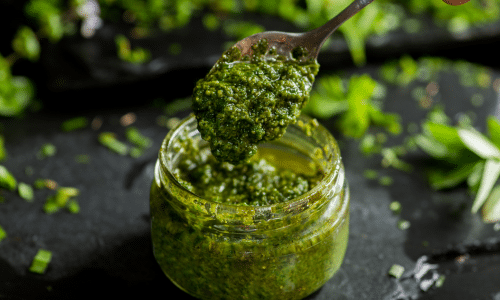
Blend all the ingredients until smooth, and enjoy with pasta or on toasted bread.
Foraged Berry Compote:
- 2 cups freshly foraged berries (such as mulberries, raspberries, or blackberries)
- 1/4 cup sugar
- 1/4 cup water
In a saucepan, combine the berries, sugar, and water.
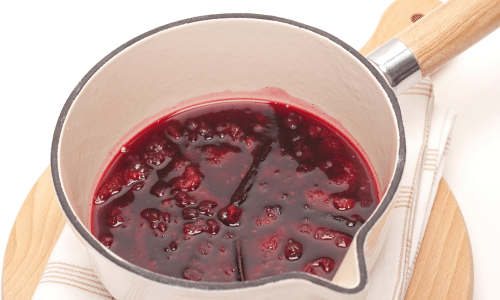
Simmer for 10-15 minutes, until the berries are soft and the sauce has thickened.
Serve over ice cream or pancakes.
Wild Greens Salad:
- 4 cups fresh, mixed wild greens (such as purslane, lamb’s quarters, or sorrel)
- 1/2 cup cherry tomatoes, halved
- 1/4 cup chopped walnuts
- 1/4 cup crumbled goat cheese
- 2 tablespoons olive oil
- 2 tablespoons balsamic vinegar
- Salt and pepper, to taste
Toss the greens, tomatoes, walnuts, and goat cheese together in a large bowl.
Whisk together olive oil, balsamic vinegar, salt, and pepper, and drizzle over the salad before serving.
These dishes are just a starting point.
Use them as inspiration to experiment with your own unique combinations of urban foraged ingredients.
Before You go
Some larger can be restrictive to urban foragers.
Just always be on the look out for community gardens or similar places where wild foods might be available.
Being able to forage in urban green spaces creates a connection between city dwellers and the urban areas and public spaces they live in.
So do your research, check out any foraging groups in the area if need be and see what local plants and native plants you have to enhance your food security.
Start foraging today!

Originally posted 2023-04-25 03:40:44.