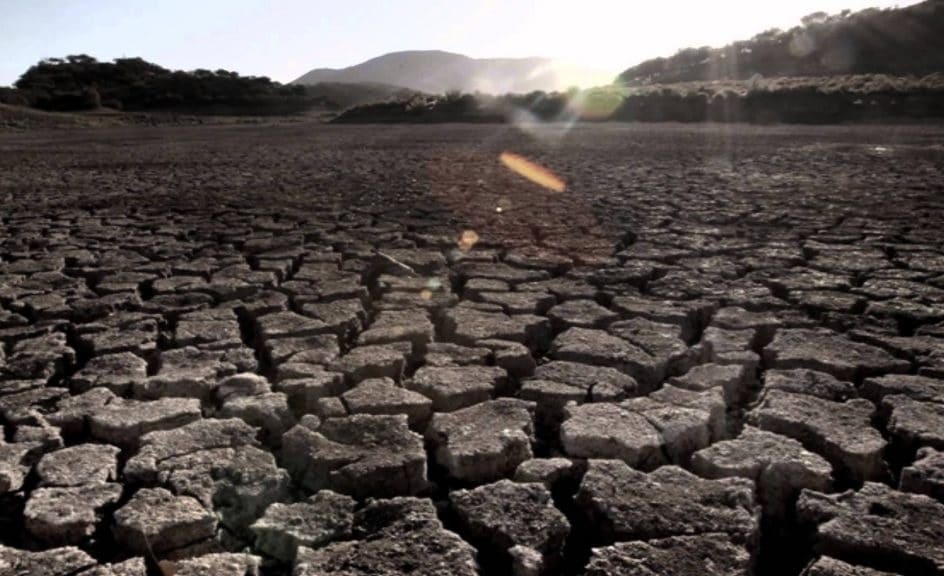
Earthquakes and tsunamis are two of the world’s most destructive natural catastrophes.
Earthquakes are generated by a change in the planet’s uppermost crust’s tectonic plates.
A quake’s effect is exacerbated in regions where the earth is unstable and prone to slide.
A tsunami occurs when an earthquake produces a long, high sea wave to smash on the beach, destroying everything and everything in its path.
While earthquakes are dangerous, tsunamis are even more dangerous because if you are in its path, your only chance of life is to flee to higher ground.
The image below depicts how deadly a tsunami may be.

Awareness
As a prepper, you don’t need to be concerned about the science of earthquakes and tsunamis.
It makes no difference whether the earthquake was caused by a strike-slip or a reversal fault.
What matters is whether or not your neighborhood is prone to earthquakes and tsunamis.
If you live in a location like Japan, which has earthquake-proof structures, you are aware that an earthquake may hit at any moment.
If you live in a quake-prone location and your home overlooks the sea, you should be aware that a tsunami might wipe away your home and all you possess.
In this post, we’ll look at how you may better prepare to deal with the devastation caused by earthquakes and tsunamis.
It would be wonderful if you lived in a country with retrofitting and intelligent building, such as Japan.
However, in most circumstances, this is too costly, and the region in which you reside simply will not be prepared.
As a result, your safety is entirely in your hands.
Surviving an Earthquake – Improve Your Chances
What can you do?
Let’s look at some steps.
Making Your Home Earthquake-Proof
When there is an earthquake, it is always preferable to remain inside rather than outside.
When you’re outdoors, larger items like lampposts, tree branches, and signboards might fall on you.
There’s also the danger of a power cord tripping you and electrocuting you.
So staying inside is unquestionably safer.
That being stated, you must take efforts to modify your home to withstand an earthquake and keep you safe.
It is a good idea to contact a professional and have weaker walls in your home reinforced in case of a strong earthquake.
Your house’s foundation is the most significant aspect of it.
If the foundation is weak, the home may slip and collapse while you are inside.
It is critical that you get it examined.
One simple check is to see whether your home’s mudsill is fastened to the foundation.
Your contractor will need to inspect the bolts and determine if the home is securely fastened to the base.
Reduce the Risk of Objects Falling
Even ceiling fans and chandeliers might come tumbling down on you during an earthquake.
Because the structural integrity of the home is compromised, everything else suffers as a result.
Falling items are one of the most dangerous hazards posed by earthquakes.
That is why, during an earthquake, students in schools are instructed to hide under their desks.
Even if concrete pieces start falling from the ceiling, they’ll be shielded by the desk.
You may, however, take additional precautions at home.
Secure Stuff Down
Make an effort to anchor your furniture and other heavy things to the walls.
To hold your cupboards to the wall, use brackets.
The same is true for your refrigerator and other appliances like washing machines. An L-bracket will suffice.
Remember to reinforce water heaters as well.
Remove any mirrors that are hanging on the wall.
Do the same with ceiling fans and other devices that are attached to your ceiling.
If you utilize fluorescent light tubes or bulbs, these tube lights may come crashing down on the ground after an earthquake, leaving you with shards of glass all over the place to cope with.
Remove all of them and wrap them in old newspaper.
Place them in a secure place, such as a cupboard.
You should also use latches to secure your cabinet doors.
During an earthquake, they may swing vigorously and possibly fly away if the shaking is severe.
Whatever has the ability to move will move.
As a result, it’s preferable to keep everything set and tight.
Some books may advise you to use sticky putty to secure your treasures, china, and other items to the shelf so they don’t slide around.
While this is a useful metric, it might be improved.
How?
Remove everything from your exposed shelves, put everything in a cardboard box, and store it in a cupboard, being sure to lock the cabinet door.
Every thing in the home must be seen as a possible missile that might collide with you or against you.
With this approach, you’ll try your utmost to ensure that everything is as secure as possible.
Whether to stay or to flee
You must pay close attention to the information given to you by the authorities.
If you are given early warning indications, it is recommended to pack your belongings and flee to a location that will not be harmed by the quake.
Do not wait until the last minute, or you will be stranded in huge gridlock as everyone else attempts to leave as well.
If you are in a vehicle and a quake hits, DO NOT LEAVE THE CAR.
Get to an open location with no trees, lampposts, or overhanging wires that might fall on your automobile.
Overpasses should not be parked beneath.
During a quake, an open field is a wonderful spot to park your automobile.
If the quake strikes while you’re driving, come to a complete stop. Do not attempt to flee to a safer location.
When the shaking stops, don’t be too quick to drive away. Aftershocks are always a possibility.
So, give it some time and see what happens.
Help! I’m suffocating!
This is one of the worst possible outcomes.
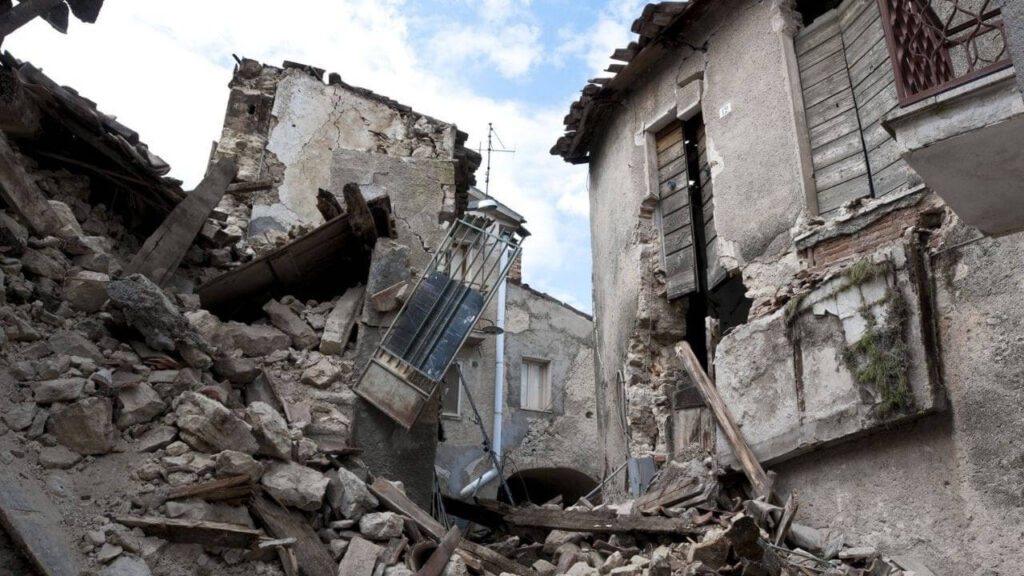
If your home falls and you get trapped under the rubble, you are in a true survival scenario.
Carrying a whistle with you is one of the finest things you can do if you’re anticipating an earthquake.
Make sure that everyone in your household has one. Hold the whistle in your fist and put it under your chin during an earthquake.
If you become stuck beneath rubble and your whistle is near to your lips, you may use it to call for aid.
Keeping your hands at your sides is not recommended since your arm may get trapped and you will be unable to reach for the whistle.
Do not panic or start yelling in a crisis scenario like this. Keep your energy and strength in reserve.
Don’t use a lighter to figure out where you are.
There may be a gas leak, and you could set fire to the whole building.
Wait for assistance and blow the whistle or yell when you hear someone nearby.
If you have an item you can hit against a metal pipe or a wall to signal for aid, do so as well.
Hopefully, you have food and water available to you. If you do, be sure to ration them out properly.
If you have a cell phone, utilize it to call for assistance.
And if no one responds or there is no signal coverage, switch off your phone to preserve battery power and try again in 2 hours.
Keep your spirits up and your faith strong.
Managing Injuries
When things fall on humans during an earthquake, it is typical for them to suffer concussions.
Dizziness, nausea, disorientation, headaches, eyesight difficulties, trouble balancing, and other symptoms are common.
It has lost its sense of direction as a result of the knock to the head, and it is still attempting to come to grips with what occurred.
People suffering from such conditions should lay down, shut their eyes, and relax.
Apply a cold compress to the damaged area to reduce swelling.
If symptoms continue beyond 24 hours, seek emergency medical attention.
Other injuries, such as bruises, lacerations, and minor cuts, may be treated at home with a first aid kit.

If a person has a fracture or a serious cut, it is important to get expert medical attention as well.
Tsunami Preparedness
Unlike an earthquake, which you may ride out at home, tsunamis need prompt action to evacuate to higher ground, and it must be done quickly.
Bring a hand-held radio to listen to alerts and other evacuation instructions.
If you live near the sea and see a rapid drop in the water level, you must instantly get everyone in your family into the vehicle and drive away.
You have just a few minutes to flee to higher ground.
The aim is always to discover the highest land as near to you as feasible.
Do not attempt to create space between yourself and the tsunami by driving straight away.
It will almost always catch up with you.
When you’re short on time, height matters more than distance.
If you reside in a region prone to earthquakes and possibly tsunamis, you must plan your escape route carefully and be well-versed in the area.
Do you know where to find high ground?
How much time will it take you to get there?
Bags for Bug Out
As a survivalist, you must have a bug out pack ready in case you need to go quickly.
It must be packed and ready to leave at the drop of a hat.
Every member of your family should have a bug out bag prepared and know precisely where it is.

If you need to leave, you won’t have time to look. It might be beneficial to practice as a family to improve your response speed.
Everyone should reply to a code word when it is shouted.
Their initial reaction will be to grab their bug out bag and dash to the vehicle, allowing you to go as quickly as possible.
Repeated exercise will make you all speedier and more prepared to respond intuitively.
It is critical to have the proper stuff in your bug out pack.
The most vital thing is water.
It may seem paradoxical that during a tsunami, there would be water everywhere, yet the majority of it will be contaminated.
Make sure you have enough drinking water and food in your bug out pack to last you 72 hours.

Extra clothes, water purification bottles or tablets, a first aid kit, a Swiss army knife, a sleeping bag, duct tape, bug repellent, personal hygiene products, water resistant matches, and a self-defense item are also recommended.
Managing the Aftermath
After an earthquake, you’ll need to inspect your house for structural damage and determine whether or not to remain inside.
If you take refuge in a multi-story structure, avoid using the elevators.
Take the stairs, but keep an eye on your step. You can’t be certain of the staircase’s structural soundness.
As a result, proceed with care.
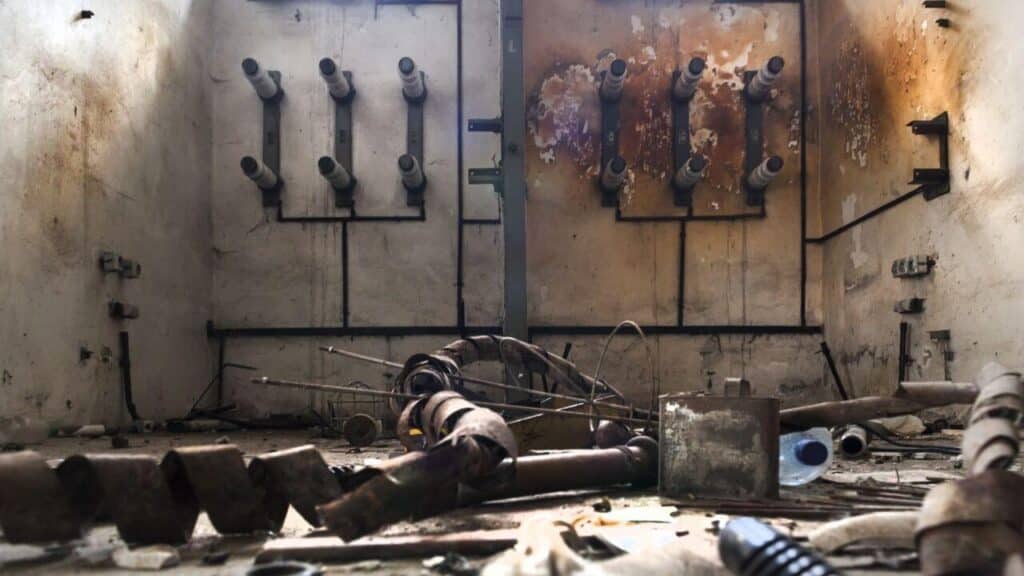
In the case of a tsunami, the devastation might be so severe that you are either left where you are and have no option but to wait for rescue, or you must evacuate the region and go to a non-affected location.
Naturally, where you travel will be determined by your support network.
Do you have relatives in a non-affected region who will allow you stay with them for a week or more?
Do you have enough money to remain at a hotel for a couple of weeks if you don’t have any family?
All of these elements will influence your next line of action.
It’s also crucial not to linger on the possibility that you lost everything in a tsunami or that your ideal house was damaged in an earthquake.
These ideas will psychologically tire you out.
You’ll get melancholy and not be in a good mood.
What important is that you survived, and as long as you’re breathing, there’s still hope for a fresh beginning.
Survive Earthquakes and Tsunamis – Final Words
You must have a survivor’s attitude and believe that you are capable of dealing with anything life throws at you.
Do your homework and prepare ahead of time.
And you’ll have a better chance to survive earthquakes and tsunamis.
Readiness is the mother of luck… and you’ll need all the luck you can get while dealing with these natural calamities.
Prepare yourself.

Originally posted 2022-03-20 09:28:35.