In this post, we will cover some vital tips for preparing your home for a disaster.
At some point in our lives, we will have experienced certain natural disasters, including; wildfires, hurricanes, blizzards, storms, or any other form of disaster.
Fortunately, there is no need to worry as disaster prevention comes in various forms.

Such as:
- knowing the type of natural disaster to expect
- determining the most appropriate ways to deal with the situation,
- and most importantly, how to recover after the disaster.
In this guide, we will outline some simple and brief tips for preparing your home for a disaster:

Know What Type of Disaster to Expect
Each type of disaster has its means of preparation, emergency supplies, and ways of dealing with them.
According to family handyman, the first step in preparing your home for a disaster is to determine the type of disaster to expect and plan accordingly.
Below are some of the common types of natural disasters:
- Floods: This is the most common disaster experience in especially low-lying regions.
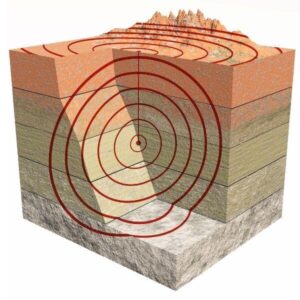
- Earthquakes. They can be experienced anywhere and at any time of the year.
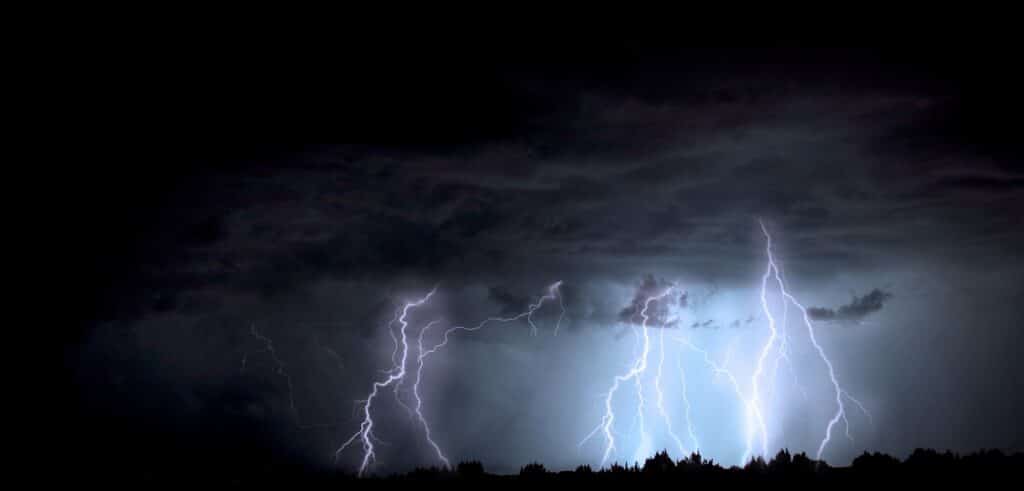
- Storms and Hurricanes: These are very common in the coastal regions from the months of June to November.
- Wildfires are very common in highly forested areas that receive very little rainfall.
- Blizzards: They are experienced in areas where the temperature drops below freezing point.
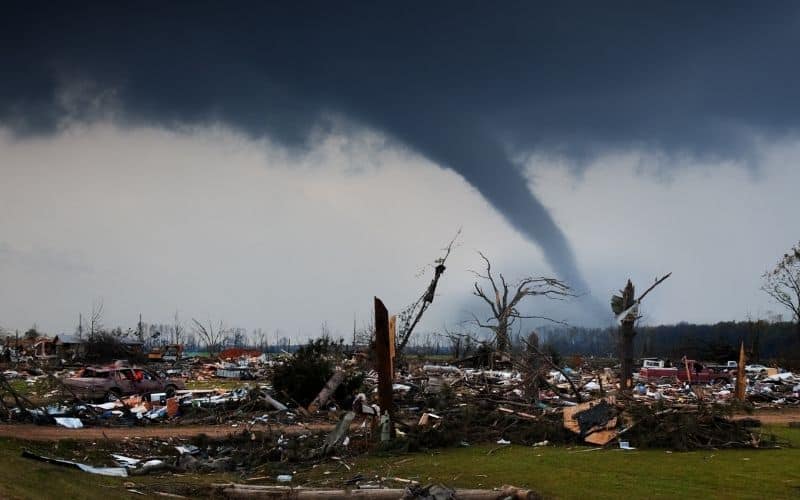
- Tornadoes. They can happen in all states, especially from March to August.
Create an Emergency Plan
Having a natural disaster survival guide is important in ensuring the safety of your family in times of disaster.
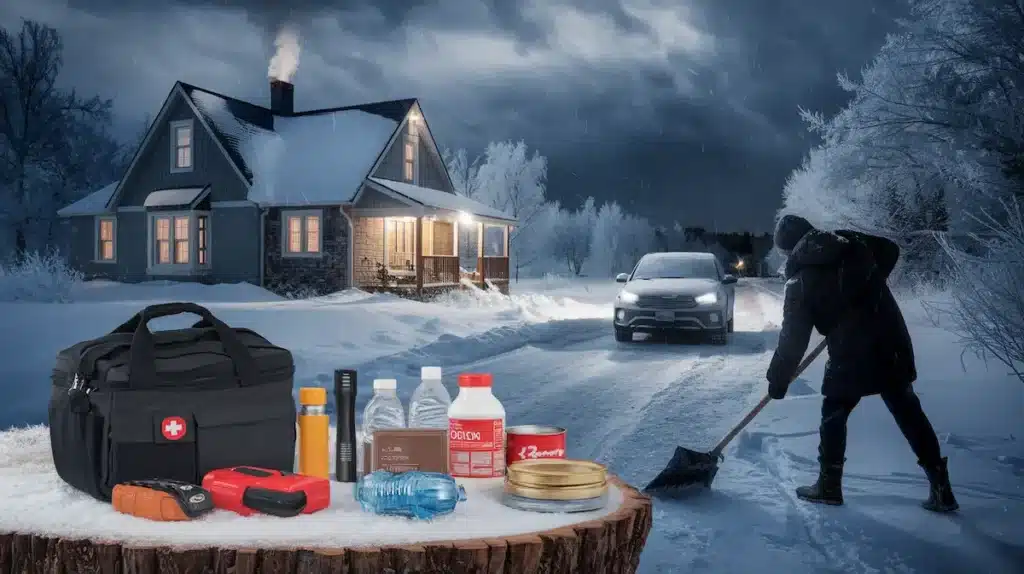
Your emergency plan should include getting a disaster emergency kit that usually contains non-perishable food items, chargers for cell phones, radios for emergency alerts, and medications.
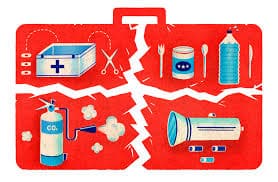
You might also want to make a physical map of your home that shows the different escape routes, checklists, and information about your insurance policy.
When the power goes out, this physical document should be available in both hard copy and digital form.
Also, the document should list some of the most important people to call in case of an emergency.
Sign up for Emergency Alerts
Another effective way of preparing your home for a disaster is by signing up for emergency alerts.

These emergency alerts work by sending notifications to your phone through your service provider, the Red Cross, or the FEMA free app.
In times of disasters, these emergency alerts will guide you on what to do, increasing your chances of survival.
Have a “go bag” Ready
If you plan on evacuating your home in a hurry during times of emergency, it is advisable to have all the essential things you will need packed and ready to go.

Below are some of the vital things that should be in your “go bag”:
- First aid kit
- Three days’ worth of food and water
- Extra batteries
- Cell phone with solar charger or inverter
- Regional maps
- Personal toiletry
- Battery-powered radio and flashlights
- Duct tape, dust masks, and trash bags

You should also consider carrying enough cash to help meet your basic needs.

Once you have all your essentials neatly packed, go through them at least once a year to get rid of expired items.
Reinforce Doors and Windows
According to Good Housekeeping tips, this is important, particularly in a tornado or a hurricane.
This is mainly because tornadoes and hurricanes can cause loose debris to break windows or even doors to fly off.
You should consider installing wind-resistant windows and doors .
Or even reinforcing them with stormproof shutters to keep them well protected against such disasters.
Find Water, Gas, and Electrical lines
If you hear that a storm is coming, you should quickly turn off your home’s water, electricity, and gas connections to prevent fires and flooding.
Power and water lines that aren’t checked can cause a lot of damage to property, especially during a disaster.
Because of this, it is important to know where these lines are and how to quickly turn them off in an emergency.

During evacuation times, you are advised to completely disconnect your home’s gas, electricity, and water supplies.
Look for Fire-Retardant Plants
In areas prone to wildfire disasters, you should consider creating a defensible region around your home and use non-flammable materials, like stone and cement.
Plants in your home garden can fuel the flames and cause the fire to spread toward your house.

So, it is advisable to consider growing fire-retardant plants, like ice plants, sumac, rockrose, shrub apples, and aloe.
Build a Safe Room
This is very important, especially when severe natural disasters strike quickly, making evacuation very difficult.
In such situations, experts recommend people construct safe rooms in their homes.

A safe room is a freestanding room with a roof and walls built of materials well-capable of withstanding the impact of flying and falling loose debris.
Safe rooms are strategically designed to be independent of the house and are securely constructed to a concrete basement floor, outside pad, or ground-level slab.
They are usually built from reinforced welded steel, fiberglass, multiple layers of wood, or concrete block.

What’s more, safe rooms are also the perfect place to store your emergency kits.
Store Everything Properly
Proper storing of essential items makes work very easy in salvaging after the disaster.
For example, you can store food in your freezer to help it last longer in the event of a power outage.
Store dry foods in watertight containers and high enough to avoid contamination.

Health experts say that food should be kept in a fridge where the temperature is below 40 degrees Fahrenheit and in a freezer where the temperature is below 0 degrees Fahrenheit.
This ensures the food remains fit for human consumption.
Safe Return
According to pods, the following are some of the things you need to do after experiencing a natural disaster:
- Check for any damage outside. Walk around the compound of your house to check for issues like fallen or lost power cables, cracks in the foundation, or damaged gas lines.

- Check for damage inside. Walk into your house and look for any damages to your household items.
- Note any sounds and odors. Check for any hissing noise, which may be a gas leak, and immediately seek professional help.
- Document any damage found. This is very important, especially if you plan on filing a compensation claim for the damages suffered.
Preparing Your Home For Disaster: Bottom Line
Natural disasters are usually inevitable.
So, it is important for you and your family to plan and become fully prepared in case they occur.
Start today to make a plan for your family that will help you deal with the effects of natural disasters.

Originally posted 2022-06-02 21:36:16.