Technology is only an aid when we talk about winter emergency preparedness.
One of the first lessons when getting ready for any winter season is that technology will help you survive the winter emergencies, but only if you make the right preparations.
However, technology cannot control the weather.
When severe weather is approaching, you can use technology to get a few days’ notice and then start using your winter emergency preparedness checklist to make sure you have all the supplies, etc., you need.
It will be up to you to use technology correctly if you and your family are going to survive.
Here are some winter emergency preparedness tip sand how to use technology to your fullest benefit.
Watch The Weather
Make sure you have a good battery-operated radio on hand in case the power goes out.
You will want to keep an eye on the weather reports to make sure you know when it is safe to go outside.
The storm may be over but the freezing temperatures may remain.
So be careful and make sure you are prepared for those lower temperatures.
Never be in a Hurry
Snow and ice are very slippery, as is slush.
You do not want to be rushing about as that is when you can slip, trip or fall the easiest.
Here is how you should move about in these conditions:
- Take shorter steps and try to keep both feet on the ground at all times
- Do not overload yourself. A lighter load will help you keep your balance better and see where you are going
- Have footwear with good traction on at all times. You do not want to let your feet get cold
- Salt your stairs and walkways. You want to keep them free from snow and ice. Don’t forget to watch for black ice.
Watch Out for Fires
This may not have crossed your mind since it is winter and there is a lot of moisture on the ground, etc.
But there are lots of different accessories, devices, and mistakes in judgment that can cause a winter fire.
You do not want to lose your home when it is cold outside.
- Holiday decorations
- heating
- candles
- winter storms
- space heaters
- fireplaces
and more can easily start a fire when they are mishandled or a mistake in judgment is made.
Watch Out for Freezing Pipes
You will need running water when it gets cold.
Everyone needs to drink water every day so you will want to keep your water source running freely.
There are ways to keep your pipes from freezing in an emergency and prior to a winter emergency:
- Leave the tap on so that there is a few drops of water coming out all the time. Or you may leave it open enough to have a trickle of water coming out.
- Insulate your pipes to keep the extreme cold temperatures from reaching them. Insulation is found in many forms and there is such a thing as heat tape that may work well in these situations.
- Leave cabinet doors open- this is to allow the heat to reach your pipes. Keep the pipe’s area warm and makes sure the cold weather does not freeze them
If your pipes freeze, make sure to use a hair dryer to thaw them.
A blow torch is not the right tool to use as you can crack the pipes if metal or melt them if plastic.
Check Your Smoke and Carbon Monoxide Detectors
This is a must if you want to stay safe through any emergency.
While you have protected yourself against the cold, the wet, the hunger, and the thirst, you will still be vulnerable if you do not make sure your detectors are working properly.
These devices protect you when you are sleeping and can’t see any fires and you won’t be able to see carbon monoxide.
Protect yourself fully from these hidden dangers.
Also, if your detectors are old, replace them.
They may only last about 10 years so you will want to get new ones even if they are about 7 to 8 years old.
Never run your generator inside your home
Keep it outside and just run the power lines inside for your protection.
Make sure all your batteries are fully charged for the detectors and have fully charged backups ready to go in case there is a problem.
Use the following outside as well:
- charcoal grill
- camp stove
- gasoline
- or other charcoal-burning devices
Stock up on first-aid items
Being prepared for any emergency, including most medical ones, is essential to surviving a winter emergency situation.
People can get hurt at any time of the year and it just seems worse when it is cold out.
Stock up on:
- medicines
- gauze
- anti-bacterial creams,
- bandages
- and more to stay ready just in case.
Make sure to store your first aid kits in easy-to-access locations.
Prescription medicine may be hard to get during these times so make sure to refill your prescriptions before an emergency happens.
Driving
Not everyone can stay at home as they need to work, get more supplies, or check on family and friends.
If you do have to go out make sure to follow these winter emergency preparedness tips:
- Remove all the snow from every part of your vehicle. This provides better visibility and stops flying snow that flies back into the person’s windshield behind you. Try to keep everyone safe
- Have an emergency kit in your vehicle so you can stay warm if you have an accident, there is a downed tree, or some other obstacle hindering your progress. Don’t go out to get help and don’t use up all the power in your battery.
- Use de-icing fluids on key parts like windshield wipers head and tail lights, etc., as well as put snow tires on your car.
- Watch for ice on bridges overpasses and low-traffic roads. These areas are high-risk accident areas when there is ice on the roads
- It is best not to use cruise control when driving on snow or ice
Watch Out for Hypothermia and Frostbite
These are two dangers that can cause your body a lot of damage, if not end your life.
The best thing to do is to know the symptoms [1] so you can take the right steps to stop these ailments from doing their destructive work.
For hypothermia, the symptoms are:
- shivering
- exhaustion
- fumbling hands
- memory loss
- confusion
- slurred speech
- or drowsiness.
If you see these try to get help asap but make sure the person is bundled up so they do not get worse
For frostbite, the symptoms are- numbness, red, white, or grayish-yellow skin, or hard or waxy-looking skin.
Frostbite attacks the extremities first.
Usually, the fingers and toes but the nose and ears may get it as well.
Winter temperatures can take their toll on a person very quickly.
If you are not dressed right and are exposed to those cold elements for a long time, these two ailments can get to you and ruin your health.
Don’t Forget Your Pets
When it comes to winter emergency preparedness tips, we need to not forget pets.
They need warm shelter, food, and water just like you do.
The best way to take care of them is to bring them inside your home with you.
Don’t leave them outside.
When you walk them, do not forget to wipe the snow and ice off their paws. They can still get sick if you don’t.
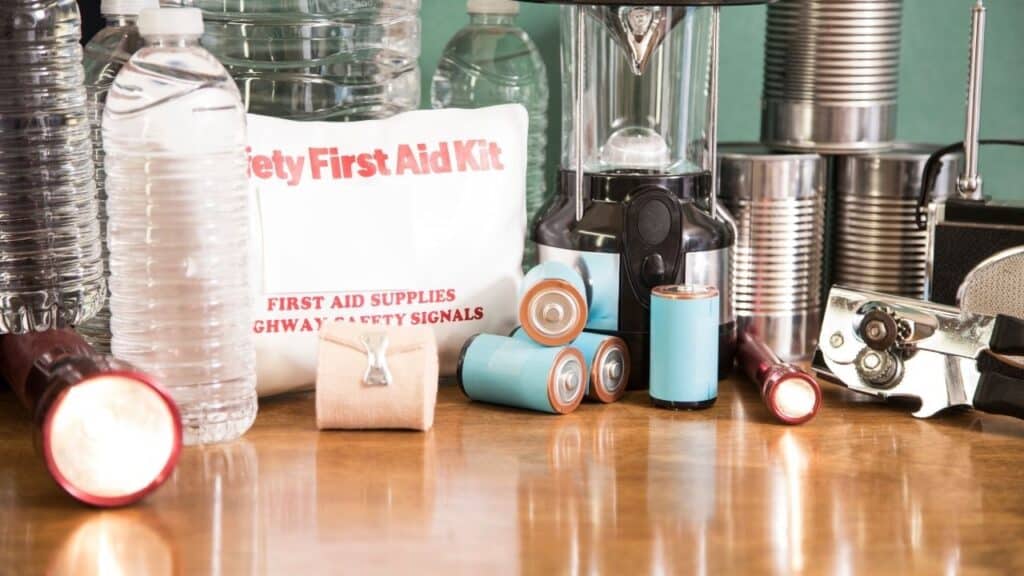
A Winter Emergency Checklist
Here are things you should stock up on and have on hand when a winter emergency hits your area:
- Water, at least three gallons of water per person
- Food, at least a three-day supply of non-perishable food per person
- Prescribed medications
- Battery-powered or hand-crank radio
- Flashlight and extra batteries
- First aid kit
- Whistle to signal for help
- Pet supplies
- A complete change of clothing and footwear for each person
- Bedding
- Important family documents
- Extra clothes and blankets
If you think of other necessities do not be afraid to add them to this list.
Rechargeable batteries and a battery charger may come in handy as well if you have power.
Don’t forget to winterize your home and seal up drafty areas that have leaks in the caulking, etc.
Before You Go
Being prepared is the smart way to go.
You never know when a bad winter emergency will hit.
Along with all these preparations, make sure to have a meet-up place and an emergency contact number in case you get separated from your family.
Having a place to go is another big survival step when emergencies arrive.
Also, do not forget to clean your gutters, have a backup heat source, and make sure your home has no air leaks.
If you know of any other winter emergency preparedness tips, please let us know.

Originally posted 2022-12-27 08:50:32.