

In the warm months of the year
One of the nice things about having summer is that you do not have to worry about heating your home.
You may need to turn the heat on in the middle of the night to get rid of the chill but that is about it.
The biggest heating problem you will have is when the months are still cold at night and some catastrophe knocked out your electricity.
But do not worry, there are some great ways to keep your home warm during those cold, electric-less nights and days.
Keep reading to find out how you can keep yourself and your family warm and heat your home without electricity.
Different ways to heat your home without electricity
In the modern-day push to use electricity, grids can get overloaded and the power will just shut off.
You do not need a catastrophe to face this issue.
But it will be good practice for when a catastrophe strikes.
Here are some good options to heat your home without electricity.
Or want to cut your electrical bill down to size.
#1. Invest in a wood stove
This is not a great option for those people living in apartments and some larger cities.
But if you are in the suburbs or have access to a good wood supply, it is the perfect way to heat your home.
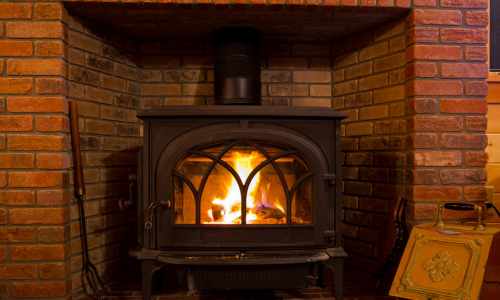
A good wood stove takes a lot of time to burn through wood each day and with heat rising, you may install it in a basement or lower floor and heat your whole house.
These top devices put out a lot of heat that should keep your home nice and warm throughout the cold months of the year.
#2. Use a pellet stove
They look and act like a wood stoves but their fuel source is different.
If you do not have a good supply of wood, then when you are in the city or other locations, this may be a great option.
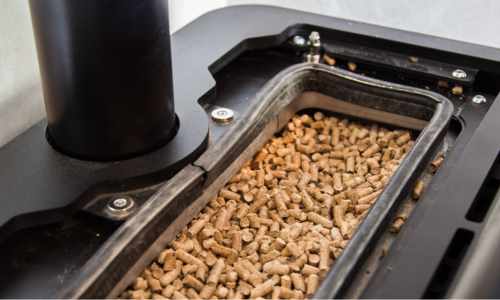
The pellets are made from recycled sawdust, wood shavings, and similar waste material.
They burn like wood putting out a large amount of heat that should cover your entire home.
While they come in different sizes and designs, the drawback to this option will be their initial cost.
They can be expensive to buy but their fuel lasts a long time.
#3. Try a kerosene heater
If you have a good fuel storage tank that is not doing anything or a 55-gallon drum that you can attach a pump to, this is a good heating option.
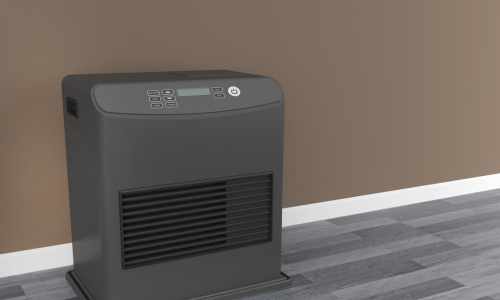
Just locate the heater in a safe spot and fill the fuel tank up.
Once it is lit, the flame will heat the area around it.
The biggest drawback will be the fumes.
You may need a vent to move those fumes out of your home or buy a ventless heater.
The other drawback is the kerosene odor.
It would be wise to open a window a crack to get rid of that odor.
#4. Build a candle heater
This may require several such devices for each room of your home but they do work and produce some heat.
The way to build these devices is simple and it takes a few fireproof items to get it done right.

All you need is some candles placed in a small area.
Then place some bathroom tiles in a pile to hold the clay pot.
Light the candles and then turn the clay pot over and place it on the tiles.
The heat from the candles should heat up the clay pot and that heat should radiate out into the room.
The biggest drawback to this method will be the possible fire hazard.
#5. Turn to your Fireplace
That is if your home has one.
In the old days, fireplaces were the only source of heat a home had.
There is a trick to using it though.
You have to understand how to work the flue to make sure the heat goes out into the room while the smoke goes up the chimney.
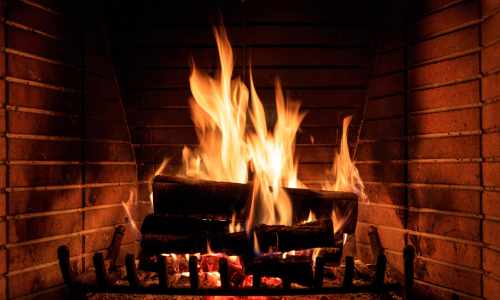
The biggest drawback to this option would be having a source of wood to burn.
A cord should last a while but you may need two or three cords of wood to make it through the winter.
One good source of wood would be all those wood pallets shipping companies use to move different products.
#6. Biofuel cans
This is a 7 to 9-hour heat source but it is supposed to be environmentally friendly as well as inexpensive.
You should be able to buy these biofuel cans at larger hardware stores or camping stores.
They are 100% petroleum free and you can use them to cook on if you own an electric stove.
The major drawback is that the fuel does not last a long time and you would need to store quite a few cans to make it worth it if the electricity is going to be off for a long time.
Also, they can and do sit on your storage shelf for a long period of time.
This fuel has an unlimited shelf life and is good for short-term emergency situations.
#7. Propane heaters
Due to the popularity of the RV industry, these heaters can be found anywhere.
While they may or may not be big enough to heat your whole house, you can find propane just about anywhere.
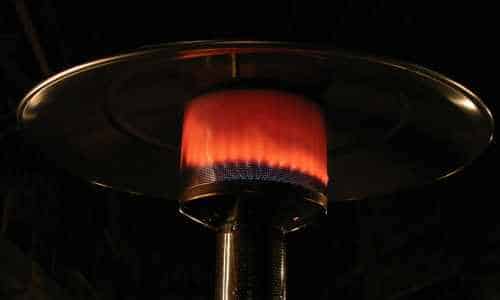
This clean fuel source shouldn’t hurt the environment but watch out for carbon monoxide gas.
Also, you should have them vented to keep fumes out of your home.
The biggest drawback to this heating source is its explosive nature.
But they are a good heat source even if you live in an apartment.
They are small to fit in RVs so they should work in your apartment if you have enough space.
#8. Make your own electricity
If the power goes out, there is still a way to use your electrical appliances and furnaces.
One way to generate electricity is to use wind power.

Having a small windmill on your property will help you get enough energy to heat your home.
It is also environmentally friendly as well as easy to install.
The biggest drawback to this option would be the lack of wind.
There will be those days when the wind won’t blow so have a back up system ready to go.
Unfortunately, the wind should be blowing at about 14 mph for your home batteries to get enough power to run your electrical appliances.
#9. Make your own electricity 2
Instead of relying on the wind, you can rely on the sun to generate enough electricity.
Solar power is getting cheaper to use every year.
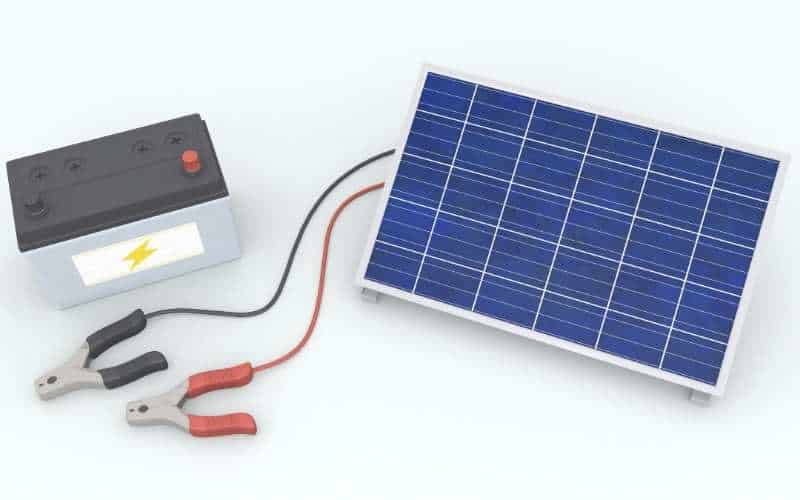
With enough panels and batteries, you should be able to store enough power throughout the day to warm your home at night.
The only real drawback to this option would be the amount of sun your home gets each day.
You will want to have enough solar panels to capture as much sunlight as possible.
This may mean that you have some on both sides of your pitched roof or placed somewhere in your yard to capture all the sunlight you can.
#10 Buy a generator
This is probably not as expensive as buying a wood or pellet stove but it works in an emergency.
You can use a generator to provide enough electricity to help run your furnace.

The biggest drawback to this option is that a generator is very noisy and it takes fuel to run.
The cost of regular gas or diesel may not make this a cost-efficient method but like biofuel cans, it is good for an emergency.
Tips for staying warm on a cold day
To offset the lack of electricity, and to use your alternative heat sources only when actually needed, here are some tips to stay warm.
#1. Use cold-weather sleeping bags at night or during the day
#2. Block or seal any air leaks, crevices, or holes.
#3. Wear extra layers to keep the cold air away from your body
#4. Open the blinds or curtains during the day to heat your home, and then close them at night to keep the heat inside
#5. Wrap yourself up in blankets and put some down for your pets so they can get warm as well
#6. Make sure to drink plenty of hot chocolate, coffee, tea, or other hot drinks
Some final words
Knowing how to heat your home without electricity is not a problem.
It is not a problem if you take the right steps to prepare for these emergencies.
This preparation may mean stocking up on cut firewood or other pieces of wood or buying lots of fuel.
Your method of heating your home when there is no electricity is up to you and some methods are better than others.
Pick the method that will work for your living situation and the size of your home.
You can always pick a warm room to limit the amount of heat you consume.
Please let us know if you use other methods to heat your home without electricity.

Originally posted 2023-03-31 00:18:12.


