It’s no secret that we’re rapidly depleting our natural resources.
Fossil fuels are running out, and they have been the energy we’ve been relying on for so long.
Also, in this day and age, we are constantly looking for ways to save money and be more environmentally friendly.

That’s why it’s more important than ever to find alternative sources of energy.
In this article, we will discuss different ways you can generate energy from home using renewable resources.
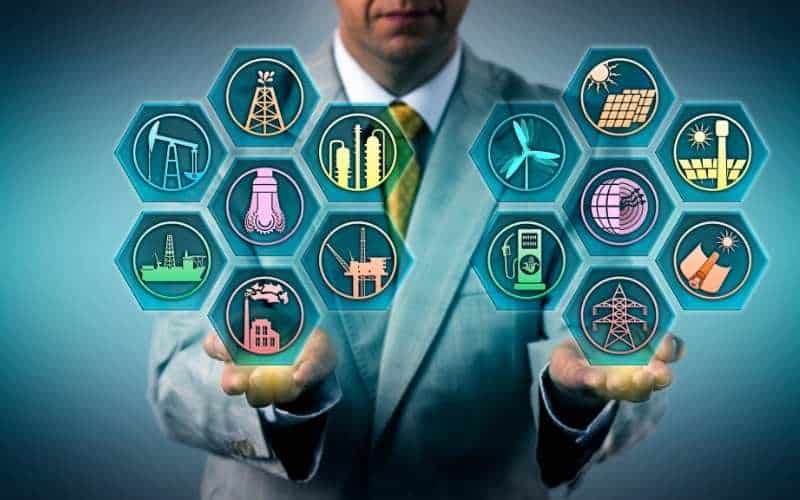
We’ll also talk about the benefits of generating your energy, and some of the challenges you may face along the way.
So read on to learn more!
How to Generate Energy from Home
1. Solar Power
You can use solar power to generate energy for your home in a few different ways.
The most common way is to install photovoltaic (PV) panels on your roof.

These panels convert sunlight into electricity that you can use to power your home.
The panels generate power during the day and it doesn’t have to be sunny for them to be effective although they will generate more energy on sunnier days.
The energy generated during the day can be stored in batteries and used at night or during a power outage.
The excess power can be sold back to the grid.
The main advantage of the solar panel is that they don’t produce any emissions.
They also save you money on your electricity bills.
If your home is a good candidate for solar panels.
This involves looking at factors like:
- the orientation of your roof
- the amount of sun your home gets
- and the type of roof you have.
You’ll also need to decide what type of solar panel system you want to install.
There are two main types of solar panels: monocrystalline and polycrystalline.
Monocrystalline panels are made of a single crystal of silicon.
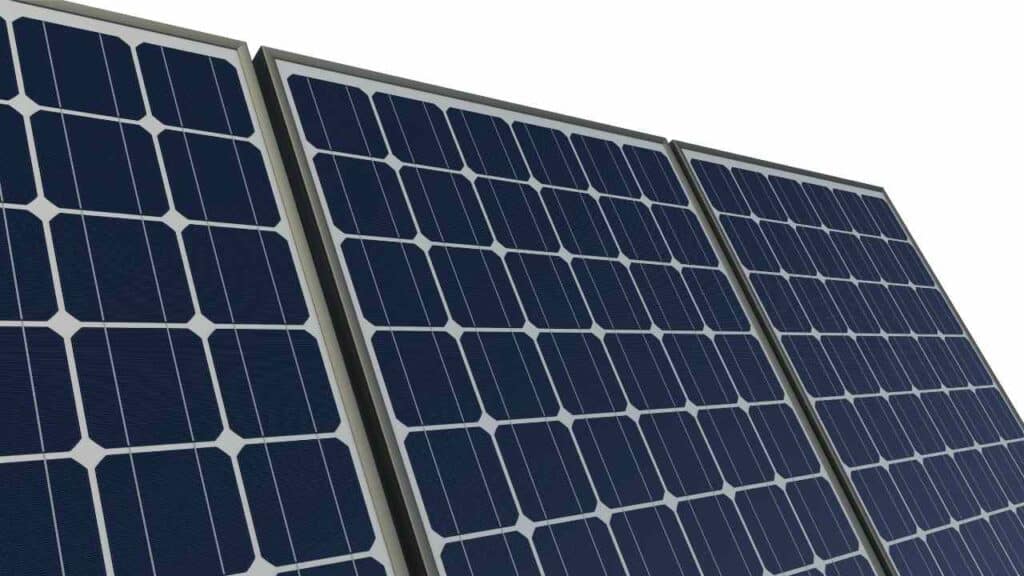
While polycrystalline panels are made of multiple crystals of silicon.
Once you’ve decided that solar is right for you, the next step is to find a reputable installer.
This is an important decision, as you want to make sure your solar panels are installed correctly.
Finally, once your solar panels are installed, you’ll need to maintain them.
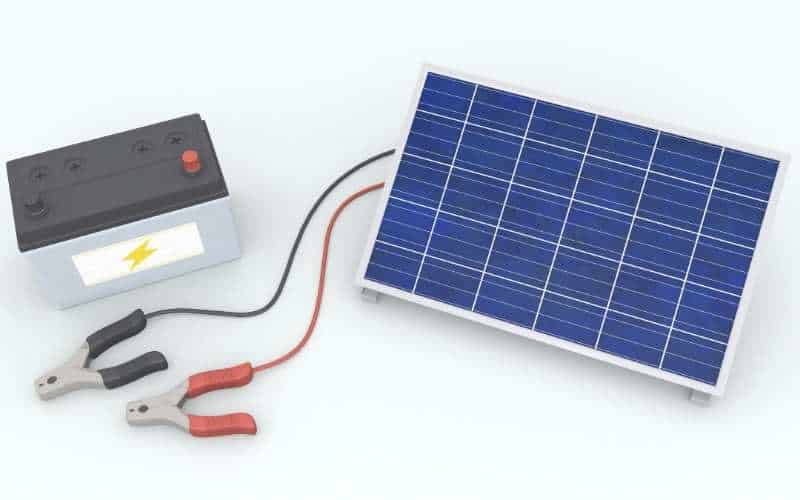
This includes cleaning them regularly and checking the inverter to make sure it’s working properly.
2. Biomass systems
Biomass can be used to generate electricity, heat, or fuel.
There are several ways to do this:
- Burning biomass in a power plant to generate electricity
- Using biomass to produce heat or steam, which can be used for space heating, domestic hot water, industrial processes, or electricity generation
- Converting biomass into a liquid or gaseous fuel, such as biodiesel or methane, can be used for transportation or electricity generation.
The basic principle of all biomass energy systems is the same: they all use organic matter to produce energy.

The type of technology used and the end product produced will vary depending on the type of biomass and the desired outcome.
Several different types of biomass can be used for energy, including:
- wood
- crop residues
- animal manure
- and municipal solid waste.
For instance, animal manure can be used to produce methane gas, which can then be used for electricity generation or cooking.
3. Air Source Heat Pumps
An air-source heat pump is a renewable energy device that uses heat from the outside air and then heats your home or gives you hot water.
The device extracts energy from the air and converts it into usable electricity.
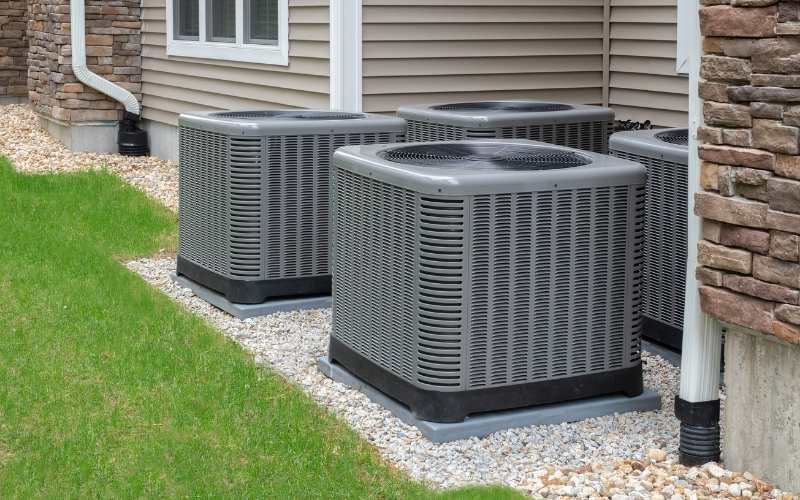
It can be used to power homes, businesses, and even automobiles.
This technology is still in its early stages, but it has the potential to revolutionize the way we generate and use energy.
This method is more effective compared to traditional methods such as petrol, diesel, and coal.
How does it work?
The device consists of a compressor, an evaporator, and a condenser.
The compressor compresses the refrigerant, which evaporates and absorbs heat from the outside air.
The refrigerant then passes through the condenser, where it releases the heat and condenses back into a liquid.
The cycle then repeats itself.
The main advantage of this technology is that it is renewable and does not produce carbon emissions.
It is also relatively cheap to operate and maintenance costs are low.
Another advantage is that it can be used in any climate, whether it is hot or cold.
4. Wind Turbines
Wind turbines are one of the most efficient and popular ways to generate energy from home.
They work by spinning blades that turn a generator to create electricity.
Wind turbines can be used to power your home, business, or even a community.
The working principle of a wind turbine is very simple.
The blades of the turbine catch the wind and rotate.
This rotates a shaft inside the turbine which is connected to a generator.
The generator then produces electricity.
The main benefit of wind turbines is that they are a renewable energy source. This means that they will never run out of energy and can provide a long-term source of power.
Wind turbines are also very efficient, with some models able to produce enough electricity to power an entire home.
Another benefit of wind turbines is that they are relatively low maintenance.

Once they are installed, they can last for many years with little need for repairs.
Wind turbines are also environmentally friendly, as they do not produce any emissions or pollutants.
5. Solar Water Heaters
These are water heaters that use the sun’s energy to heat water.
They are very efficient and can save you a lot of money on your energy bill.
You can either purchase a solar water heater or you can build one yourself.
The components of a solar water heater include a solar collector, a storage tank, and a backup system.
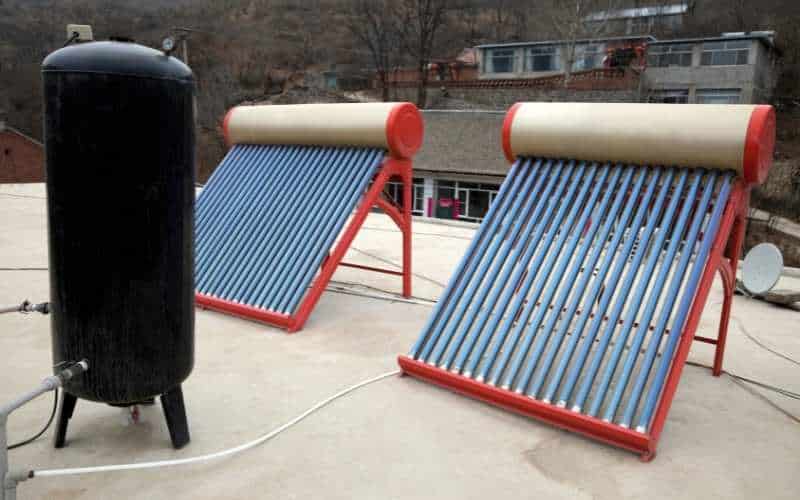
The solar collector is the part of the system that collects the sun’s energy.
There are two types of solar collectors: flat plate and evacuated tube.
The storage tank is used to store the hot water that is generated by the solar collector.
The size of the storage tank will depend on the size of your household and your hot water usage.
The working principle of a solar water heater is quite simple.
The sun’s energy heats the water in the solar collector.
This hot water is then stored in the storage tank.
When you need hot water, it is drawn from the storage tank and sent to your taps.

If you are interested in generating energy from home, then a solar water heater is a great option.
Not only is it environmentally friendly, but it can also save you a lot of money on your energy bill.
What are the Benefits of Generating Your Own energy?
The benefits of generating your own energy are many.
By generating your own electricity, you can:
- save money on your utility bills
- become less reliant on the grid
- and even produce income by selling excess electricity back to the utility company.
In addition, generating your energy can help reduce your carbon footprint and protect the environment.
Conclusion
Overall, there are many ways to generate energy from home.
By utilizing renewable resources, you can not only save money but also help the environment.
Talk to your local energy provider to see what options are available to you.
You may be surprised at how easy and affordable it is to generate energy from home.
Start making the switch today and see the difference for yourself!

Originally posted 2022-06-18 20:43:37.