What are the forgotten foods our ancestors really ate?
Unless your family has kept a thorough record of their diet, it is hard to say.
What one ancestor ate, another might have ignored or reacted horribly to.
Rest assured that our ancestors had the same nutritional needs as we do today.
They did not have preservatives other than salt or other modern food packaging to keep their food safe while it waited to be consumed.

They did struggle for food at times, and their diet may not have been a regular one we are familiar with today.
However, there are some forgotten foods that we can identify that our ancestors ate but that we do not eat today.
12 forgotten foods we may not eat today
Many people may be put off eating these healthy foods simply because of their names.
Plus, one may not be able to cook it, as cooking instructions have been lost over time.
Here are some food items that may interest you or have you turning your nose up at them.
They are not the most interesting-sounding names.
Roots
This would include:
- Rehmannia root
- Wu He Shou
- Maca root
- Burdock root
- and ashwagandha root

These are not your modern garden variety roots, but they are supposed to be high in nutrition and help your immune system ward off diseases, etc.
These roots are not like carrots, potatoes, or even sweet potatoes.
but they are healthier than the roots we eat today.
Fruits
One of the great aspects of breeding is that you get to introduce elements to different animals and fruits and vegetables.
Many modern fruit trees, bushes, and plants have been bred to be sweeter than they originally were.
That adaptation helps get kids to eat fruit and get the nutrition their bodies need.
Yet, the fruit that our ancestors ate did not have the benefit of genetic engineering.
They ate fruit items like hawthorn and shisandra berries.
The former is like an apple but without the delicious taste.
The latter is like a raisin that has been dressed up with allspice and citric acid.
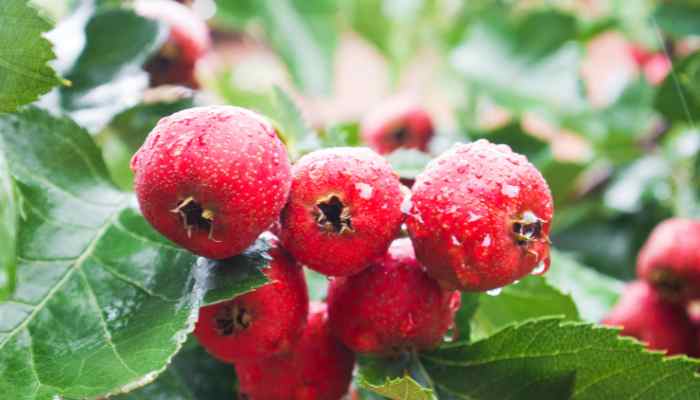
Hard on the taste buds but great for your body’s health.
Beaver tail
Yes, you read that right.
The belt of the beaver was sought after as it made great caps for the winter.

Why did our ancestors eat this body part?
It was loaded with saturated fat that could be broken down into sugar elements that were perfect for energy boosts.
For ancient societies, this was their source of healthy fat.
The beaver stored it in their tail and all it took was a little roasting and our ancestors had the calories they needed for another day.
Lard
This product had been in use up until about the Second World War and may still be in use in some rural areas of any country.
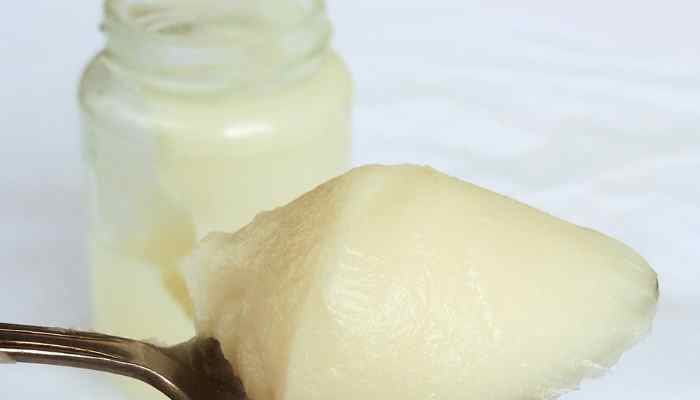
If you do not know what lard is, it was the ancients’ cooking oil.
The process to turn animal fat into lard was called rendering and it made sure that the animal fat was good to eat as well as to cook with.
Usually, lard is made from a special breed of pig and the good news is that while it could go bad, it never grew mold.
Squirrel
Another animal that was popular to eat in days gone by.
And it may still be a delicacy for some families that do not have the money to go to the store and buy regular meat.
Source: Wildmeat
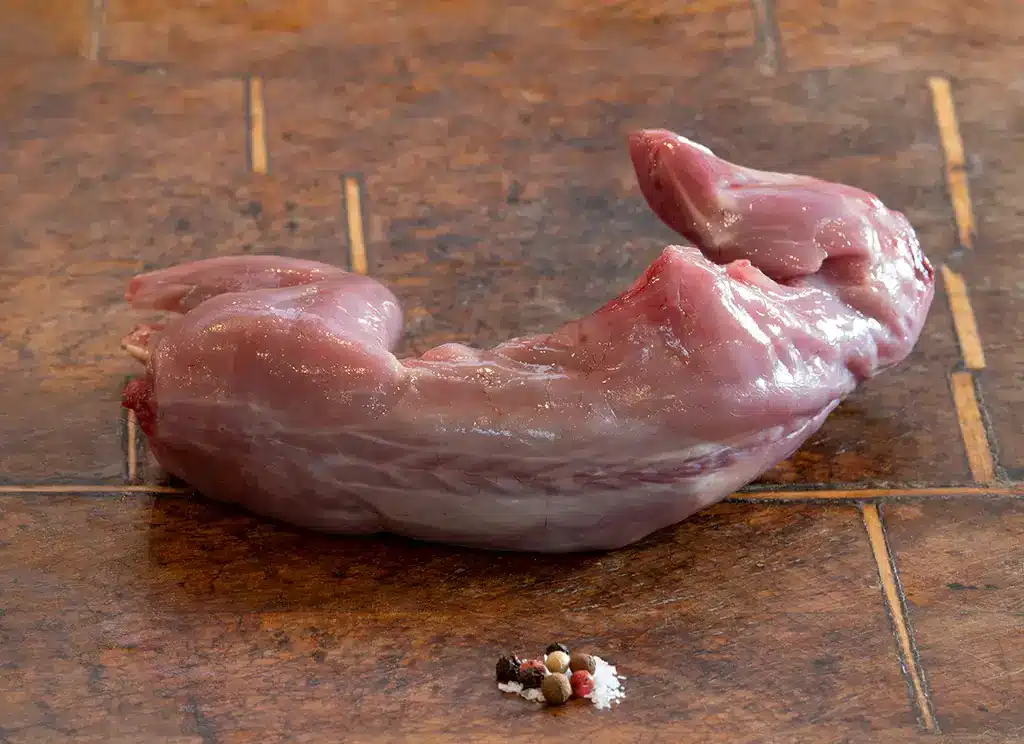
You may not like to see those cute animals killed, skinned, and roasted over an open fire, but back in the day, it was a great source of nutrition.
Also, there were more than enough squirrels to hunt so a family of four could have enough meat to eat with their vegetables.
Animal organs
Just the name of it may turn you off as the eating of animal organs went beyond eating the liver.
Cow liver is sold and eaten all over the world but you may be hard-pressed to find the livers, hearts, and other organs of other animals in your local grocer.

Asian countries, like South Korea, eat different organs from different animals.
In South Korea, there are specialty restaurants dedicated to specific organs of animals.
If you are not familiar with the language, you won’t know which organs those restaurants are serving.
Chicory coffee or tea
Coffee beans and tea leaves can be hard to come by at times.
That meant that a substitute had to be found.
Before coffee beans and tea leaves were exported to different regions of the world, most people had to use chicory root or some other root to make their tea or coffee.
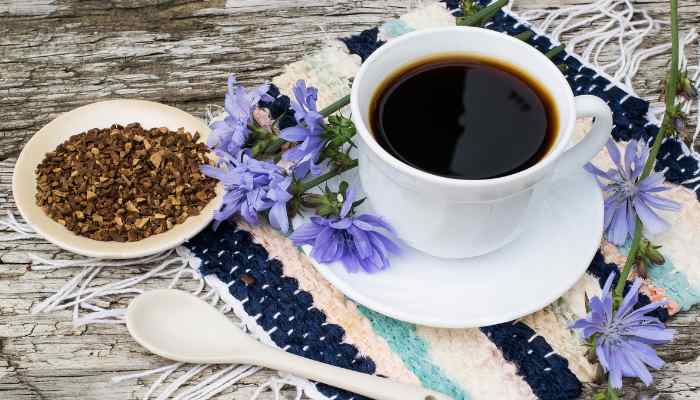
Ancient populations would minced, roasted, ground, and then added hot water to make their morning cup of coffee and get the day started off right.
One of the good things about these ancient food items is that you may still find some people using them as their ancestors did a thousand or more years ago.
Borage
This is a very pretty looking plant that has fallen out of favor many years ago.

Why that is so is hard to explain, but it once was a staple of the ancient diet.
It does attract bees and repels the tomato horn worm so it is a great plant to have in your vegetable garden.
Both the leaves and flowers are edible, and they make a great addition to any salad.
They add a little cucumber taste to your salad to help brighten the nature of the salad.
When you add these leaves and flowers to your meal, you are adding a great source of:
- calcium
- potassium
- iron
- and all of the other nutrients found in leafy greens
- as well as GLA, an essential omega-6 fatty acid.
Mugwort
Again, the name of this plant is not very appetizing, but it has a variety of uses that made it a valuable plant for ancient civilizations to grow.
Plus, it could be grown in rocky soil which gave new use to unusable ground.
The leaves can taste like lettuce and these leaves were often used in salads, making tea, and beer, and was dried to be used as a seasoning for meat and fish.
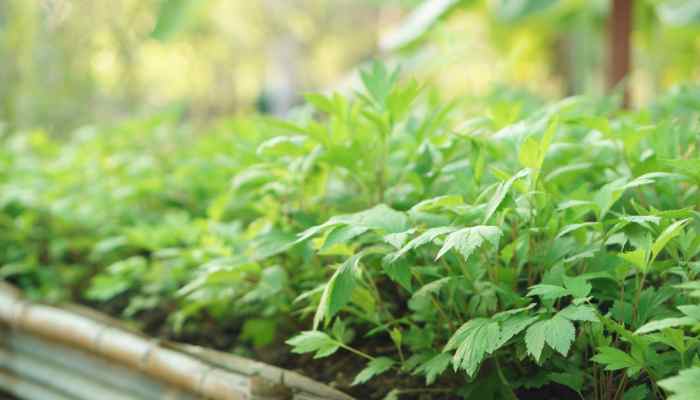
This plant had a great many medicinal uses as well.
It was used to treat:
- treat cramps
- vomiting
- constipation
- diarrhea
- menstrual cramps
- anxiety
- insomnia
- depression
- and irritability.
Purslane
This is a common plant you can find growing in your brick fence or other concrete gaps.
It is said to grow everywhere yet most people do not eat it anymore.

However, this plant has been a dietary ingredient for thousands of years.
These lemony-flavored leaves are packed with vitamins, and omega-3 fatty acids, and can be ground to make flour.
They are also great in salads when you do not have spinach or other leafy vegetables.
You will find it more in arid or dry regions of the country than in other regions.
Salsify
This is the other carrot.
This vegetable is a root and is often known as the white carrot.
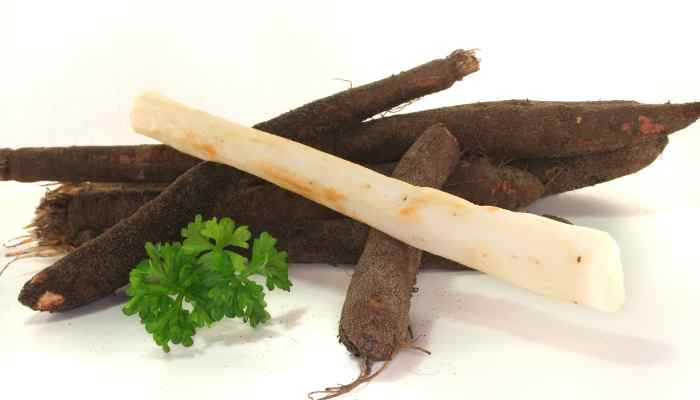
Sometimes it is called an oyster plant because of its oyster-like flavor.
The good news here is that there is no special technique to cook this vegetable.
Just cook them like you would carrots.
Plus, the greens can be added to your salad.
They have about the same nutritional value as carrots and other greens.
Egyptian onions
Or walking onions.
The latter name was given to them because when the flowers dropped to plant more seeds, this plant looked like it was walking.
This above-ground plant has been used for thousands of years by different populations and may still be found today.

Also, this completely edible plant can be used like scallions or other onions when you make a stew, etc.
But watch out for the taste as it is stronger than regular onions.
What can make them even more popular is that they do not have to be replanted every year.

Honorable Mention: Rodents
This category of animals can include rabbits which are delicious and considered a delicacy for many people and restaurants.
But rodents also include mice and rats.
When you are out of food even these creatures look tasty.

They may have some nutritional value, as some American native tribes used to hunt down baby mice, dip them in honey, and then eat them whole.
Before You Leave
When you put some thought into it, you will find that there are a lot of healthy foods our ancestors ate that we no longer do.
That is too bad, as those food items will go a long way toward stretching your food budget when you do not have a lot of money to spare.
The names may not attract you enough to eat them.
But if you get past the names, you can add more healthy food items to your diet.
Let us know if you think we missed some forgotten foods.

Originally posted 2023-01-05 15:30:53.