The practice of wild foraging, or gathering food from the wild, has been around for centuries.
In recent years, it has seen a resurgence in popularity as people seek to connect with nature and live more sustainably.
Wild foraging offers numerous health, environmental, and economic benefits.
This makes it an appealing option for those looking to incorporate more natural and locally-sourced food into their diets.

This comprehensive guide will explore the basics of wild foraging, from its definition and benefits, to essential equipment and safety considerations.
Get ready to discover the secrets of wild foraging and learn why this ancient practice is making a comeback.
What is Wild Foraging?
Wild foraging is the act of gathering food from the wild, such as plants, berries, nuts, and fungi, for personal consumption.
This practice has been used by humans for centuries and was once a necessary means of survival.
It involves identifying and harvesting food in its natural state, often from forests, fields, and other wild areas.
Wild foraging is distinct from traditional foraging, which involves the cultivation of food in a garden or farm setting.
And, discover the best wild edible and medicinal plants in the natural world.
Benefits of Wild Foraging
Health benefits
Wild foraging has a number of health benefits for those who practice it.
Firstly, wild foraged food is often fresher and more nutrient-dense than food that has been transported from far away.
Secondly, wild foraged food is often free from harmful additives and preservatives that are commonly found in commercially-raised and processed foods.
Additionally, the physical activity involved in wild foraging can help improve cardiovascular health and increase overall physical fitness.
If you are harvesting wild edible weeds for their leaf, it’s common sense to harvest them before they flower to maximize the nutritional content.
Environmental benefits
There are also numerous environmental benefits to wild foraging.
By harvesting food from the wild, foragers reduce their carbon footprint and the energy required to transport food long distances.

Wild foraging also promotes biodiversity and helps preserve the natural environment by reducing the need for commercial agriculture.
Foragers can also learn to identify and appreciate the various species of plants and animals in their local area.
This can help increase environmental awareness and conservation efforts.
Economic benefits
Finally, wild foraging can also have economic benefits.
By gathering food from the wild, foragers save money on groceries and reduce their dependence on commercially-raised food.
Additionally, wild foraging can provide access to fresh, locally-sourced food, which supports local economies and reduces the need for large-scale agriculture.
Furthermore, foragers can share their excess food with others, helping to build strong and resilient communities.
Essential Equipment for Wild Foraging
When it comes to wild foraging, having the right equipment can make all the difference.
Identification guide
Firstly, an identification guide is an essential tool for any forager.
This guide will help you identify the different edible plants in your area, as well as provide information on their uses, preparation, and potential dangers.
A good field guide should be easy to use and include detailed illustrations or photos of each plant, along with detailed descriptions.
Harvesting basket
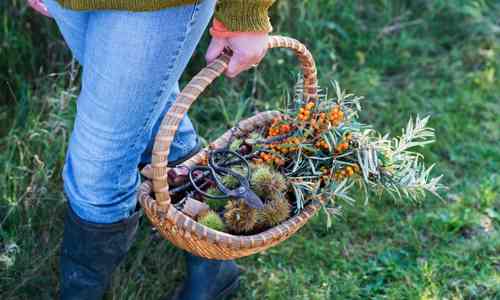
A harvesting basket or bag is also an important piece of equipment for wild foragers.
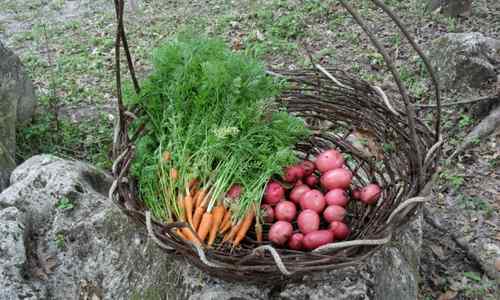
This basket or bag will help you transport your finds back home, and should be sturdy and waterproof to protect your food.
Look for a basket or bag with a comfortable handle or strap, and enough room to hold a substantial amount of food.
Hand pruners or snips
Finally, hand pruners or snips can be a useful tool for harvesting wild plants.
These tools can be used to cut branches or stems of plants, and make it easier to collect large quantities of food.
Look for pruners or snips with a comfortable grip and durable blades, and make sure to keep them sharp and in good working order.
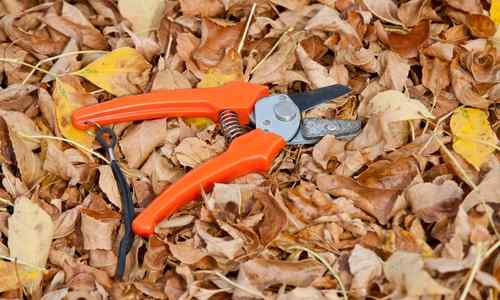
In addition to these three essential pieces of equipment, you may also want to consider bringing along other items, such as a knife or a compass, depending on your foraging goals and the local environment.
The key is to be prepared, and to have the right tools for the job.
Wild Foraging Techniques
Proper identification
When it comes to wild food foraging, proper identification is key.
It is important to know exactly what you are picking, as some wild plants can be poisonous or toxic.
Always consult a reliable identification guide before harvesting any plants, and make sure you are familiar with the different characteristics of the plants you are looking for.
Pay attention to leaf shape, color, and texture, as well as the overall growth habit of the plant.
If you are unsure, it is best to err on the side of caution and not pick the plant.
Harvesting
Harvesting wild plants properly is also an important aspect of wild foraging.
When harvesting, it is important to only take what you need, and to leave enough behind for the plant to continue to grow and thrive.

When harvesting leaves, stems, or roots, try to take from several different plants rather than just one, so as not to deplete the population.
It is also important to be respectful of the environment, and to avoid damaging other plants or wildlife.
Preservation
Preserving the food you gather is an important step in wild foraging.
This can include cooking, drying, or preserving your food in other ways.

For example, wild berries can be made into jams or syrups, while wild greens can be dried and stored for later use.
The methods you choose will depend on the type of food you have gathered, as well as your personal preferences.
The key is to make sure your food is stored in a way that will keep it fresh and safe for consumption.
Common Wild Foods to Forage
There are lots of wild edibles for you to consume.
Some do depend on where you are geographically.
People who live in temperate climates or the northern hemisphere for example will encounter many wild plants that others won’t.
Berries
Berries are a common type of wild food that can be foraged.
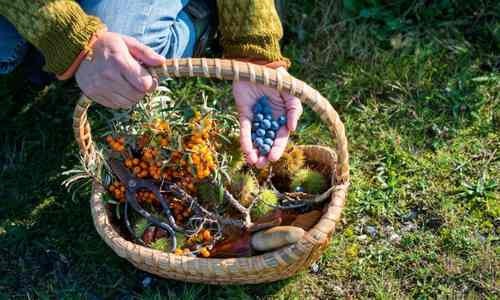
Examples of wild berries include blackberries, raspberries, blueberries, hawthorn berries and elderberries.
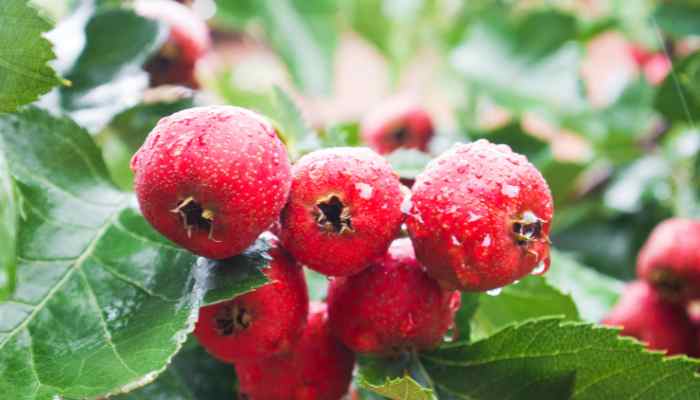
Berries can be eaten fresh, used in recipes such as pies, jams and syrups, or dried for later use.
They are a great source of vitamins, antioxidants, and fiber, making them a healthy addition to any diet.
Fungi
Fungi, such as mushrooms, are another popular wild food to forage.
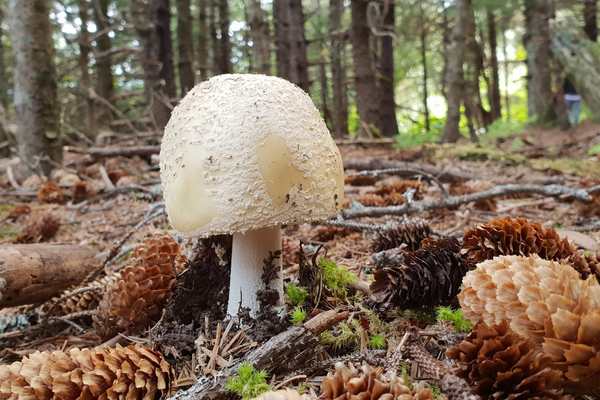
Examples of edible fungi include chanterelles, morels, shiitake, and porcini.
These versatile ingredients can be used in a variety of dishes, from soups and stews to omelets and stir-fries.
They are also a good source of protein and vitamins.
Nuts
Nuts, such as acorns, hickory nuts, and walnuts, are also commonly foraged in the wild.
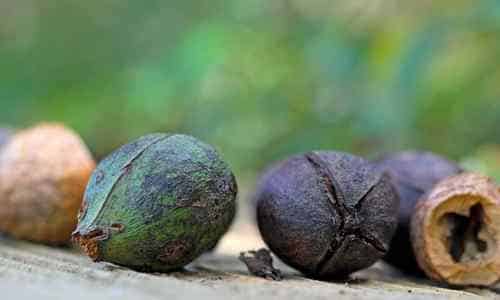
These nuts can be eaten raw, roasted, or ground into flour.
They are a great source of healthy fats and protein, making them a tasty and nutritious snack.
Edible weeds
Edible weeds, such as dandelion, lambsquarters, and purslane, are often found growing in wild and urban areas.
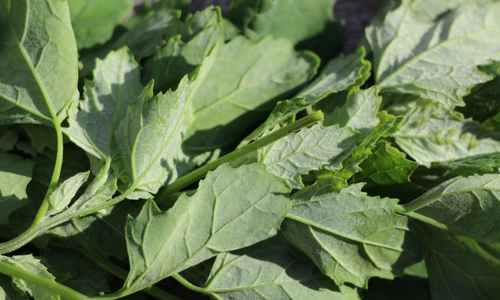
These plants are often considered pests, but they are actually highly nutritious and flavorful.
They can be eaten raw in salads, sautéed as a side dish, or used as a substitute for spinach in recipes.
Wild greens
Wild greens, such as wild garlic, nettles, and sorrel, are another common wild food to forage.
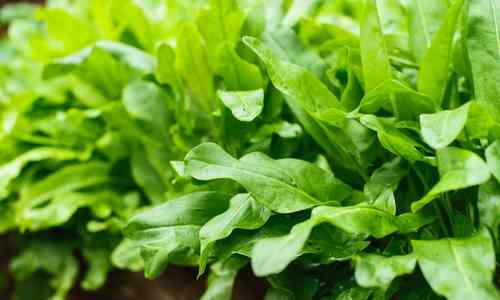
These greens are packed with vitamins, minerals, and antioxidants, making them a healthy addition to any diet.
They can be used in a variety of dishes, from soups and stews to pestos and smoothies.
Whether you are an experienced forager or just starting out, these common wild foods are a great way to supplement your diet.
As well as experience the natural flavors of the outdoors.
Safety Considerations for Wild Foraging
Poisonous plants
One of the main safety concerns is the risk of consuming poisonous plants.
Some plants look similar to edible ones and can be easily confused, leading to serious health problems if ingested.

It is important to have a good identification guide and to know the characteristics of each plant before consuming it.
It is also recommended to start by foraging for easily recognizable and well-known edible plants, such as blackberries and dandelions, before moving on to more exotic and potentially dangerous plants.
Avoid poison hemlock, poison ivy, and poison sumac.
Foraging in urban areas
Foraging in urban areas can also pose safety concerns, as some areas may contain pollutants or toxic substances.
It is important to research the area you plan to forage in and to avoid areas that may be contaminated, such as near highways or industrial areas.
Also, if you do want to forage plants, be careful not to do so near busy roads.
Some edible species might be sprayed with toxic pesticides.
Before You Go
When foraging for wild plants, there are many plants hat are considered edible.
From the health benefits of consuming fresh edible berries and other amazing wild food, to the environmental benefits of reducing waste and preserving natural habitats, to the economic benefits of reducing food costs, wild foraging is a practice worth exploring.
Preserving this ancient practice is also important, as it allows us to connect with our ancestral roots and to understand the importance of living in harmony with nature.
With the increasing popularity of foraging, it is important to remember the importance of sustainable foraging.
And to ensure that wild habitats are protected and preserved for future generations.
So, why not try wild foraging for yourself?
Whether you are foraging for food, medicinal plants, or just for fun, you are sure to find something truly special in the wild.
FAQ
How do beginners do forage?
- Beginners can start by researching and learning about common edible wild plants in their area, using a reliable identification guide, and foraging with an experienced mentor.
What should you avoid when foraging?
- When foraging, it is important to avoid plants that are poisonous, plants that have been exposed to pollution, and plants found near roads or highways.
How do you properly forage?
- Proper foraging involves using a guide to accurately identify plants, harvesting sustainably and ethically, and taking steps to preserve the foraged food.
How can you tell if a wild plant is edible?
- To determine if a wild plant is edible, it is crucial to accurately identify the plant and to understand its edibility and potential health risks.

Originally posted 2023-03-06 00:14:23.