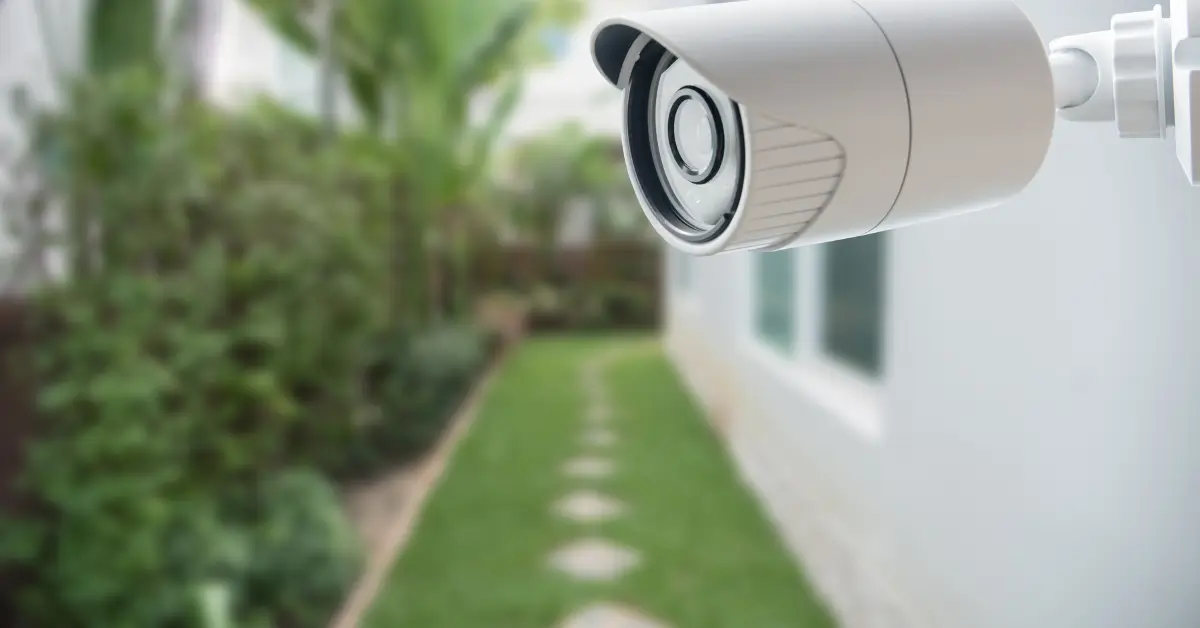
In today’s world, keeping your home safe is more important than ever.
This guide helps you take charge of your safety with DIY security systems.
It’s perfect for anyone, whether you’re just starting with emergency prep or have been doing it for years.
We’ll cover key parts of a self-reliant security system, like motion sensors and off-grid options.
You’ll discover how to spot and fix weak spots in your home.
This will help you build a strong defense, no matter where you live.
Understanding the Basics of Home Security for Preppers
Home security is key for disaster readiness.
As a prepper, protecting your home and family is essential.

Let’s look at the main parts of a strong home defense system.
Assessing Your Property’s Vulnerabilities
First, check your home’s weak spots.
Look for easy entry points like ground-floor windows or dark areas.
Make sure door and window locks are strong.
Also, don’t overlook entry points like basement windows or garage doors.
Creating a Layered Defense Strategy
A layered defense is important.
Start with outer protection like fences or hedges.
Next, add burglar alarms and motion sensors. Inside, reinforce doors and have safe rooms.
Each layer helps keep you safe.
Security Considerations for Urban vs. Rural Settings
Urban and rural areas need different security plans.
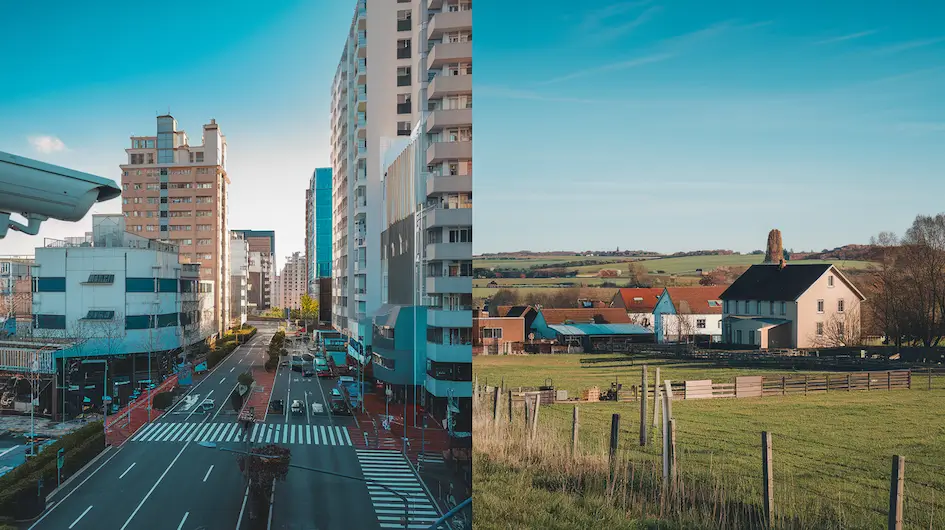
Cities focus on quick police response and high-tech alarms.
Rural areas need self-reliance and long-term plans.
Think about these when setting up your security:
| Urban Security | Rural Security |
|---|---|
| High-tech alarm systems | Off-grid power for security devices |
| Reinforced doors and windows | Perimeter fencing and gates |
| Neighborhood watch programs | Long-range surveillance cameras |
| Secure parking areas | Guard dogs and livestock as alarms |
Effective home security means tailoring these basics to your needs.
Keep practicing and updating your plans.
This way, you’ll always be ready.
DIY Security Systems for Preppers: Essential Components
Building a strong security system is key for preppers.
We’ll look at the main parts of a DIY setup to keep your home and family safe.
Motion Detection Systems and Sensors
Motion detectors are your first defense.
They use infrared to detect movement and set off alarms.
Put them by doors and in living areas for full coverage.
Surveillance Camera Setup and Placement
CCTV cameras are your surveillance system’s eyes.
Set them up at doors, windows, and around your property.
Choose weather-resistant ones with night vision for constant watch.
Access Control Methods and Implementation
Lock down your entry points with smart locks and keypads.
These systems let you control who gets in.
Think about biometric options for extra security where it matters most.
Emergency Power Backup Solutions
Power outages shouldn’t stop your security.
Get backup power like solar panels or generators.
They keep your alarms and cameras running when it counts.
| Component | Function | Placement |
|---|---|---|
| Motion Sensors | Detect movement | Entry points, hallways |
| CCTV Cameras | Visual surveillance | Exterior walls, driveway |
| Smart Locks | Access control | Doors, gates |
| Backup Power | Maintain system operation | Utility room, garage |
With these key parts, you’ll have a solid DIY security system.
It gives you peace of mind and keeps your prepper lifestyle safe.
Building Your Perimeter Defense System
A strong perimeter defense is key for survival.

Your property’s outer boundary is the first defense against threats.
Let’s look at ways to strengthen your home’s perimeter.
Natural Barriers and Landscaping Techniques
Smart landscaping boosts your perimeter security.

Plant thorny bushes under windows and along fences.
Use large rocks or water features to block paths.
These elements look good and keep intruders away.
Fencing and Entry Point Protection
Strong fencing is vital for security.
Choose tall, solid fences with few gaps.
Secure gates with good locks and add alarms.
Remember, your fence is part of your security system, not just a boundary.
Lighting Systems and Motion-Activated Solutions
Good lighting scares off criminals and helps cameras work better.
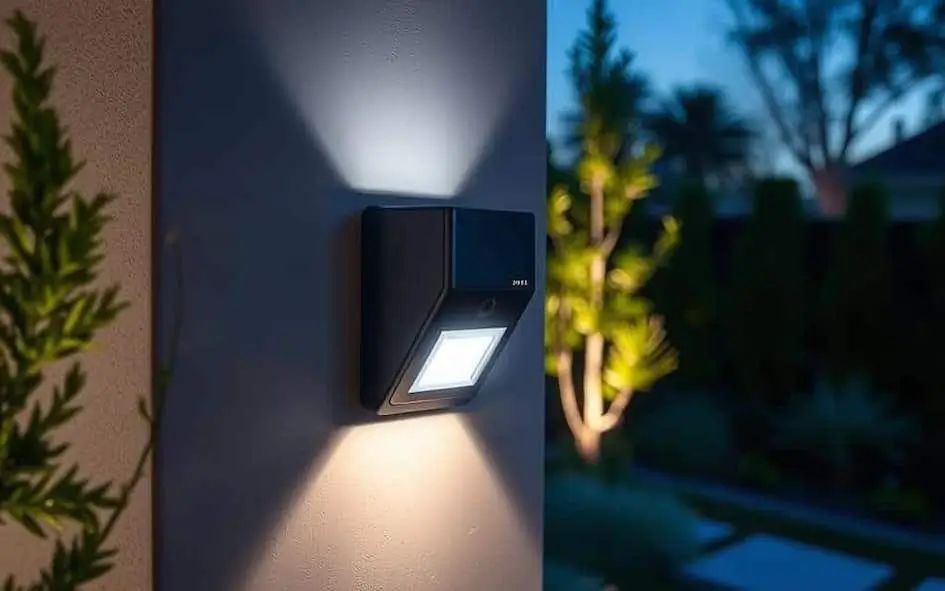
Put up motion-activated lights around your property.
Solar lights are perfect for off-grid homes.
Smart lighting makes your area safer and supports your security systems.
| Defense Element | Benefits | Considerations |
|---|---|---|
| Natural Barriers | Blend with landscape, low maintenance | Seasonal changes, growth time |
| Fencing | Clear boundary, physical obstacle | Installation cost, local regulations |
| Lighting | Deters intruders, improves visibility | Power source, light pollution |
By mixing these elements, you build a strong perimeter defense.
This solidifies your home’s security.
It’s a key part of your overall security plan, including safe rooms and advanced cameras.
Off-Grid Security Solutions and Self-Reliant Systems
In off-grid living, keeping safe is key.
You need security that doesn’t need the power grid.
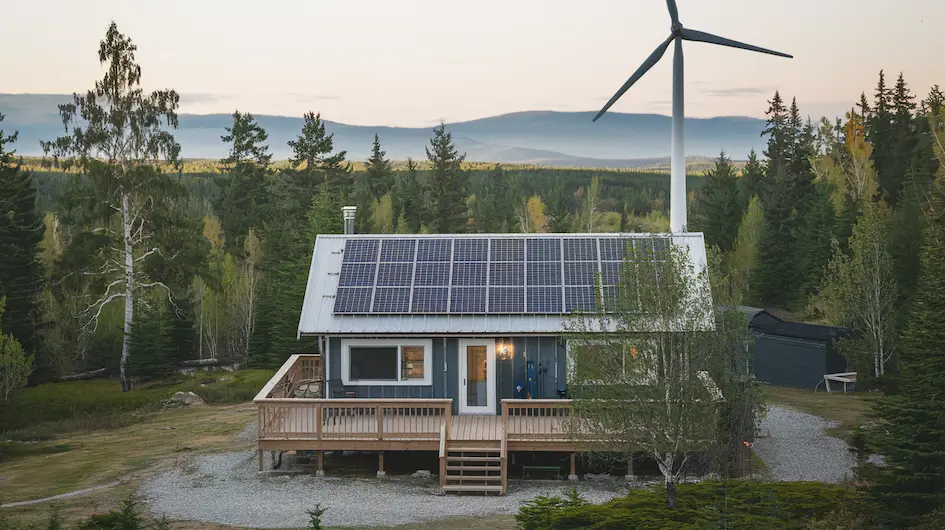
Learn how to guard your home with self-reliant systems and survival gear.
Solar-Powered Security Equipment
Solar power changes the game for off-grid security.
It lets you power cameras, sensors, and alarms with sunlight.
Many devices today have solar panels, so they keep working without grid power.
Mechanical vs. Electronic Security Measures
Electronic systems have cool features, but mechanical security is vital.
Things like strong locks, tough doors, and window bars offer real protection.
They don’t need power.
Use both for the best security:
- Mechanical: deadbolts, window bars, safe rooms
- Electronic: solar-powered cameras, battery-operated alarms
Redundancy Planning for System Failure
Backup plans are key in off-grid living.
Make sure you’re covered even if something fails.
This could mean:
- Multiple power sources for electronic devices
- Backup manual alarms
- Trained guard dogs as an extra security layer
With these off-grid security solutions and survival gear, you’ll have a strong defense for your home.
It’s ready for anything.
Creating a Safe Room and Emergency Response Plan
A safe room is key to being ready for disasters.
It’s a secure place for you and your family to go in emergencies.
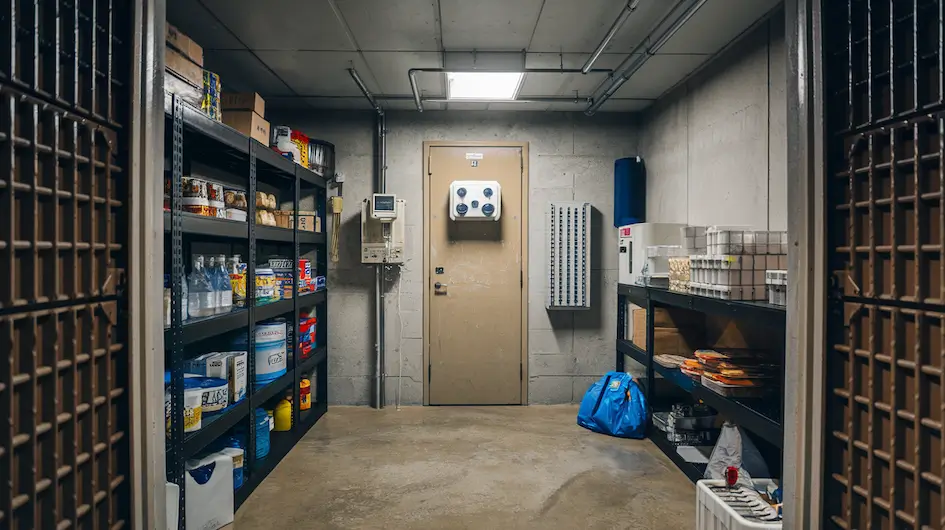
When making your safe room, keep these points in mind:
- Location: Pick a spot away from windows, best on the ground floor
- Reinforcement: Use strong materials like concrete or steel for walls and doors
- Ventilation: Make sure there’s good air flow
- Communication: Get a reliable phone or radio
Your emergency plan is just as critical.
It should cover different situations, helping you act fast in emergencies.
Make sure your plan includes:
| Plan Component | Description |
|---|---|
| Family Communication | Find a way to reach family members |
| Evacuation Routes | Plan several ways to leave your home |
| Emergency Contacts | Write down important phone numbers and addresses |
| Supply Checklist | Make a list of survival items you need |
Self-defense and survival skills are also important.
Practice drills to improve your plan.
This way, everyone knows their part in an emergency.
A well-made safe room and a good emergency plan will greatly increase your family’s safety.
Before You go
DIY security systems are essential for preppers to protect their homes.
You’ve learned to identify risks and plan a strong defense.
Remember, being self-reliant is critical in emergencies.
With these DIY security steps, you’re ready to handle uncertainties.
Stay safe and keep prepping!

Originally posted 2024-12-23 00:29:58.