Being ready for tough times is smart.
You can learn many valuable skills at home to be more prepared.
These skills can help you handle emergencies and be more self-reliant.
Learning prepper skills at home gives you practical knowledge without spending much money.
You can practice things like first aid, food storage, and basic repairs in your own space.
This hands-on learning makes you more confident and capable if you ever need to use these skills for real.

Here are 7 prepper skills you can learn at home.
1) Gardening for Food
Growing your own food is a key prepper skill you can start at home.
You don’t need a big plot of land to begin.
Even a small balcony or windowsill can work for container gardening.
Start with easy-to-grow veggies like tomatoes, lettuce, and herbs.
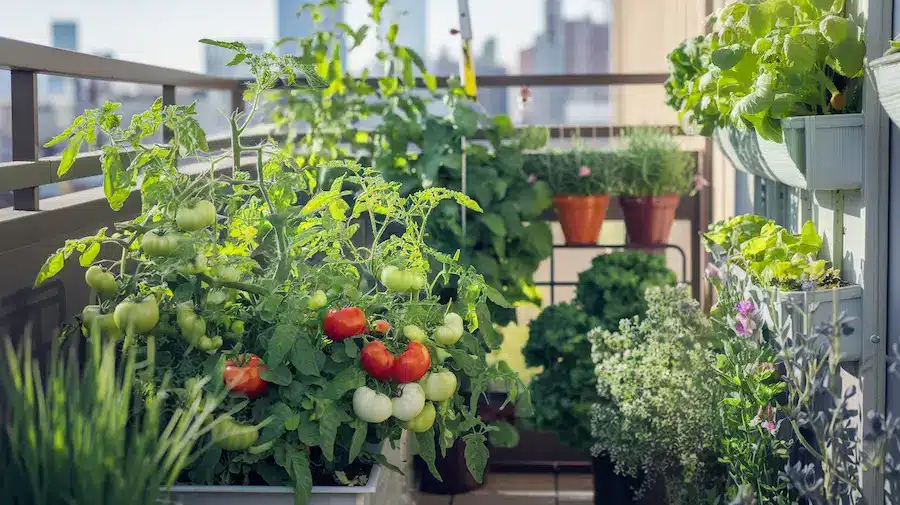
These crops are nutritious and don’t take up much space.
Learn about composting to make your own fertiliser from kitchen scraps.
Try different methods like vertical gardening to maximise space.
Experiment with seed saving to ensure a continuous supply.
With practice, you’ll be able to grow more of your own fresh food.
2) Basic First Aid Skills
Learning first aid skills at home can be a game-changer for preppers.
You can start by practicing how to clean and dress wounds properly.
This simple skill could prevent infections in an emergency.
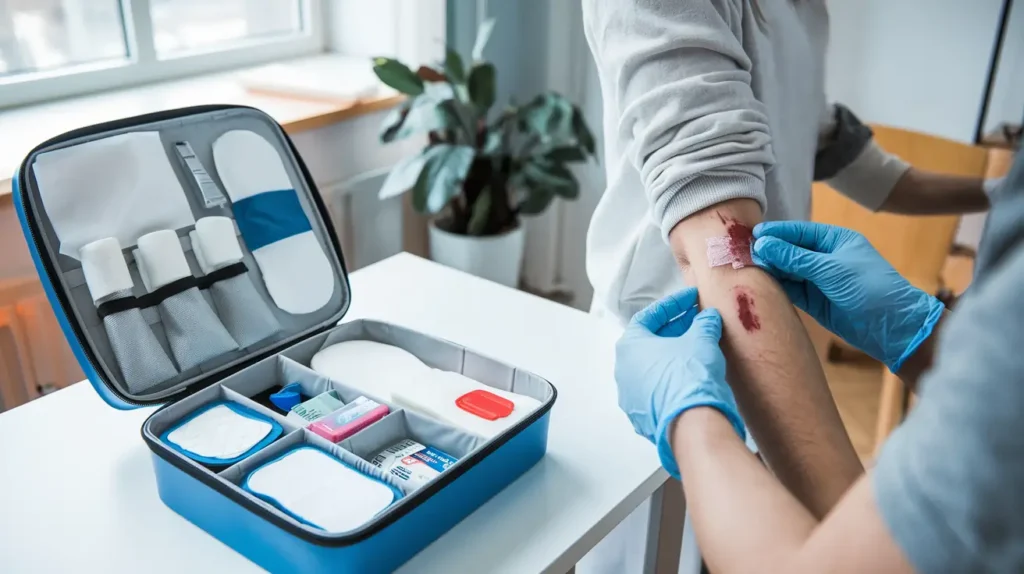
CPR is another crucial skill to master.
You can use online videos or even a pillow to practise chest compressions.
Knowing how to perform CPR might save a life one day.
Remember to treat burns and stop bleeding.
These are common injuries that you might face.
Learning to handle them calmly can make a big difference.
Remember, first aid skills need regular practise.
Set aside time each month to refresh your knowledge.
This way, you’ll be ready to help when it matters most.
3) Making Natural Soap
Making your own soap at home is a useful prepper skill.
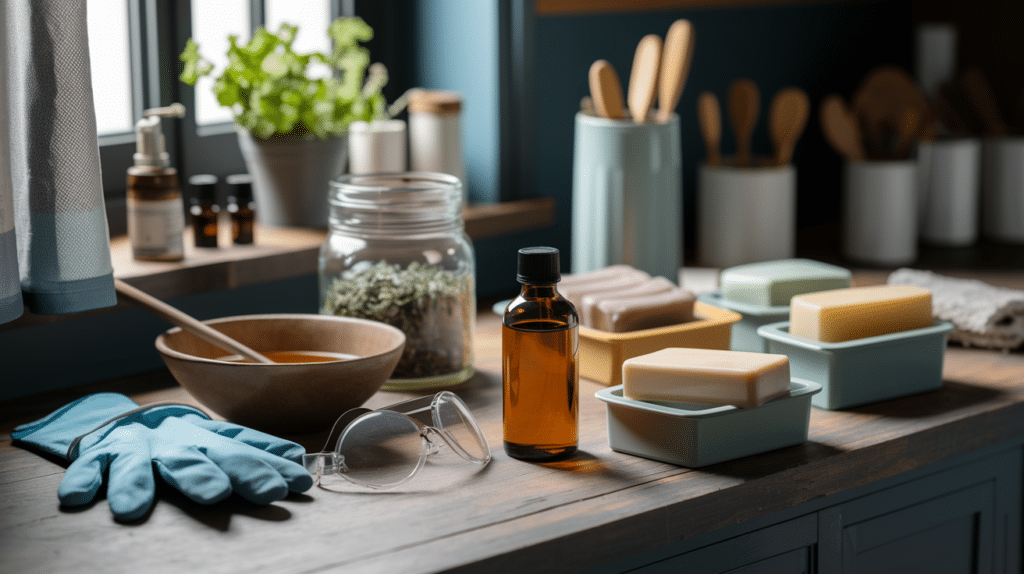
You can create soaps without harsh chemicals and save money, too.
It’s easier than you might think!
To start, you’ll need some basic ingredients like oils, lye, and water.
Safety is key when working with lye, so wear gloves and goggles.
Mix the lye and water carefully, then blend it with your chosen oils.
This process is called ‘saponification’.
Pour the mixture into moulds and let it harden for a few weeks.
You can add natural scents and colours to make your soap unique.
Herbs, essential oils, and plant-based dyes work well.
4) Knot Tying Techniques
Knot tying is a crucial skill for preppers.
You can learn this useful skill at home with just some rope and practice.
Start with basic knots like the bowline, square knot, and clove hitch.
These are versatile and can be used in many situations.
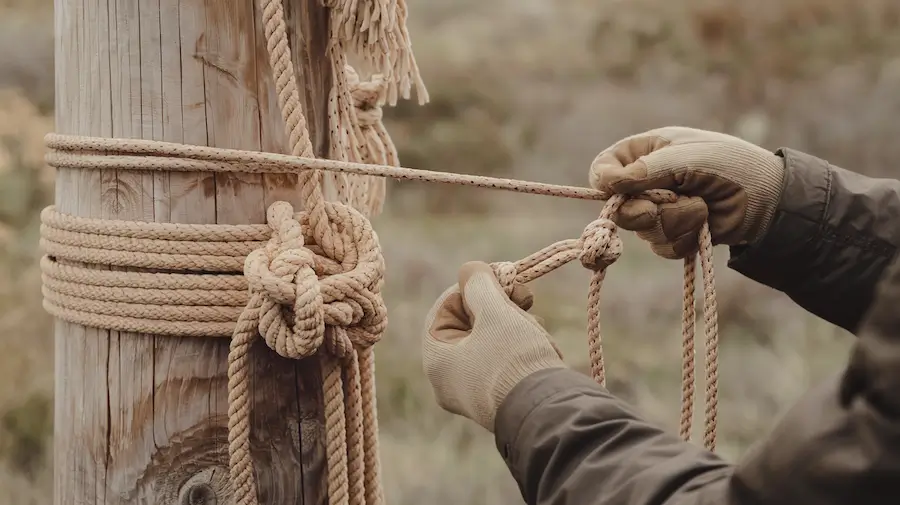
Try tying knots in different conditions.
Practice with wet rope or while wearing gloves.
This helps you prepare for real emergencies.
Use online videos or books to learn proper techniques.
Take your time and focus on getting each knot right before moving on.
Remember, speed comes with practice.
Keep practising until you can tie knots quickly and securely.
This skill could save your life one day.
5) Foraging for Wild Edibles
Foraging for wild edibles is a valuable prepper skill you can practise at home.
Use field guides or online resources to learn to identify common edible plants in your area.
Begin in your garden or local park, where you can safely explore without risk.
Look for familiar plants like dandelions, nettles, or blackberries.
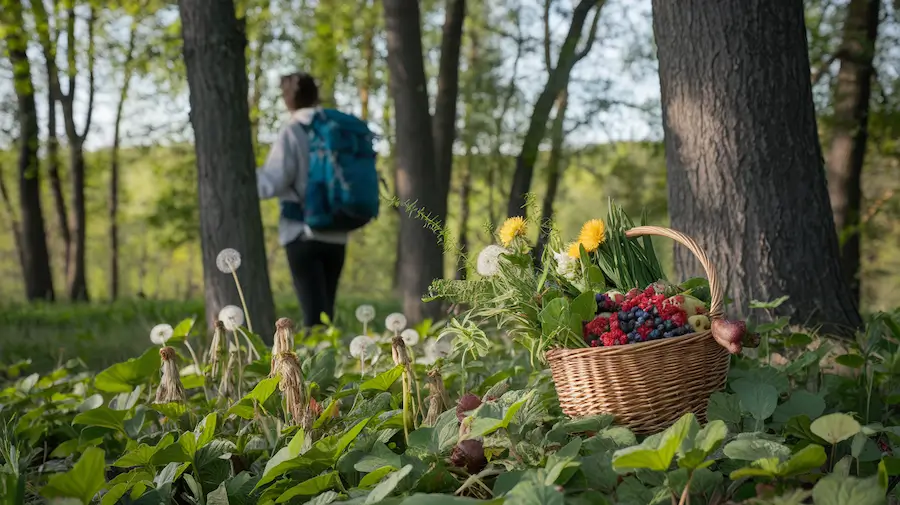
Always be 100% certain of a plant’s identity before tasting it.
Some plants have toxic look-alikes, so double-check your identification to stay safe.
To expand your palate, try incorporating wild edibles into your meals.
This skill can provide free, nutritious food and boost your self-reliance in emergencies.
Remember to respect wildlife and follow local regulations when foraging.
With practice, you’ll gain confidence in finding food from nature.
6) Water Purification Methods
Clean water is vital for survival.
You can learn simple ways to make water safe at home.
Boiling is the easiest method.
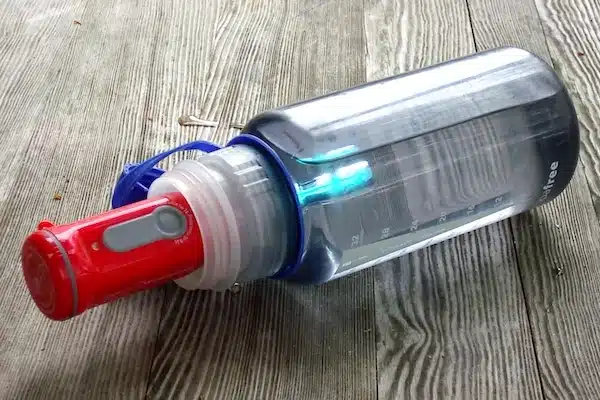
Just heat water until it bubbles for one minute to kill germs.
Filtering is another useful skill.
You can make a DIY filter with gravel, sand, and activated charcoal.
This helps remove dirt and some harmful bits from water.
Chemical treatments are handy, too.
You can use water purification tablets or a few drops of unscented bleach per litre of water.
These kill most nasty bugs that could make you ill.
Practising these methods at home will prepare you for emergencies.
Try different techniques and see what works best for you.
7) Canning and Preserving Food
Canning and preserving food is a great skill to learn at home.
You can store fruits, vegetables, and even meats for long periods without refrigeration.
Start with water bath canning for high-acid foods like jams and pickles.
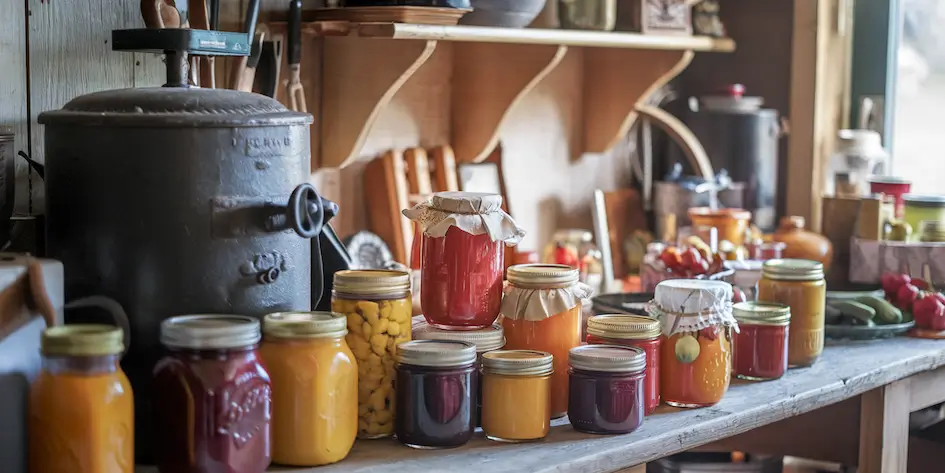
You’ll need jars, lids, and a large pot. Clean and sterilise everything first.
Low-acid foods like vegetables and meats need a pressure canner.
This reaches higher temperatures to kill harmful bacteria.
Begin with simple recipes and follow instructions carefully.
Always check seals before storing your jars.
With practice, you’ll soon be filling your pantry with homemade preserved foods.

Originally posted 2024-12-17 02:45:55.