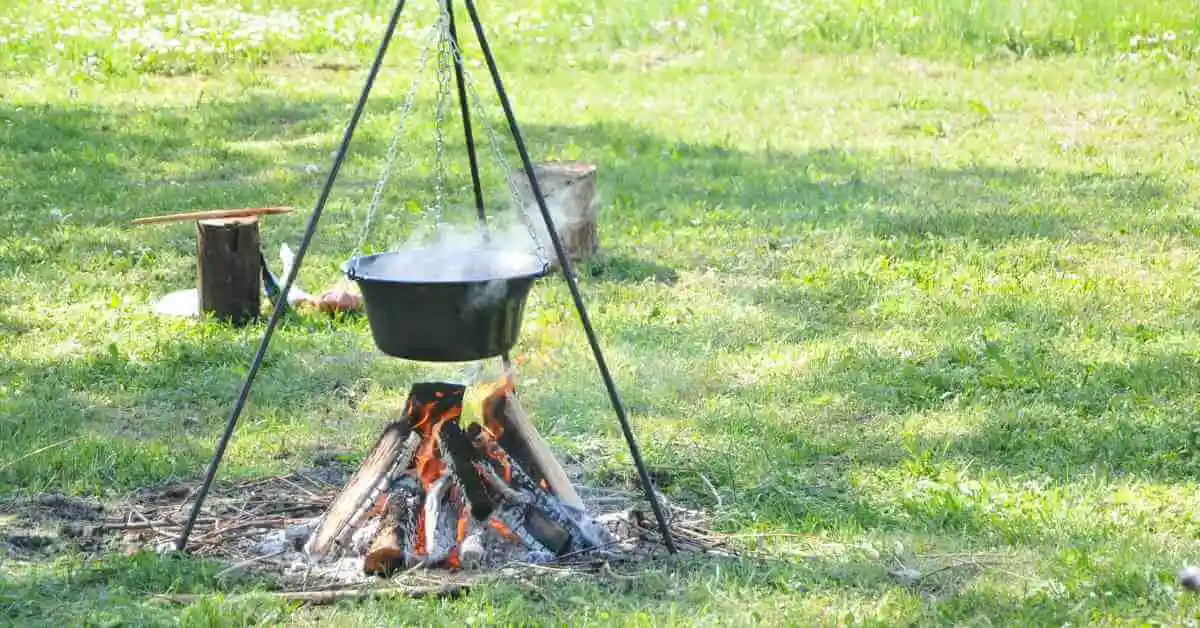
When an emergency or disaster strikes, do not expect life to be close to normal.
There will be a disruption to your routine especially when it comes to cooking meals for yourself or your family.
When it comes to food preparation how to cook emergency food, you will need to be flexible.
You may not have the same energy resources you had prior to the emergency or disaster.
Having the following items on hand as a primary or backup cooking ensemble will make eating a lot easier.
Being flexible means also having more than one option available of each item.
Different items for cooking in an emergency situation
1. A heat source
If the electricity is gone, then you should have a camp stove or a propane grill already stored in your garage.
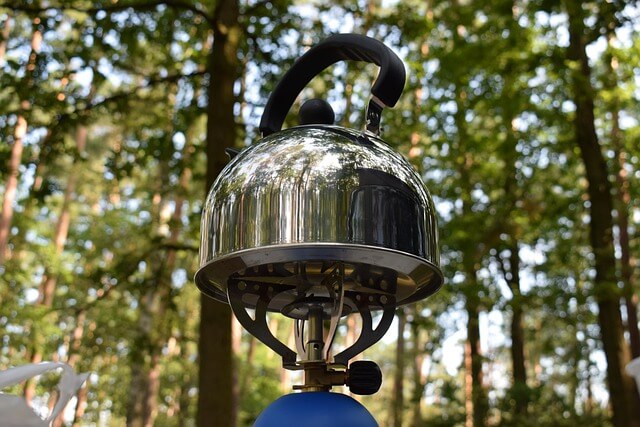
Along with a good fuel supply.
Failing that, make sure to have a good supply of firewood as nothing tastes better than food cooked over an open flame.
There are different varieties of cookstoves you can choose from.
Pick the one that fits your needs, talent, and storage space.
You will need a larger stove if you are cooking for more than yourself.
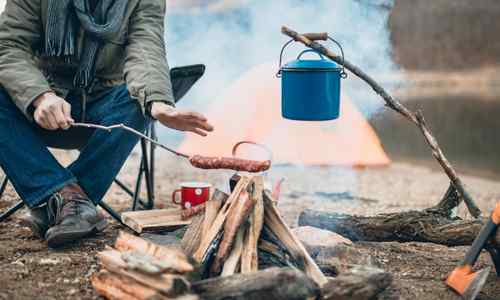
Here is a short list of items you can use as an alternative heat source when the power goes out to cook emergency food.
#1. Wood stove
#2. pellet stove
#3. Charcoal grill
#4. Campstove (gas)
#5. Volcano portable stove
#6. Open fire (just like the cowboys did it in the old west)
#7. Solar cooker
#8. Masonry stove
#2. Reflecting oven
Having options makes sure you are covered no matter what the emergency is or if you have run out of one fuel source.
#3. Pots and pans
Some people make non-stick frying pans and pots their number one choice.
These are very versatile cooking items and they do save you on oil or butter when you are cooking.
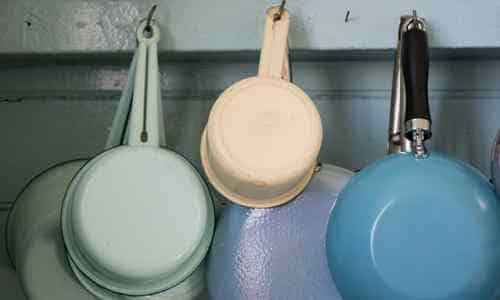
But if you do not have a non-stick pan available, any pot or pan will do the same work as the non-stick version.
You just need oil, butter, or PAM to keep your food items from sticking.
A good cast iron frying pan and pot will work best when you are cooking over an open fire.
They also double as a great defensive weapon in case you get into trouble with home invaders.
Also, make sure all your pots and pans are different sizes.
This helps you be flexible in your cooking.
#4. Utensils
The right tools for the job.
One of the best will be a very sharp knife, no matter the length.
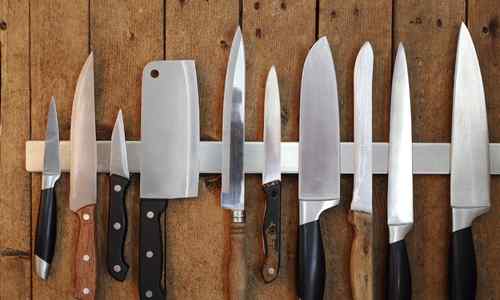
A sharp knife cuts prep time down considerably and make sure you do not ruin any food item like you would if you used a dull knife.
But do not forget forks, spatulas, wooden spoons, spoons, and other cooking utensils. Many are multi-task items like a fork.
You can use it to eat with or whip some eggs to make scrambled eggs, and so on.
Don’t forget the measuring cups and spoons.
They will come in handy when you are making a difficult recipe.
#5. Can opener
Make it a manual one just in case you do not have electricity to power an electric can opener.
This should actually be on the top of everyone’s list because it is a very vital tool.
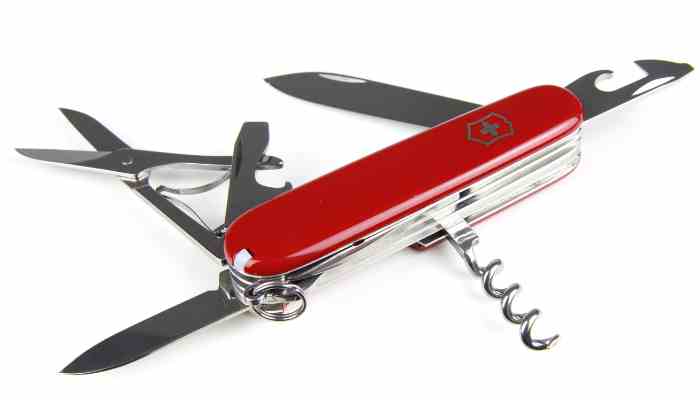
When you can’t eat fresh food, it can be very frustrating to open a can without a can opener.
These come in all sizes so they will not take up a lot of space in your storage area.
The military versions are easy to use and are the smallest options available and perfect when you need to cook emergency food.
#6. Mason jars
Another must-have cooking item.
Not only do these mason jars hold food, but they can also hold your leftover oil so you can use it again.
They are great storage items for leftovers as well.

Plus, they are easy to clean and are reusable.
You don’t think about these little things until it is too late and you need one.
Mason jars can also double as a mixing bowl if your mixing bowls get lost, broken, or stolen.
The lids can keep the air out and preserve your leftovers better.
#7. Aluminum foil
This is a handy cooking device when you have no electricity.
What makes foil so good is that it can be used to store food as well as cook it.
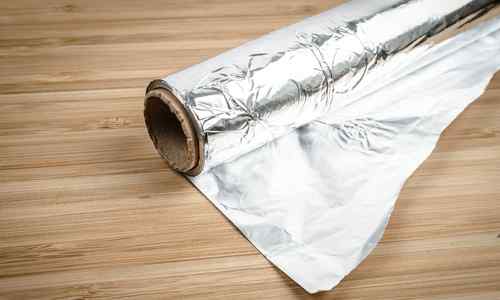
The foil is so tough it can be placed directly into the coals or charcoal fire and cook your food when you have no power.
To retrieve your foil from the heat, all you need is a fairly long stick.
But that is not all foil can do for you.
It can be placed under a grill to catch falling food, store leftovers, be re-shaped for baking or cooking in an oven, and much more.
#8. Skewers or Spits
These are handy when you must cook emergency food but don’t want to cook large portions of meat.
You can cut the meat, vegetables, fruit, etc., to size and place them over a nice flame.
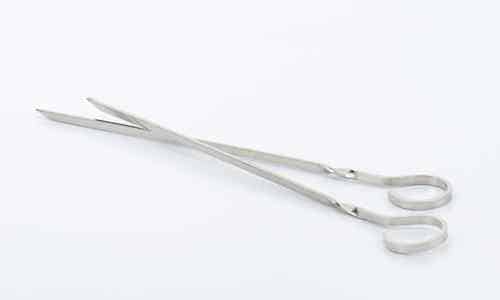
The key to this type of cooking is to turn the skewers regularly so the food cooks evenly.
Just watch how close your hands get to the flames.
Also, food cooked this way takes only minutes not tens of minutes or even hours.
You can eat faster and move on to your next survival task without too much of a delay.
#9. Dishes
You will want a selection of bowls, almost all different sizes, as well as plates to eat off.
The plates can double for serving trays and make sure everyone has an equal opportunity to reach the food.
Don’t forget glasses or mugs for drinking.

Not everyone likes to share water spouts or nozzles.
The fewer glass items you have the better.
That will reduce breakage if someone accidentally drops one or two.
Include with these dishes, some storage containers like Tupperware, Lock N Lock, and so on.
You may not have mason jars handy but storage containers can be stacked on top of each other and save on storage space.
When the power goes out
In a disaster or other emergency, government officials do not know all the time when they can restore power.
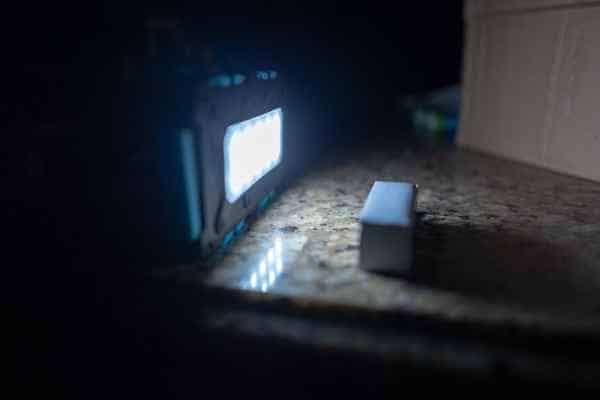
That means that you have to get a little creative when it comes to cooking.
Keep in mind you are not thinking about cooking at this time as much as you are thinking about heat.
To cook you need heat and the above options will provide enough heat to help you make your meals.
However, there is an order to the food that you need to cook.
You can leave the pantry food alone for now as the first food items that need to be served will be in your refrigerator.
You have up to 24 hours before the cool air disappears in your fridge, that is if the door remains closed most of the time.
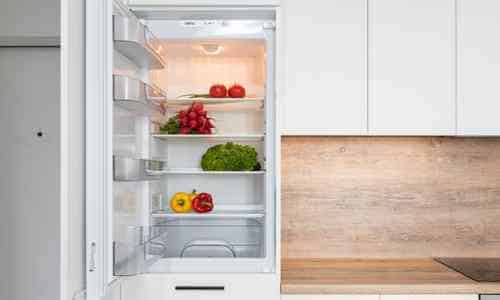
Thus it is important to start eating those food items before they start to go bad.
After cooking and eating your fridge food, the next place to go for food will be your fresh food.
Actually, this can be eaten at the same time as your fridge food.
The next source of food you should cook and eat will be found in your freezer.
Frozen food should last a little longer than fridge food but you still have to consume it quickly after thawing.
Again, make sure the freezer door is not opened too often so that the food stays frozen longer.
Finally, after exhausting those supplies, you can start on your non-perishable pantry food items.
They have the longest shelf life and should remain good to eat for a long time.
The drawback to pantry food items is that they all do not have the same shelf life.
Mark the food containers so you know when they will expire.
One cooking item tip
When you select one or more of the alternative heat sources listed above, make sure to stock up on fuel supplies.
Whether it be wood, paper, matches, butane, propane, or natural gas, make sure you have enough fuel to last you for a while.
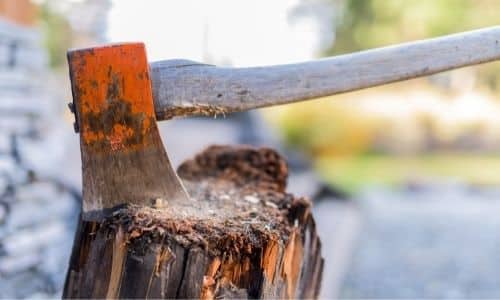
All these supplies will double as a home heating source if your furnace will not work due to a power failure.
So make sure to provide a good-sized area on your property to store these items.
Most, if not all of them have to be stored outside for safety reasons.
Some final words
Now you know what you need to cook emergency food.
Having the right cooking tools is essential if you and your family are going to eat right and stay healthy.
Make sure to make a list of the cooking items you will need and stockpile enough of them for emergencies.
Also, make sure you have a top alternative heat source so you can cook each night the emergency lasts.
Cold food is okay when it is a pizza not when it is spaghetti.

Originally posted 2023-03-20 02:41:33.