We are too used to having electricity
That is one of the disadvantages of living in the 21st century.
No one remembers what it is like to live without any power unless they go off the grid.
It is a totally different lifestyle and many people may not be able to handle life without electrical power.
Losing all electricity for a couple of weeks is not outside the realm of possibility.
The grid is not as secure as you may think and it is a real target for many of the country’s enemies to aim for.
The best thing you can do is learn to live without electrical gadgets.
Because if the entire grid goes down, just about everything in modern life would cease to exist and not function.
In this article we will look at how to prepare for a massive power outage whether one occurs due to a natural disaster, major accident or terrorist or cyber attack.
What happens when the grid goes down long term?
There are different scenarios for this situation.
Some problems like a lack of water, a lack of ability to keep food cold, stores may not have enough food in stock as they lose the ability to order more food items when they run out, and so on.
It is not going to be a pretty picture as some sewer systems may back up when key components lose power to function.
That is just the tip of the iceberg.
Most things in modern life depend on the electrical grid to function properly.
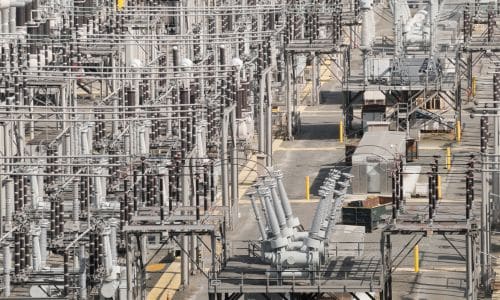
There probably would be chaos in the streets as tall the traffic systems won’t function.
Traffic will be backed up for hours if one is lucky.
It is a grim picture but one you should prepare for if an attack on the power grid does take place.
Just think about all the computers that not only help run everything but give you access to the Internet and other communication systems.
All would be gone and it will take some time to restore everything.
A long term grid down event will massively change life.
The question to ask yourself is, are you prepared for this event?
Some causes for a power grid failure
You have seen tornadoes, hurricanes, and other storms cut the power.

Usually, they do not damage the vital equipment needed to run different aspects of the power grid.
A day or two without power is like a walk in the park compared to the following disaster possibilities.
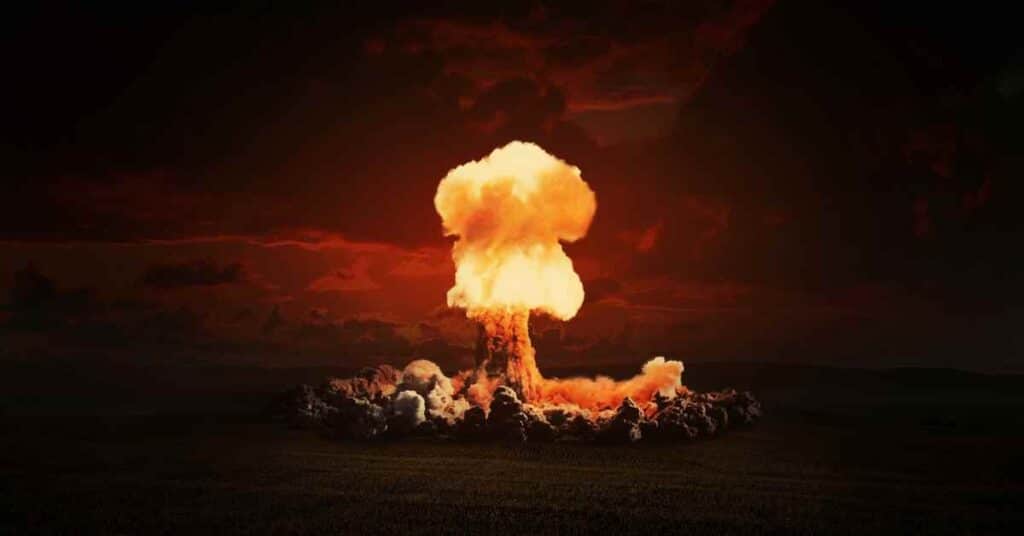
1. Nuclear attack
The electromagnetic pulse built into these devices can ruin a power grid system for some time.

The scope of the damage is not fully known but it could be local or it could take out half the nation’s power.
2. Solar flares
These are similar to nuclear bombs in the electromagnetic pulse aspect.
The sun could send out strong solar flares and knock out the power.
It has done it before but not for a very long time.
The good news here is that vital electrical equipment should be undamaged if this happens, unlike a nuclear bomb attack.
Another cause could be a coronal mass ejection.
3. Cyber Attacks
Hackers from the country’s enemies are looking for ways to get inside the power grid system and disable it from the inside.
This does not cause a lot of damage to the infrastructure but it will disrupt daily life and put you in a survival situation.
How long the power will be out will depend on how fast the people in charge of the power grid can solve the problem.
4. Old age
The current power grid is getting old, vulnerable, and has not been properly maintained.
An infrastructure failure is a reasonable possibility due to the condition the infrastructure is in
5. Terrorist attacks
If they can get into the country, then terrorists can devise a power grid attack key power grid infrastructure facilities and disable them with low-level detonations and other means
How to prepare for a power grid failure
There are different steps you can take but they all involve long-term planning and storage. With the electricity gone, you cannot wait till the last minute to prepare for this problem.

Here is a generic list of what you can do before you are forced into this grid down survival scenario:
#1. Make sure to have enough room in your home for plenty of food and water
#2. Learn how to cook without electricity and how to prepare food without electrical devices to help you.
#3. Learn self-defense and take weapons training classes.
Protecting yourself and your family is going to be a top priority.
#4. Learn to improvise when it comes to medical needs.
Without power, you are going to have to handle medical issues differently.
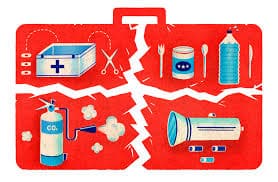
#5. Invest time and patience in your prepper projects so you and your family are prepared for the worst.
Specific actions you can take to prepare for a power grid failure
#1. Water
You will need a constant water supply in a power grid down scenario.
This may be difficult for some people as they do not live in homes where they can collect water freely.
Plus, storage space will be limited.
Learn how to collect water even if you live in an apartment, as well as how to preserve it when supplies get low.

Storing water is just as important as having a supply.
If there is still water pressure, I would fill up every empty sink, tub pitcher, washbasin, and hot tub.
Make sure to have water filters and tablets on hand to keep the water clean.
Finally keep enough bottled water ready as well.
As grid down scenarios can happen for an indefinite period, you can never have too much water.
#2. Food
Storage is going to be the biggest issue.
It is never too early to start planning for food survival.
You’ll need a good supply of non perishable foods.

Most supermarkets will supply you with enough food to stock up in case this happens.
The worst case scenario is if you leave it too late.
Once a terrorist attack; for example, an EMP attack happens, it’ll be too late.
There will be a lot of planning involved to get food so be ready to do last minute shopping or learn how to find food safely and other food prep projects.
Food production is something you could begin if you have the space.
Grocery stores will provide you the vegetable seeds you need to start.

For any fresh food you do have at the time of the power outage, you’ll need to act fast.
Grab any coolers you have and add in as much ice and ice packs as you can to help keep your food stay cool.
Most likely, milk and other dairy products shouldn’t go in coolers.
#3. Your security (and your family’s)
One of the biggest challenges to survival for you and your family will be other people.
When things go bad, people get desperate.
Or they will want what you have just bought.
You need to be prepared to defend yourself and your family.

Taking self-defense classes, learning how to use a weapon, and other defensive strategies are essential when people get desperate.
#4. Money
Since the world has been trending to a cashless society most ATMs, and other money transfers operate with electricity.

Those cards will not be of any use to you so have money stashed away where it is safe and you can get to it easily.
Just do not tell anyone you have the money stashed.
#5. Medical issues
First aid training is a must as you will be handling your family’s medical problems.
Learning how to do CPR, bandage wounds or even dispensing medicine is essential to your survival.
Unfortunately, you won’t be able to use the machines needed for vital organ health.
You will have to find another way to treat those patients.
Not everyone owns a battery-operated kidney dialysis machine.
But getting the basic medical training and how to handle medicines will help avoid those more serious illnesses.

If you learn about medicinal plants, you should be able to treat more serious problems if they arise.
#6. Fuel
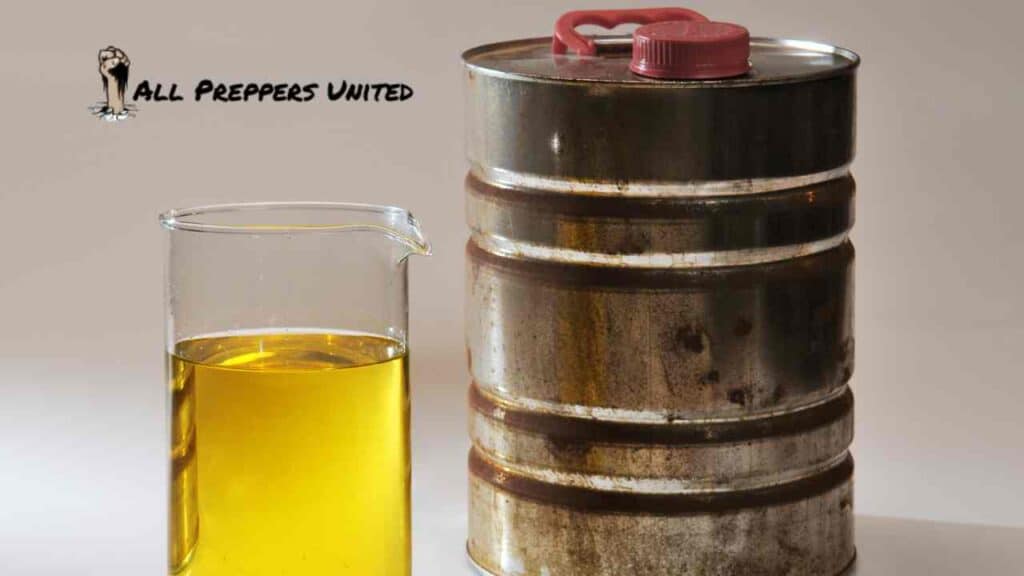
This is tricky to do but you should learn all about storing fuel, its shelf-life, and so on.
Having fuel around can help you bug out better or keep you warm when the nights get cold.
A wood burning stove might be a good idea if doable.
It’ll depend where you live.
Diesel fuel is the safest fuel to stock up on and kerosene is diesel fuel.
Regular gas has a short shelf life so you do need to cycle it often.
If the power does go out, you can combat it by using a good generator.

But generators need fuel.
A diesel-powered one will be best for the above reasons.
Just make it large enough to provide the power you need.
The only problem with backup generators is that they are noisy and they will attract attention.
One other option could be a solar oven.
#7. Light
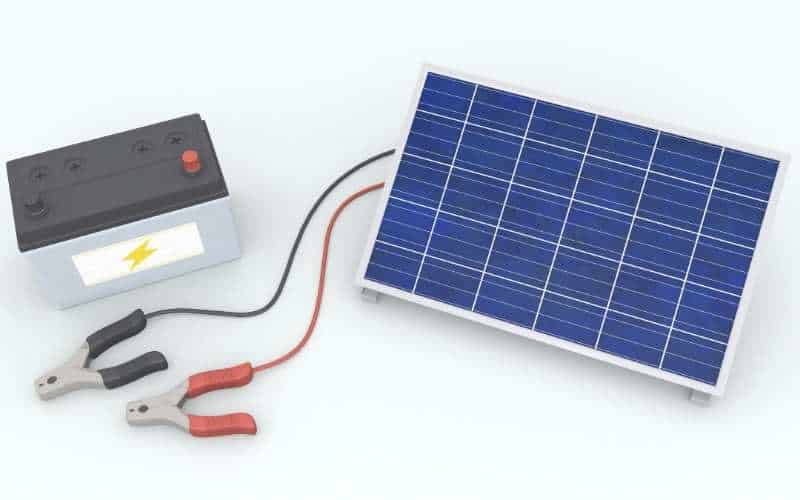
Solar-powered lights will work the best.
But if you only have a flashlight, that is better than walking around in the dark.
Injuries can happen when you cannot see where you are going.
#8. Communication
Make sure to have a good radio that can pick up the MURS radio signals or CB radio signals.
Plus, you should have walkie-talkies to make sure you can stay in contact with family members.
A battery powered radio will be of immense use in a power failure.

Solar-powered battery chargers will help you keep the communication lines open.
#9. The different seasons
if the power grid is knocked out in summer, you have to watch out for dehydration, heat stroke, and other heat-related elements.
You will also need more water so make sure you have enough stocked up.
The winter is the opposite as you will be searching for ways to keep warm.
Warm clothing is a must, especially if the grid down event happens during extreme weather.
If you use alternative heating methods, then you have to be careful of carbon monoxide poisoning.
Some Final words
A long term power outage is a huge issue for national and homeland security.
Emergency services are likely to be fine short term but could get overwhelmed if the power outage is for an extended period
And individually, preparing for a power grid failure is not going to be easy.
When the power goes out, life changes and if you are not ready, then you may not be one of the lucky ones to survive the problem.
The time to practice survival in this situation is now.
Emergency preparedness is very important.
Being unprepared is your biggest danger and if stores run out of supplies for a long period, what will you do?
As you never know when the power will go out and for how long the electricity will be off.

Originally posted 2023-04-12 06:11:09.