

In today’s unpredictable world, having an urban survival backpack is essential for dealing with unexpected emergencies.
An urban survival backpack not only helps you stay prepared for disasters in city environments but also keeps you one step ahead during critical situations.
These backpacks are specially designed to contain everything you need to survive a disaster in a city or other urban settings.
These kits differ from typical bug-out bags as they focus on tools and resources that are more applicable to an urban environment.
As you explore the world of urban survival backpacks, you’ll find various options, from pre-packaged kits to creating your own customized kit.
Understanding the unique challenges posed by an urban environment is crucial when assembling your urban survival backpack.
Keep in mind that space and weight limitations are essential factors to consider.
So, focus on packing essential items, versatile tools, and gear that will help you navigate city streets, navigate through debris, and maintain your safety and well-being.
By the end of this article, you’ll have a better grasp of the critical components necessary for an effective urban survival backpack.
Essential Items
In this section, we will discuss the essential items you need to pack in your urban survival backpack.
We’ll cover three key categories:
- Water and Hydration
- Food and Nutrition
- and Shelter and Warmth.
Water and Hydration
Staying hydrated is crucial in any survival situation.
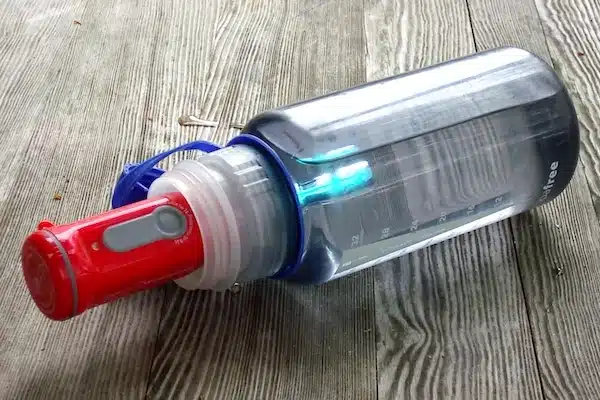
When preparing your urban survival backpack, be sure to include the following items:
- A water bottle or hydration system
- Water purification tablets or a water filter, such as a portable water filter
Remember to store water purification tablets securely and follow the manufacturer’s instructions when using them.
Food and Nutrition
In an urban survival situation, you’ll need to ensure you have enough food to sustain yourself.
Consider packing these items:
- Non-perishable, high-calorie foods such as energy bars, trail mix, or canned goods
- Portable cooking equipment like a small stove, fuel, and a pot or pan
- Utensils for eating, such as a spork or a camping utensil set
Make sure to rotate your food supply regularly to ensure that it remains fresh and safe to eat.
Shelter and Warmth
In the event of an emergency, you may need to create makeshift shelter or protect yourself from the elements.
To prepare for this, include the following items in your backpack:
- A lightweight emergency blanket or bivvy sack
- A small tarp, which can be used to create a temporary shelter
- Extra clothing layers, such as a warm hat, gloves, and thermal underwear

These items will help you stay warm and dry, even if you need to spend an extended period outdoors.
By including these essential items in your urban survival backpack, you’ll be better prepared to handle emergencies when they arise.
First Aid and Personal Care
When preparing your urban survival backpack, you cannot overlook the importance of first aid and personal care items.

In a disaster or emergency scenario, you need to prepare yourself to handle minor injuries, maintain hygiene, and address your personal needs.
Let’s discuss the essential supplies for both first aid and personal care.
Basic First Aid Supplies
A well-stocked first aid kit is crucial for addressing injuries that may occur during an emergency.
Here are some essential items you should consider including in your kit:
- Band-aids and adhesive bandages of various sizes
- Gauze pads, adhesive tape, and a roll of bandage
- Antiseptic wipes and alcohol pads
- Pain-relieving medication (e.g. ibuprofen or aspirin)
- Anti-allergy medication (e.g. Benadryl)
- Antibiotic ointment (e.g. Neosporin)
- Scissors, tweezers, and safety pins
- Instant cold and hot packs
- Medical gloves
It’s crucial to regularly check your first aid supplies to ensure they remain fully stocked and haven’t expired.
Hygiene and Personal Care Items
Maintaining personal hygiene during an emergency not only prevents illness but also boosts your overall morale.

Consider packing the following items to stay clean and comfortable:
- Toothbrush, toothpaste, and dental floss
- Biodegradable wipes or travel-sized wet wipes
- Antibacterial hand sanitizer
- Travel-sized soap, shampoo, and deodorant
- Compact mirror and comb
- A small pack of tissues and toilet paper
- Feminine hygiene products, if necessary
Don’t underestimate the importance of personal care.
Taking care of your hygiene can help you feel refreshed and more equipped to face the challenges of an urban emergency.
Tools and Equipment
In this section, we will discuss the essential tools and equipment you should consider including in your urban survival backpack.
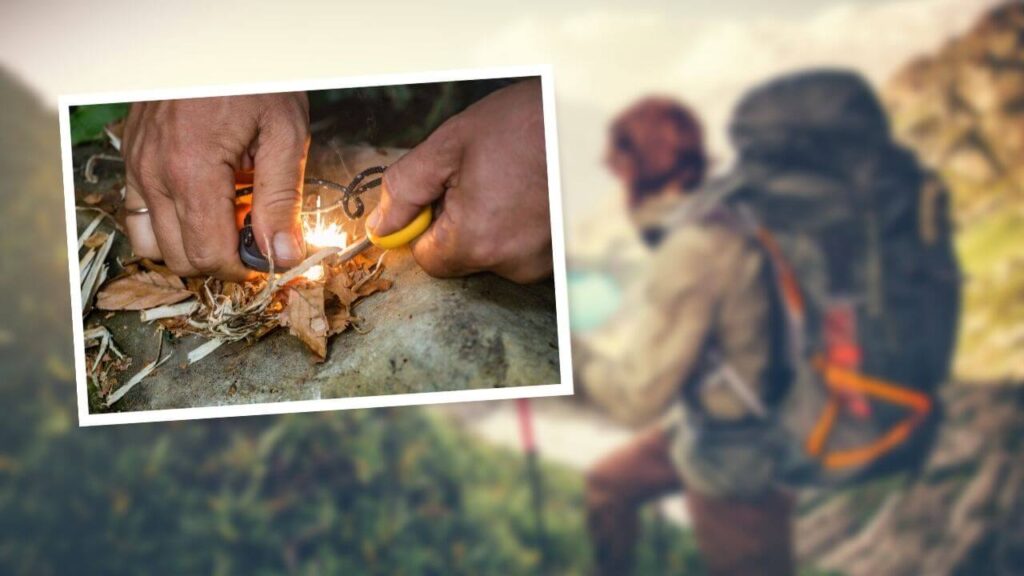
These items will be divided into three sub-sections:
- Multipurpose Tools
- Lighting and Power Sources
- and Communication Devices.
Multipurpose Tools
Having versatile tools in your backpack can save space, weight and offer multiple functionalities during emergencies.
Here are a few must-haves:
- Foldable Knife: A foldable knife is an excellent all-purpose tool that can be easily concealed and used for various tasks such as cutting ropes, opening packages, and even self-defense scenarios.
- Crowbar: This tool can be useful for breaking locks, opening doors, and prying open windows. It’s an essential item for urban environments where looting may occur and you need access to secure areas.
- Tactical Knife: Unlike a foldable knife, a tactical knife is specifically designed for urban survival situations. It can be used to smash, bash, pry, chisel, hammer, and cut, making it a valuable tool to have in your backpack.
Lighting and Power Sources
Reliable sources of light and power are crucial for urban survival.
Here are a few items to include in your backpack:
- Tactical Flashlight: A high-quality, durable flashlight is essential during power outages and nighttime situations. Avoid cheap-looking models, as they may not perform well in emergencies.

- Portable Solar Charger: Having a solar charger can help keep your devices, such as phones and communication devices, powered during extended periods without access to electricity.
- Battery Packs: Carry extra sets of batteries for your devices, especially for flashlights and communication devices.
Communication Devices
Staying connected and informed is vital during emergencies.
Here are some communication devices to consider adding to your urban survival backpack:
- Emergency Radio: A battery-powered or hand-crank radio can help you stay informed about emergency situations. As well as receive updates from authorities.
- Walkie-Talkies: These devices are useful for maintaining communication with your group members in case cellular networks become unreliable or fail completely.

- Mobile Phone: Always ensure your phone is charged and consider having a backup battery pack for extra power. In most urban survival situations, cellular networks will still be functional, and having a phone is crucial for contacting emergency services and staying connected with family members.
With these tools and equipment in your urban survival backpack, you’ll be better prepared to face a variety of emergency situations that may arise in urban settings.
Security and Self-Defense
When it comes to urban survival, prioritizing security and self-defense is essential.
In this section, we’ll discuss some of the critical items to include in your backpack for enhanced protection.
Personal Protective Gear
As you navigate through unpredictable urban environments, your personal protective gear can make all the difference.
Here’s a list of essential items your backpack should contain:
- Gloves: A pair of sturdy gloves can protect your hands from cuts, scrapes, and burns. Opt for gloves with reinforced knuckles and padding for additional protection.
- Eye Protection: Invest in a pair of high-quality, shatter-resistant goggles to shield your eyes from flying debris and harsh weather conditions.
- Earplugs: Loud noises can damage your hearing, so make sure to carry a set of earplugs that will help reduce the impact of loud sounds.
- Respirator: Include a portable respirator or face mask to filter air in dusty, smoky, or hazardous environments.
Self-Defense Tools
Including the right tools in your backpack can help you protect yourself against potential threats.
Here are some self-defense tools to consider adding to your survival kit:
- Pepper Spray: A canister of pepper spray is small but effective in deterring would-be attackers. Make sure it’s easily accessible in case of emergencies.

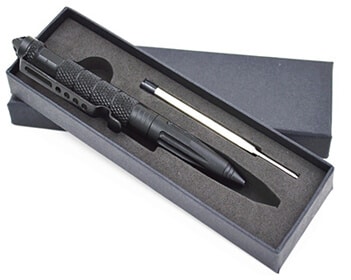
- Tactical Pen: A discreet but powerful self-defense tool, a tactical pen can act as both a writing tool and weapon when needed.
- Whistle: A loud whistle can help you signal for help or scare off potential attackers. Choose a quality, high-decibel whistle for your kit.
- Compact Knife: A folding knife or multi-tool can aid in cutting rope, opening packages, and serving as an additional self-defense option.
With the combination of personal protective gear and self-defense tools, you’re better prepared to handle unexpected challenges in urban survival situations.
Pack Organization and Comfort
When it comes to urban survival backpacks, organization and comfort are essential factors to consider.
To ensure efficiency and ease of use, follow these guidelines for choosing the right backpack and packing tactics.
Choosing the Right Backpack
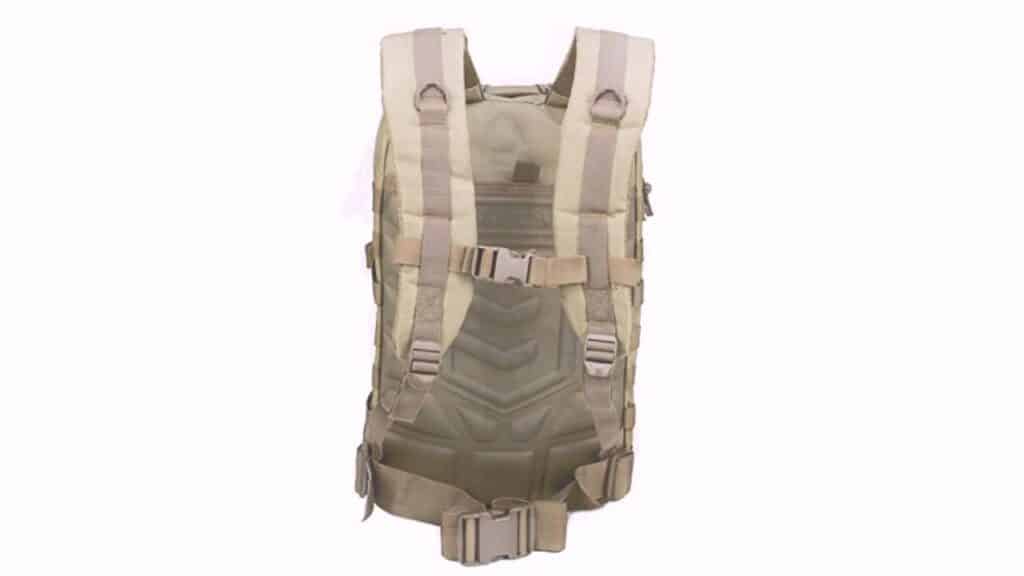
Start by selecting a backpack that is designed for urban environments.
Look for features such as water-resistant materials, comfort-enhancing components, and adequate storage space.
For instance, the Covrt18 second-generation survival bag is an excellent option due to its water-resistant 500D and 840D nylon construction, compact size, and lightweight design.
Additionally, the Chrome Hondo is a 21L urban commuter backpack equipped with an EVA foam back panel for maximum comfort and breathability.
Ergonomic shoulder straps also help make carrying the bag more comfortable for a variety of body types.
Packing Tactics for Efficiency
Packing your urban survival backpack efficiently can make all the difference in your ability to access your gear and maintain mobility.
Consider the following packing techniques:
- Keep heavy items, such as tools and cooking equipment, at the bottom of your pack. This ensures a low center of gravity, making the bag more comfortable to carry.
- Place frequently accessed items in easily reachable compartments or external pockets, so you do not have to unpack your entire bag to find what you need.
- Utilize a tiered organization system by placing related items together in separate compartments, such as food and water, clothing, and first aid supplies. This makes locating essential items quicker and more manageable.
- Compress your pack using compression straps or stuff sacks, which helps save space and improves the stability of the load.

Before You Go
By carefully choosing your urban survival backpack and employing efficient packing strategies, your pack will not only be well-organized but also comfortable to carry in any situation you may encounter in an urban environment.

Originally posted 2023-04-27 06:27:06.


