Getting ready for long-term survival takes some key skills.
You never know when you might need to rely on yourself in tough times.
Learning how to handle different situations can make a big difference.
The right prepping skills can help you stay safe and comfortable if things go wrong.
This article will cover 8 essential prepping skills to work on.
These are things that can help you deal with emergencies or live off the grid if needed.
We’ll look at practical abilities that are useful in many scenarios.
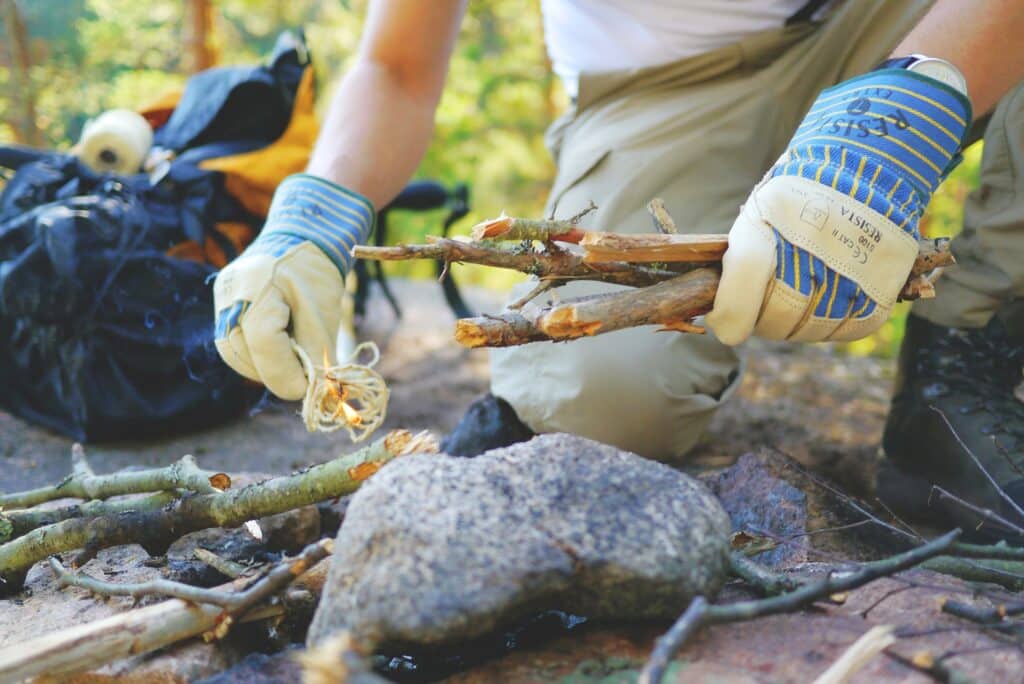
1) Fire-starting with flint
Starting a fire with flint is a key skill for long-term survival.
You’ll need a piece of flint, a steel striker, and some tinder to get started.
Hold the flint close to your tinder bundle.

Strike the steel against the flint at a 45-degree angle to create sparks.
Aim the sparks at your tinder.
Once a spark catches, gently blow on the tinder to encourage the flame.
Add small twigs and gradually larger pieces of wood as the fire grows.
Practice this technique often to build confidence. It can take time to master, but it’s a reliable way to start fires without matches or lighters.
2) Building a shelter from scratch
You need to know how to build a shelter to protect yourself from the elements.
Start by finding a good location away from hazards like dead trees or flood-prone areas.
Gather materials like branches, leaves, and bark.

Create a frame using sturdy branches.
Lean smaller branches against it to form walls.
Cover the shelter with leaves, grass, or bark for insulation.
Make the roof sloped to shed rain. Add a thick layer of leaves inside for bedding.
Test your shelter to make sure it’s sturdy and waterproof.
Practice building different types like lean-tos, debris huts, and teepees.
With some skills, you can construct a basic shelter in under an hour.
3) Purifying water naturally
You can purify water without fancy equipment in a survival situation.
Boiling is the simplest method – just heat water to a rolling boil for 1 minute to kill most harmful organisms.

Solar disinfection works well in sunny areas.
Fill clear plastic bottles with water and leave them in direct sunlight for 6 hours or more.
You can also make a DIY filter using layers of sand, gravel, and charcoal in a container.
This helps remove sediment and some contaminants as water passes through.
Natural materials like pine needles have antimicrobial properties.
Steeping them in water can help purify it.
Always test any natural method first if possible.
4) Foraging for edible plants
Foraging is a key skill for long-term survival.
It lets you find free food in nature.
Start by learning to identify common edible plants in your area.
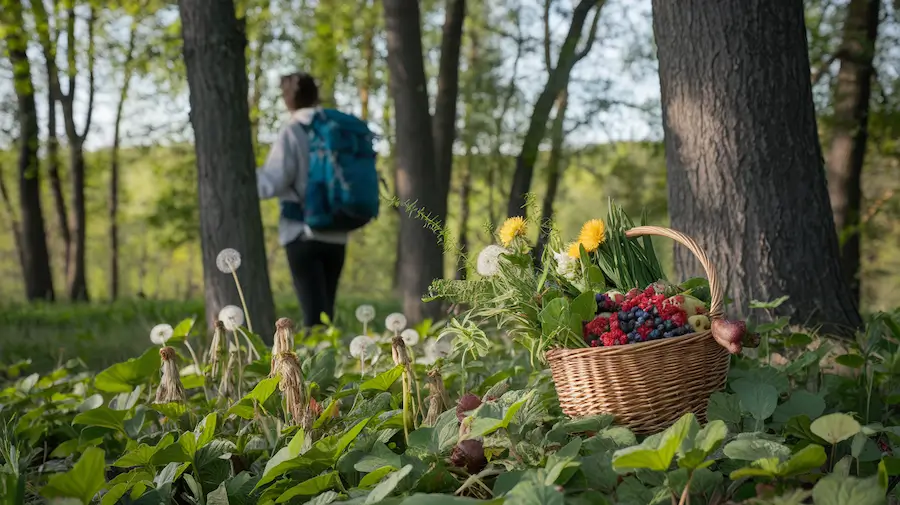
Get a good field guide with pictures to help you spot safe plants.
Practice identifying them before you need to rely on foraging.
Focus on easy-to-recognize plants first.
Dandelions, blackberries, and acorns are good options for beginners.
Learn which parts are edible and how to prepare them.
Be careful not to eat anything you can’t identify with 100% certainty.
Some plants are toxic and can make you very sick.
When in doubt, don’t eat it.
Foraging takes practice, so start now while you have other food sources.
It’s a fun skill that can really pay off in a survival situation.
5) Trapping small game
Trapping small game is a smart way to get food without using too much energy.
It’s a passive method, so you can set traps and do other tasks while waiting for animals.
You’ll want to learn different trap types like snares and deadfalls.
Practice making these before you need them in a real situation.

Place traps where animals are likely to pass through.
Look for tracks, droppings, or well-worn paths.
Use natural materials like sticks and rocks to guide animals toward your traps.
Check your traps daily and handle any caught animals quickly.
With practice, you’ll get better at catching small game like rabbits, squirrels, and birds for food.
6) Making herbal medicine
Knowing how to make herbal medicine is a key skill for long-term survival.
You can create remedies from plants growing around you.
Start by learning to identify common medicinal herbs in your area.
Gather herbs carefully and dry them properly.
You can make teas, tinctures, and salves from dried herbs.
Infuse herbs in hot water for tea or in alcohol for tinctures.
Mix herbs with oils and beeswax to create healing salves.
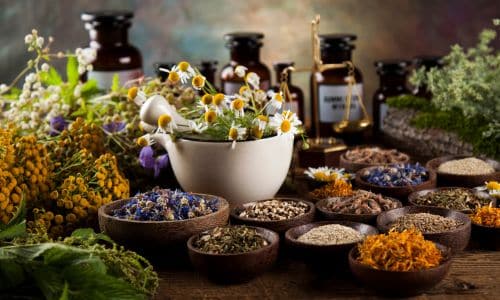
Try making a simple lavender and chamomile tea to help with sleep.
Or create an antiviral elderberry syrup.
With practice, you’ll be able to treat many common ailments using natural ingredients.
7) Navigating by the stars
Looking up at the night sky can help you find your way in a survival situation.
The stars are like a natural compass that can guide you.
The North Star, also called Polaris, is key for finding directions.
It stays in the same spot all night long.
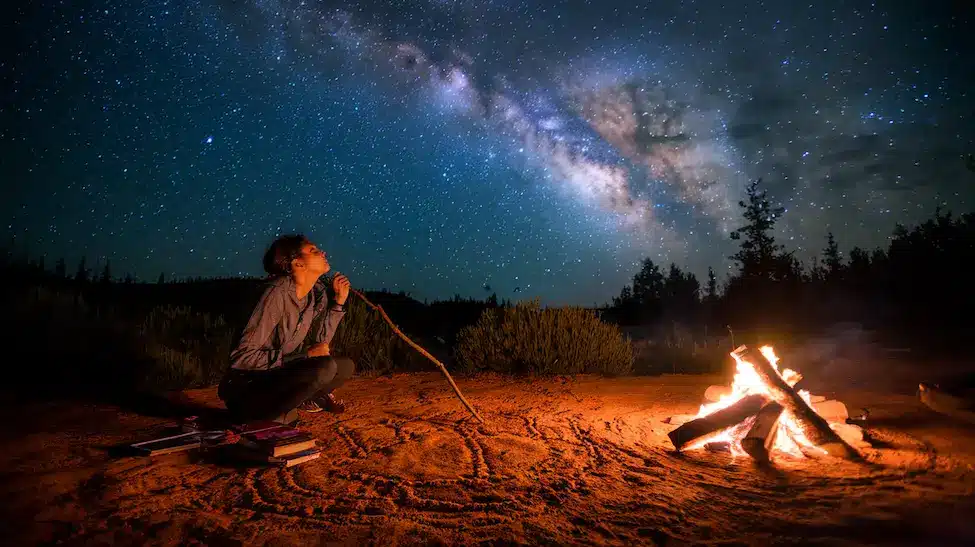
To find it, locate the Big Dipper constellation first.
The two stars at the front of the Big Dipper’s “bowl” point directly to the North Star.
Once you spot it, you’ll know which way is north.
Remember that the sun rises in the east and sets in the west.
This can help you figure out directions during the day, too.
8) First aid and wound care
Learning first aid and wound care is crucial for long-term survival.
You should know how to treat common injuries and ailments without professional help.
Start by getting a good first aid kit and learning how to use everything.
Things like cleaning and bandaging wounds, splinting broken bones, and treating burns.
Learn CPR and the Heimlich maneuver.

These techniques can save lives in emergencies.
Know how to stop severe bleeding using pressure and tourniquets.
Familiarize yourself with treating shock, hypothermia, and heatstroke.
Learn to recognize the signs of common illnesses and how to manage them with limited resources.



Originally posted 2025-01-31 00:44:40.