Off-grid survival projects are vital to both learn and implement.
This is an increasing concern for many people as they look for ways to become more self-sufficient and environmentally responsible.
One of the best ways to prepare for an off-grid lifestyle is by embarking on various DIY projects that will not only enhance your skills but provide hands-on experience for the challenges that lie ahead.
As you begin planning for an off-grid lifestyle, it’s essential to prioritize your needs and evaluate the resources available to you.
Some key aspects to consider while designing your DIY projects include energy sources, food production, water storage, and waste management.

By addressing these fundamental areas of off-grid living, you can ensure a solid foundation for a self-sustaining lifestyle.
The following DIY projects are designed to be simple and accessible, yet effective in meeting your off-grid survival needs.
They focus on renewable energy, creative food cultivation, and efficient waste disposal systems.
Whether you are a seasoned off-grid enthusiast looking for new ideas, or someone just starting out, these projects will be valuable resources to help you achieve your goal of a more sustainable and independent life.
DIY solar energy system
One of the most useful off grid survival projects is create your very own backyard power plant.
This is so you have enough electricity when the grid goes down.
Solar Panels
First, you’ll need to determine the size of the solar panels required for your off-grid setup.
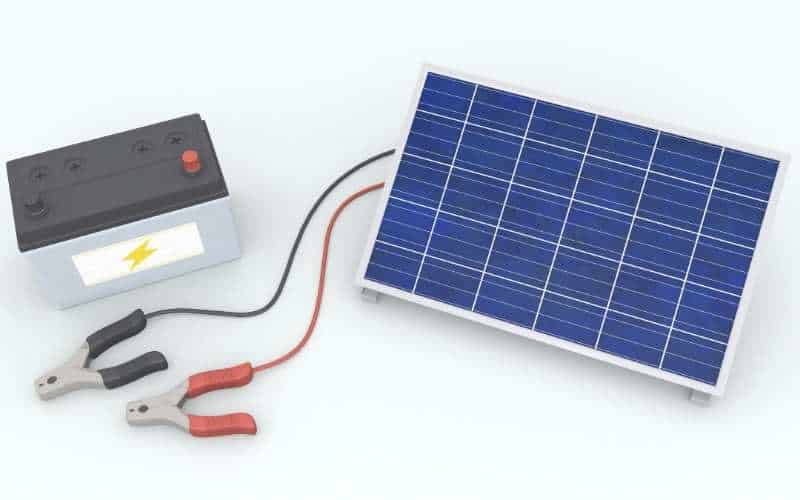
To do this, calculate your daily power consumption and choose solar panels that can produce enough energy to match that figure.
Charge Controller
Next, select a charge controller that can handle the maximum current your solar panels can generate.
This device ensures that your battery bank charges optimally and safely by preventing overcharging and regulating the flow of energy.
Battery Bank
Now, choose the size of your battery bank, which will store the energy produced by your solar panels.
This decision depends on your energy needs and desired backup period.
To calculate, multiply your daily power consumption by the number of days you want the battery bank to last without solar input.
Ensure you consider battery efficiency and depth of discharge (DoD) in your calculations.
Inverter
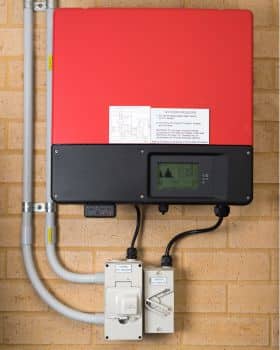
Finally, select an inverter compatible with your system that can convert the stored DC energy in your battery bank into AC power for your off-grid applications.
Key factors to consider include:
- Inverter size: Match the wattage of your inverter to the wattage of the devices you plan on powering.
- Efficiency: Choose a model with high efficiency to utilize more of the stored energy in your battery bank.
Remember to follow safety guidelines and consult an expert if needed during your DIY solar power setup journey.
DIY Water Collection and Purification
Another one of the most important off grid survival projects is to make our own rainwater harvesting system.

Rainwater Harvesting
Collecting rainwater is a simple yet effective method for off-grid water supply.
Start by choosing the right container to collect water.
Your options include:
- Buckets
- Barrels
- Water tanks
Place the container under the gutter or roof downspout, or construct a catchment system using a tarp.

Remember to:
- Clean the container regularly
- Use a fine mesh to filter debris
- Cover the container to prevent contamination
For long-term storage, treat the collected water with bleach or a water purification tablet.
Water Purification Methods
To ensure the safety and health of drinking water, you should purify it.
There are different methods you can use:
Boiling: Simply bring the water to a rolling boil for at least one minute to kill microbes and bacteria.
Solar Purification: Fill a clear plastic bottle with water, seal it, and place it in direct sunlight for six hours. UV rays from the sun will help to kill pathogens.
Chemical Treatment: Use water purification tablets or drops containing chlorine or iodine to disinfect your water. Follow the package directions for proper use.
Water Filters: Portable water filters or gravity-based systems can remove impurities, bacteria, and viruses. Choose a filter based on the water quality in your area and follow the manufacturer’s instructions.
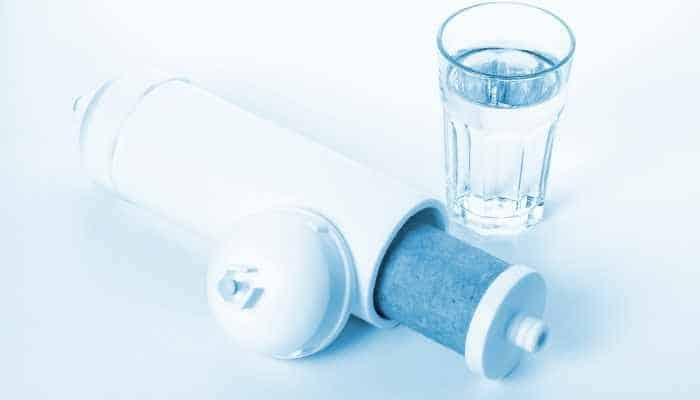
Remember, it’s essential to test and maintain your water purification systems regularly to guarantee safe and clean drinking-water.
DIY Food Production
Gardening Techniques
To start growing your own food, consider these gardening techniques:
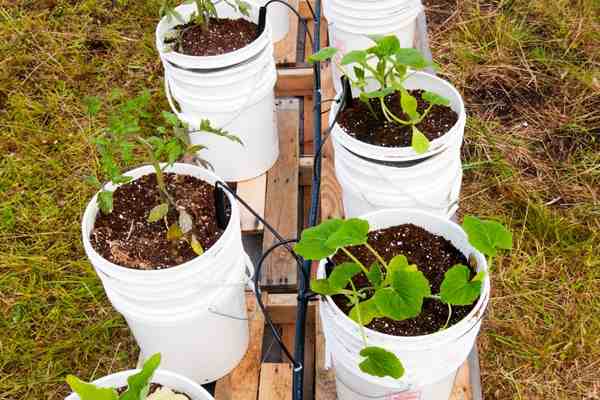
- Raised beds: Build raised beds for better drainage, soil control, and easier access.
- Square foot gardening: Maximize space by dividing garden beds into 1-foot squares, then planting a different crop in each square.
- Composting: Improve soil quality by creating your own nutrient-rich compost from kitchen scraps and yard waste.
Remember to practice proper crop rotation and companion planting for improved soil health and pest control.
Livestock Care
Raising animals can provide a valuable source of food and even income.
So this is one more of several vital off grid survival projects to consider looking into.
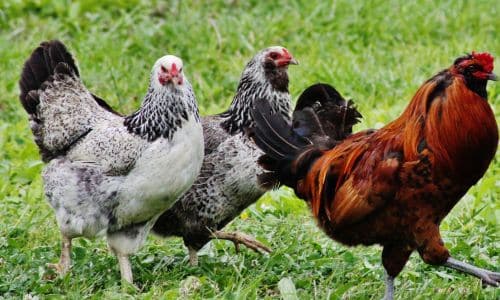
Here’s a list of the most common livestock to consider:
- Chickens: They’re easy to care for, provide eggs, and can be a source of meat.
- Rabbits: Low-maintenance and fast-breeding, they’re perfect for small-scale meat production.
- Goats: Excellent for milk production, and can also provide meat and fiber (from certain breeds).
Provide adequate shelter, food, and water to keep your animals happy and healthy.
Food Preservation
When you’re producing your own food, it’s essential to store and preserve it properly.

Here are some methods to keep in mind:
| Method | Pros | Cons |
|---|---|---|
| Canning | Long shelf life, maintain nutrients, scalable | Requires equipment, time-consuming |
| Freezing | Quick, retains nutrients | Limits storage, relies on electricity source |
| Dehydrating | Lightweight, concentrates flavors, no electricity needed | Changes texture, can take time |
| Fermenting | Enhances flavor, adds probiotics, preserves nutrients | Requires proper sanitation, can be tricky |
Choose the preservation methods that best suit your needs and available resources.
Choose the preservation methods that best suit your needs and available resources.
When it comes to difficulty level, this is the easiest to start.
DIY Shelter and Insulation
Building a shelter is one of your top priorities in off-grid survival situations.
A proper shelter will protect you from the elements and provide necessary insulation.

Let’s explore some DIY shelter materials and insulating techniques that you can use.
Shelter Materials
When constructing your shelter, choose materials that are sturdy, waterproof, and readily available.
Some options include:
- Tarps: Easy to carry and versatile, tarps can be fashioned into a simple shelter by tying them to trees or makeshift supports.
- Natural materials: Branches, leaves, and other natural materials can be used to create a debris hut or lean-to. Be creative and resourceful with what’s available in your environment.
- Salvaged materials: In urban environments, look for discarded items like plywood, pallets, or even shipping containers that can serve as durable shelter materials.
Insulating Techniques
Proper insulation ensures that your shelter retains heat and makes it comfortable for sleeping.
Consider these DIY insulating techniques:
- Layering: Use multiple layers of materials (tarps, leaves, cardboard) to create extra insulation and retain heat.
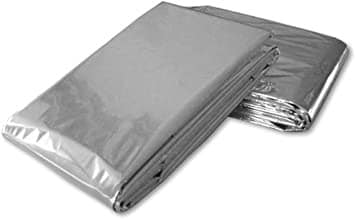
- Reflective insulation: Mylar emergency blankets can be added to your shelter’s walls to reflect body heat back towards you.
- Insulated bedding: Maximize insulation under and around you by using foam pads and sleeping bags. Dry leaves or grass can also serve as makeshift bedding.
Remember to keep it brief and prioritize practicality when choosing materials and insulation methods.
Your shelter should be able to protect you from the elements and withstand harsh conditions.
DIY Off-Grid Communication
Radios
To establish off-grid communication, you can start by investing in a reliable radio.
Handheld two-way radios, such as walkie-talkies, allow you to communicate over short distances.

Consider purchasing devices with a range of at least 3 miles.
For long-range communication, you’ll need a ham radio.
A ham radio enables you to communicate over large distances, even across continents.
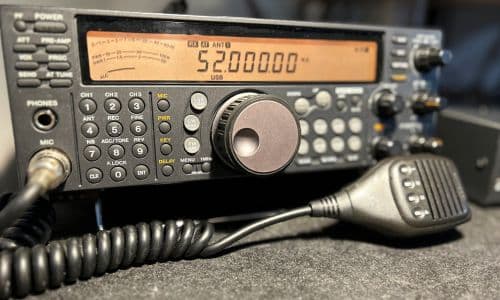
However, it requires a license to operate.
Here are the steps to follow:
- Study for the license exam
- Register for an exam session
- Pass the exam
- Obtain your license and call sign
Once you have your license, you can set up your ham radio and communicate with other users.
Signal Boosters
In remote areas, cell phone signals can be weak or nonexistent.
To improve your off-grid communication capabilities, consider using a signal booster.
These devices are designed to amplify weak signals, enabling you to send and receive calls and messages.
There are two types of signal boosters:
- Vehicle-based: These are designed to be mounted on your vehicle, making them perfect for off-grid travel. Their portability allows you to stay connected while on the move.
- Building-based: These are specifically designed for installation inside an off-grid cabin or other structures. They provide reliable communication access within the building.
Choose the right signal booster based on your needs, and make sure to follow the manufacturer’s guidelines for optimal performance.
And remember, even with a signal booster, you’re still reliant on the availability of cell networks.
DIY Safety and Security
Perimeter Defense
To secure your off-grid sanctuary, start by establishing a strong perimeter defense.

Consider these tactics:
- Install fencing or walls to deter potential intruders and wildlife.
- Conceal your property with natural camouflage or a combination of plants, shrubs, and trees.
- Create safe pathways around your land with proper lighting and visibility.
Ensure that gates and entry points are secured with reliable locks and watched with surveillance cameras or alarms, if possible.
Firearm Maintenance
Proper firearm maintenance is essential for off-grid safety.
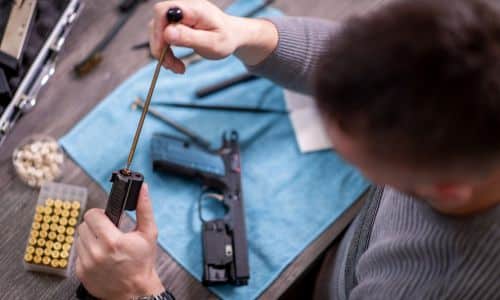
To keep your firearms in top condition, perform these tasks regularly:
- Clean your firearms: After each use, ensure that you clean your guns to remove residue and prevent corrosion. Use a suitable cleaning kit and follow the manufacturer’s guidelines.
- Lubricate moving parts: Apply firearms-specific lubricant to your guns’ moving parts for optimal performance.
- Inspect ammunition: Routinely inspect your ammunition stocks for damage or deterioration. Discard any compromised ammunition safely.
Familiarize yourself with the proper handling, storage, and safety precautions associated with your firearms.
Emergency Preparedness
Preparing for emergencies is critical in an off-grid setting.

Take these steps to increase your resilience:
- Develop a plan: Create a detailed emergency response plan, addressing potential scenarios such as intrusions, medical incidents, and natural disasters. Involve all members of your household in planning and regularly review the plan.
- Build a first aid kit: Ensure you have a well-stocked first aid kit and that everyone knows its location and how to use it.
- Create an emergency stockpile: Maintain a supply of non-perishable food, water, and essential provisions. Rotate your stock to prevent spoilage.
Before you go
In the modern world, with all the problems going on, and all the unforeseen events that might occur, it’s time to start on some off grid survival projects.
Whether it’s to preserve food, learn more about natural remedies, secure your own property or prepare for economic crisis, the time is now.
By following these guidelines, you can ensure your off-grid retreat remains safe and secure in any situation.
And you are looking after and protecting your own family.

Originally posted 2023-05-13 08:16:43.