Off Grid Survival: If you’ve been living in the city or the suburbs all your life, deciding to live off-grid is going to be MAJOR change.
- Off Grid Survival Means Getting Used to Living Without Conveniences
- Learn Important Skills
- Declutter and Live Like a Minimalist
- Off Grid Survival? Try Living Outdoors First
- Find a Good Location and House
- Start Informing your Family and Friends
- Have a Backup Plan
- Communication
- Weaning Yourself off Electronic Devices
- Living in This World But Not of it
- Finding Other Ways to Entertain Yourself
- Have a backup plan
- Self-Sufficiency
- Less Risky
- Cheaper
- Physical Activity
- More Space
- Isolation
- High Initial Costs
- Inconvenience and Hassle
- Far Away From Hospitals
- Storing Energy
- Working With Your Hands
- Gardening
- Raising Animals
- Hunting and Slaughtering
- Finding Water and Treating it
- Chopping Wood
- Cooking
Discard all romantic notions of walking by the farm or sitting by a brook and relaxing.
Nothing could be further from the truth.
If you thought life was hard in the city, it’s a lot harder out in the sticks.
The types of stresses you’ll face are different and you’ll need to overcome them.
The good news is that once you’re used to off-grid living, your stress levels will go down considerably, and you’ll be an oasis of peace in a world where everyone is running a rat race.
The secret to making the switch is to do it gradually and get used to the life before you immerse yourself in it.
This post is a type of off grid survival guide.
Let’s crack on.
-
Off Grid Survival Means Getting Used to Living Without Conveniences
You won’t have the usual electronic devices.
No internet, no TV, no mobile phones, etc.

Whether you choose to use a refrigerator is up to you.
Whatever the case may be, you’ll need to stop relying on these devices.
So many people are addicted to social media and the internet is a way to entertain themselves.
Without it, they’re lost.
If you’re one of them, you’ll need to wean yourself off these addictions.
You’ll also need to socialize less because you’ll mostly be alone or with your immediate family members when living the rural life.
If you constantly need to go out with friends and socialize, living off-grid will seem very lonely.
-
Learn Important Skills
You should learn cooking, gardening, hunting, treating water, growing vegetables, etc.
You can try indoor gardening and purchase a few water purification tablets, etc. to get a feel of things.

Learn how to fire a gun.
Practice at the range.
You may need to go hunting when you live off-grid.
-
Declutter and Live Like a Minimalist
Get rid of most of your possessions and try to live with as little as possible.
While you can have more clothes, items, etc. in your home out in the rural area, it’s good training to be a minimalist when living in an urban area.
-
Off Grid Survival? Try Living Outdoors First
Go camping often.
Try hunting for your own food.
Camping for a week or two without the usual amenities like electricity, the internet, etc. will give you an idea of what it’s like to live off-grid.
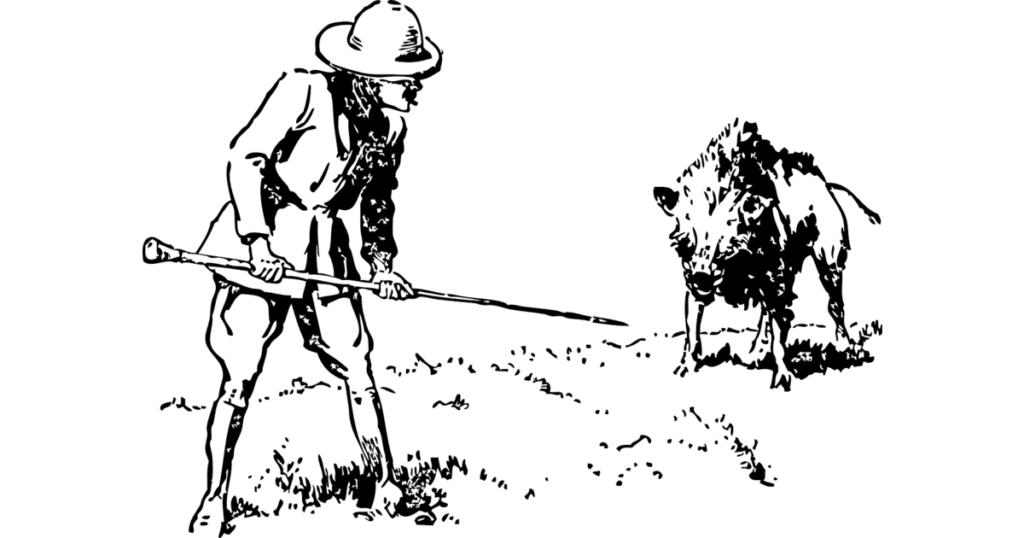
The prepper who can live outdoors for a month or two, will find that living off-grid is a cake walk.
Nothing beats surviving in the wilderness.
It’s more difficult than off-grid living because your shelter is flimsy, and you don’t even have a proper toilet.
Camping is one of the best ways to train yourself.
-
Find a Good Location and House
You’ll need to find a good location to build a house that can be powered by alternative energy.
You’ll have to fork out money upfront to get solar panels, etc. installed to power the house.

If you’re harnessing wind power or water power, turbines may have to be set up, etc.
There will be a lot of things to consider when doing this.
Speak to a qualified engineer or professional when building a house that suitable for off-grid living
Or you might try to convert an existing house into one that’s powered without electricity from the grid.
It may take a while to get it done, but once it’s done, you’ll not be subject to power failures during natural disasters, etc.
-
Start Informing your Family and Friends
Once all is done and you’re ready to go, start informing your friends and relatives about your plans so that they don’t panic if you suddenly disappear.
Let a few people know where you’re staying so that they can find you if there’s an emergency.
-
Have a Backup Plan
To conclude, even if you live off-grid, ensure that you have a backup plan should you face a crisis.
If there’s a hurricane approaching your home or if there’s a wildfire coming your way, you’ll need to evacuate and get somewhere safe.
You must have contingency plans in place so that you can take immediate action.
While off-grid living keeps you relatively safe from health disasters, terrorist attacks, etc. there are still natural disasters like tornadoes, earthquakes, blizzards and other events that can affect you.
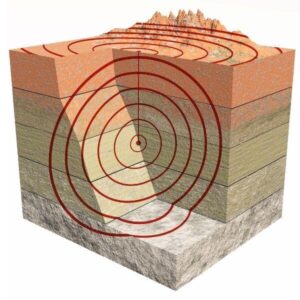
It’s always wise to plan ahead of time.
Overcoming the Biggest Obstacle When Living Off-Grid
People are creatures of habit.
Off grid survival does not come naturally to all.
For a city dweller to suddenly move to a remote farm off-grid and try living there can be such a shock that he or she may go into depression and hate every minute of it.
Even survivalists and preppers who are knowledgeable about urban survival will find that off-grid living presents its own set of challenges.
If you have made the choice, here are some things you might struggle with.

-
Communication
When you’re in a rural area, you’re either going to be living alone or with your immediate family.
You have to be comfortable being by yourself and/or comfortable communicating more with your family members.
In today’s society, everyone is so busy with their daily schedules, social media, Netflix and other distractions that we don’t talk as much anymore.
No one likes answering the phone these days.
It’s all about text messaging and emails.

Living without technology will force you to communicate with your family more often than you’re used to.
You should be prepared for this. It’s a good thing.
-
Weaning Yourself off Electronic Devices
Before even attempting to try living off-grid, try and live without your mobile phone for a few days.

Go on a social media fast.
Avoid watching TV.
Try heating your food on the stove instead of the using microwave.
Try washing your clothes without the washing machine.
All these entertainment and conveniences that come from the use of electricity and technology may not be available to you.
When living off-grid, your reliance on these devices and appliances will reduce greatly. You need to get used to that.
-
Living in This World But Not of it
Try stocking up food and water in your house and stay home for days at a time and see if you can handle the isolation.
Do not call your friends on the phone, watch TV or use the internet.
The goal is to simulate life in a house off the grid.
You’ll not have your usual network of friends, technology or these entertainment devices to occupy your time.

Being alone will be part and parcel of life.
Even if you have family with you, the times you do spend outside the house will often be alone.
You’ll also need to get comfortable being isolated from society.
-
Finding Other Ways to Entertain Yourself
Read more.
Play board games with your family.

Exercise more.
Learn yoga.
Meditate.
Learn to play an instrument such as a guitar, flute, violin, etc.
All these activities do not require the use of technology.
When you’re living off-grid, good books and the ability to entertain yourself will be crucial to maintaining your sanity.
You could have a portable radio powered by batteries.
It’s an electronic device but you can make an exception here.
As a survivalist, you need to have an idea of what’s going on in the world outside.
If there’s a hurricane approaching, the weather broadcasts will keep you informed.
The same for pandemics, terrorist attacks, etc.
You must be aware of current events to stay ready.
-
Have a backup plan
As a prepper, even when you’re living off-grid, you should know how to slip back into urban society if the need arises.
If your house is in the path of a hurricane, you’ll need to evacuate fast.
You must have an evacuation plan ready.
If someone in your household is injured, you must have a way to call for help immediately or drive them to the hospital as soon as possible.
Real survival is about being able to survive in any situation and environment.
Live off-grid if you want to, but don’t lose touch with your urban instincts.
5 Reasons Why Survivalists Should Try Living Off-Grid
Do note that this style of living is not for everyone.
You’ll need some funds to get started… and initially, there’ll be a learning curve.
Let’s look at 5 interesting points that make a strong case for off-grid living.
-
Self-Sufficiency
This goes without saying.
You’ll need to learn how to grow your own food, how to live without electricity, how to slaughter the animals you raise and much more.
The good news is that in a couple of months you’ll get the hang of it and become an expert.
While most preppers in urban areas will only have a superficial understanding of homesteading, you’ll be a pro.
Storing food and water supplies while important will not be worrisome for you since you can live off the land.
It’s a fantastic skill to have.
-
Less Risky
Most disaster events such as terrorist attacks, contagions, war, natural disasters, etc. tend to affect the urban and sub-urban areas the most.
The amount of human traffic in a city will spread pandemics much faster and create a health disaster.

Living in an isolated area will reduce your risk of getting infected.
Terrorists prefer bombing and attacking places where the number of casualties will be highest.
They’re not going to travel miles to some isolated barn and bomb it.
So, you’re much safer living away from the crowd.
-
Cheaper
Your electricity bills will be very low since you’ll barely use electricity.
Your grocery bills will be low since you’re growing your own food.
You’ll save a ton of expenses because living in the countryside is much cheaper.

If you have a source of income coming in, you’ll be able to put aside a nest egg that can be used in times of emergency.
-
Physical Activity
It goes without saying that you’ll be a lot more active when most of your chores are done manually.
Gardening, feeding the animals you’re rearing, fetching water, and a plethora of other tasks that are taken care of by technology will not be available to you.
So, you’ll expend a lot more energy and get fitter from all the manual labor.
Living off-grid will make you a much healthier person.
The fresh air and unprocessed foods will do wonders for your system.
-
More Space
Even as someone who lives off-grid, you’ll need to store supplies for emergencies.
This is especially true for drinking water.
The good news is that by living off-grid, generally, you will have more space than those living in the suburbs or the apartment dwellers.
You’ll be able to store more supplies and not have to worry about space constraints.
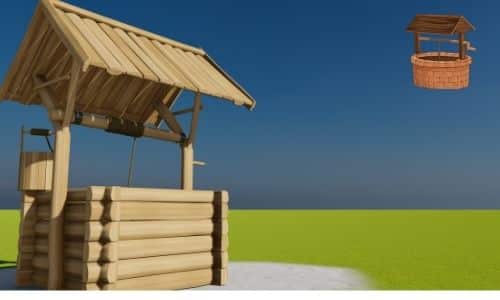
You could even build a well on your land and have access to drinking water.
You’ll have so much more freedom.
These 5 benefits make off-grid living very attractive to people who wish to have a calmer lifestyle where they can get in touch with their roots.
This is a good way to go about it and it’s great for surviving many situations.
Are There Any Disadvantages to Living Off-Grid?
Living off-grid may seem like fun in theory.
The idea of living off the land and saving the earth sounds fine and dandy until you’re living the life.
Many people who have tried off-grid living usually quit and return to the urban lifestyle because they just couldn’t get used to some of the disadvantages of living off-grid.
As a survivalist, your reasons for living off grid may be very different from someone who is doing it for ecological reasons.
While they may be trying to reduce their carbon footprint, you may be more concerned with avoiding people or minimizing your contact with them.
So, it’s two different mindsets.
The survivalists may not need to take off-grid living to extremes and they may not experience some of the disadvantages that the person trying to ‘go green’ experiences.
Let’s look at some of the common disadvantages of off-grid living.
-
Isolation
This is probably one of the biggest disadvantages most people face.
Living in a remote place far away from society can be lonely.
If there’s a town nearby, you’ll be able to socialize a little but that will be it.
There’s not going to be huge malls, amusement parks and other attractions around.
You’ll be alone in your house most times.
If you have a family, they’re the ones you’ll spend most of your time with.
I know I get bored and miss the socializing.
Preppers who want to get away from it all may enjoy the quiet and embrace the solitary lifestyle.
-
High Initial Costs
If you’re trying to live off-grid, you’ll need to set up alternative energy systems to power your house, etc.
These systems can have high upfront costs.
Over and above that, living far away from society will mean that you can’t work in urban areas.

The commute will be very long.
So, you’ll need to have other means to supplement your income.
This can be a challenge too.
Furthermore, people who live off-grid, often don’t qualify for tax cuts, etc. due to certain laws. That’s extra expenses for you.
-
Inconvenience and Hassle
There’s no denying it.
It can be inconvenient to live a lifestyle where you barely watch TV or use your mobile phone.

You’ll probably not be on the internet either.
Forget about ordering stuff from Amazon.
There’ll also be a lot more manual labor.
Since you’re growing your own food, etc. there’s going to be much more work for you to do.
You’ll be living the life of a farmer.
-
Far Away From Hospitals
Usually, if you live in a remote area, getting to a hospital or getting emergency treatment is going to take longer because of the commute.
Falling ill or getting injured can be a huge problem if you live alone and don’t have any means of contacting anyone.
-
Storing Energy
If you’re powering your house with wind or water energy, you’ll need to store the energy for times where there isn’t enough wind to get any power.
You’ll need batteries to store the energy.

With that will come extra maintenance… and that brings us back to the earlier point about the hassle.
As you can see, living off-grid while effective for survival situations also has its downsides.
It would be a good idea to try camping out for prolonged periods and see if you can develop the mindset necessary to cope with not having the conveniences that you’re accustomed to.
If you can handle it, off-grid living may be for you.
If you hate it, you’re going to hate living off-grid even more.
Make your decision wisely.
Want to Live Off-Grid? You’ll Need These Skills
There’s a huge difference between a survivalist in an urban area and one who lives off-grid.
The urban prepper can easily purchase food from the mall, has access to clean water, electricity, etc.
Any prepping they do is for a possible disaster or unforeseen event that may disrupt the amenities that they are accustomed to.
They store water because the water supply may be contaminated if there’s a hurricane.
They store food because the malls may be closed, or panic buying may have left the shelves empty.
The goal is to always be prepared to last a few days till some semblance of normalcy is restored and they go back to their old convenient lifestyle.
The survivalist who lives off-grid – his daily life is what the urban prepper expects in an emergency.
The off-grid guy needs to get his own food, water, etc.
It’s a whole different ball game.
This is next level survival and here are some crucial skills to survive if you wish to live off-grid.
-
Working With Your Hands
Carpentry skills, repair skills, etc. are a necessity.
Since most off-grid survivalists don’t rely on technology or conventional power, they need to do a lot of chores on their own.

Repairing the roof of their house, building a chicken coop for the hens, building a fence to keep out predators from getting to the hen house, etc. will require good carpentry skills.
-
Gardening
Want to eat vegetables?
You’ll need to grow them.
Gardening skills are crucial.

You must have knowledge on how to choose a plot of land to grow crops.
You’ll need to understand crop rotation.
Instead of blindly adding fertilizer to the soil, an experienced survivalist will use a soil test kit first to ascertain if the soil is already nutrient rich.
Knowledge of which vegetables grow best in your climate is important.
Some veggies grow better in containers while other grow better in soil.
You need to know the difference… and also be able to control pests that may try to ruin your crops.
All these require solid gardening skills.
-
Raising Animals
If you consume meat, you need to know how to raise chickens, goats, rabbits, cows, etc.
You must have the skills to feed them, nurse them if they’re sick, keep them safe from predators, etc.
Will you be selling the meat for money? That requires skills too.
Managing livestock is not easy.
Waking up at the crack of dawn to feed them, clean the mess they make and so on can be tiring.
-
Hunting and Slaughtering
It’s inevitable to form a bond with the animals you’re raising.
However, if you want the meat, you’ll have to slaughter them.
This is a skill… and you want to do it as humanely as possible.

Whether you’re using a captive-bolt gun or a hatchet to do the killing, it has to be done quickly and effectively so that the animal doesn’t suffer.
Just getting used to the idea and practice of slaughtering animals is enough to put most people off.
Hunting is a skill that you’ll require if you wish to have meat from an animal that you don’t raise.
If you want deer meat, you’ll have to shoot a deer.
If there’s a coyote that’s killing your chickens, you’ll have to shoot it to protect your livestock.
Guess what?
That’s a skill too.
Using a firearm is a skill.
It’ll require practice for you to get accurate at shooting.
-
Finding Water and Treating it
You’ll need to find water that’s suitable for drinking, treat it so that the water is potable, and you’ll also need to store supplies of it for days when it’s too cold to go get water… or you’re too busy.
-
Chopping Wood
You’ll not have electric heaters.
So, chopping wood is a skill that’s important during the winter months.
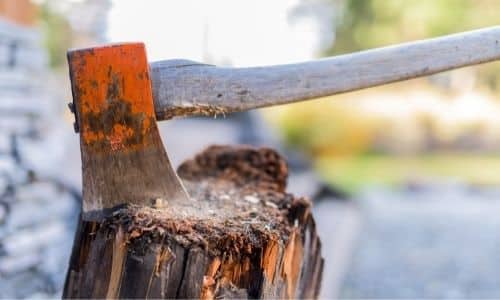
Burning wood in your fireplace will keep your house warm.
Your ability to wield an ax proficiently will make your wood chopping faster and more efficient.
-
Cooking
Finally, you won’t have pizza, pasta or any junk food available a stone’s throw away from where you live.
You can’t drop by a restaurant at a moment’s notice.
Living far away from society will mean that you often must prepare your own meals.
Good cooking skills will ensure that you have tasty meals.
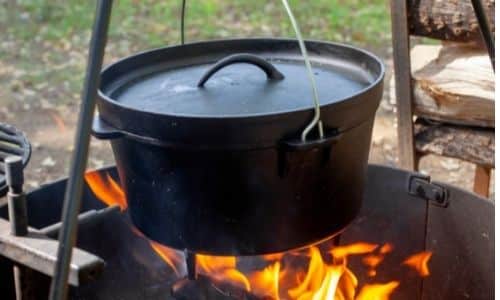
This will be one of the few pleasures you have when living off-grid.
Learn to cook well.
By now you’ll realize that it will take time to master these skills, especially if you’ve lived in the city all your life.
So, learn the skills first before you try living off-grid.
You must have both knowledge and practice.
There is no way around this.

Originally posted 2022-04-18 22:54:10.