
Urban survival skills can make a big difference if you find yourself in a tough situation in the city.
These abilities help you stay safe and adapt when normal services and systems break down.
By learning key urban survival skills, you’ll be better prepared to handle emergencies or disruptions in city life.
You can develop urban survival know-how through practice and preparation.
Skills like finding water, navigating without technology, and basic first aid are useful for city dwellers.
Even if you never face a major crisis, many urban survival skills come in handy for everyday life too.
Getting familiar with these abilities now can give you peace of mind and confidence to tackle whatever challenges come your way.
Here are 10 urban survival skills to master.

1) Fire-making with a firestarter
You can make fire without matches or lighters using a firestarter kit.
These kits often contain items like flint, steel, and tinder.
To use a firestarter, gather some dry kindling and tinder.
Strike the flint against the steel to create sparks.
Aim these sparks at your tinder.
Once the tinder catches, gently blow on it to help the flame grow.
Add small twigs and gradually larger pieces of wood.
Practice this skill before you need it.
It takes some practice to get the hang of creating sparks and nurturing a small flame into a fire.
2) Identifying edible wild plants
Knowing which plants you can eat in urban areas is a key survival skill.
Look for common edible plants like dandelions, wild onions, and wood sorrel in parks and green spaces.
Dandelions are easy to spot with their yellow flowers and jagged leaves.

You can eat the entire plant, from roots to petals.
Wild onions have a distinctive onion smell and long, thin leaves.
Wood sorrel looks like clover but has heart-shaped leaves.
It has a lemony taste.
Be careful though – some plants can be poisonous.
Always double-check with a reliable plant guide before eating anything you find.
Start by learning a few common edible plants in your area.
Practice identifying them safely before any emergency situation arises.
3) Basic first-aid skills
Learning basic first-aid skills is crucial for urban survival.
You never know when an emergency might strike, so being prepared can save lives.
Start by learning how to stop bleeding using pressure and elevation.
Practice applying bandages and making improvised tourniquets.
Know how to perform CPR and the Heimlich maneuver.
These techniques can keep someone alive until help arrives.
Learn to recognize signs of shock, heat exhaustion, and hypothermia.
Knowing how to treat these conditions can prevent them from getting worse.
Practice splinting broken bones and treating burns.
These skills can help reduce pain and prevent further injury in emergency situations.
4) Building a shelter with natural materials
Finding shelter is key to survival in urban areas.
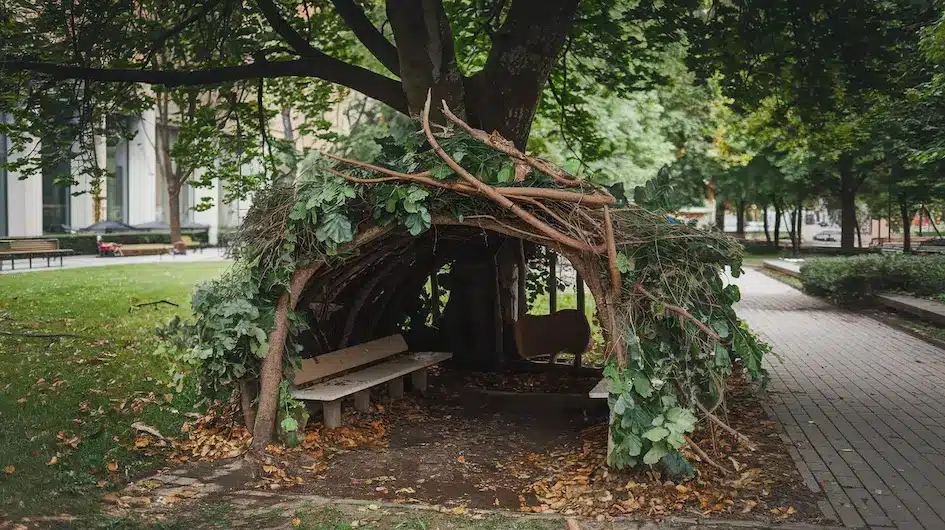
You can build a basic shelter using materials around you.
Look for spots like cliff overhangs or large fallen trees to start.
Lean branches against a tree trunk or overhang to create walls.
Use leaves, grass, or moss to fill gaps and insulate.
Stack rocks or bricks to make low walls if you’re in an area with rubble.
For roofing, try large leaves, bark, or even cardboard if available.
Layer materials to keep rain out.
Remember to leave a small opening for ventilation and as an exit.
Practice these skills before you need them.
With some creativity, you can craft a shelter to keep you safe and dry in tough situations.
5) Navigating with a compass
A compass is a key tool for urban survival.
It can help you find your way when your phone dies or GPS fails.
Learn to use one before you need it.
Practice reading a compass in your neighborhood.
Find north and use it to orient yourself.
Notice how streets and buildings line up with compass directions.
Try navigating to a new place using just a compass and map.
Start with short trips and work your way up to longer ones.
This skill takes time to master.
Remember, tall buildings can mess with compass readings.
Move away from large metal structures for more accuracy.
With practice, you’ll become a pro at urban compass navigation.
6) Purifying water using a portable filter
Portable water filters are great for urban survival.
They’re small, light, and easy to carry in a bag or pocket.
You can use them to clean water from taps, fountains, or even puddles if needed.
Most filters remove bacteria and parasites that can make you sick.
To use a filter, fill the dirty water container.
Attach the filter and squeeze or pump the water through.
Clean water comes out the other end, ready to drink.
Some filters can clean hundreds of gallons before needing replacement.
They work without electricity or chemicals.
This makes them very handy in emergencies.
Remember to follow the instructions for your specific filter.
Clean it regularly so it keeps working well when you need it most.
7) Creating an emergency go-bag
A go-bag is a must-have for urban survival.
Pack a backpack with essentials to last 72 hours.
Include water, non-perishable food, and a first aid kit.
Add a flashlight, batteries, and a portable phone charger.
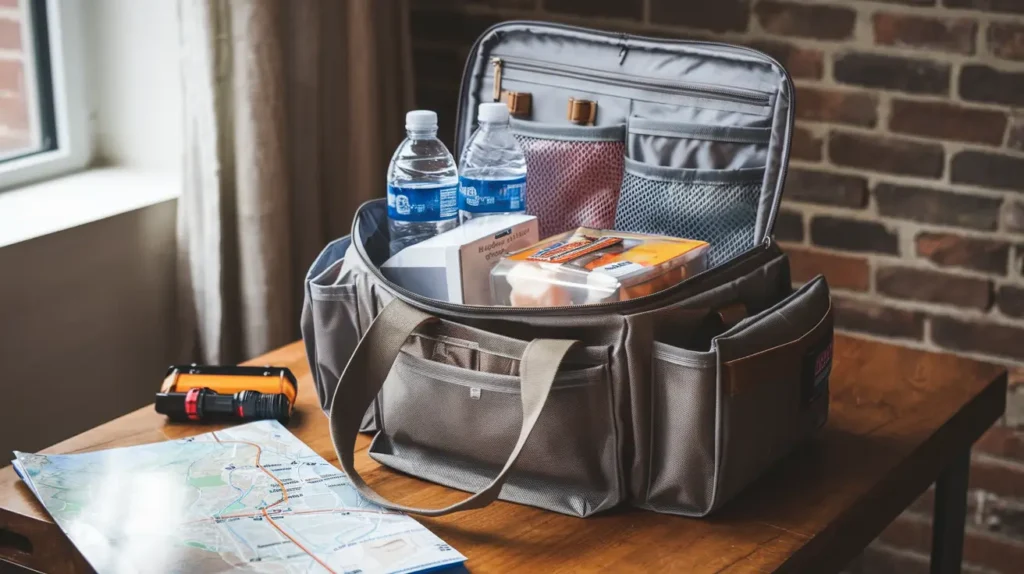
Don’t forget cash, important documents, and a change of clothes.
Throw in a multi-tool, duct tape, and a small radio.
Pack some basic hygiene items too.
Keep it light and mobile.
Store your go-bag in an easy-to-reach spot.
Check and update contents regularly.
Being prepared can make a big difference in an emergency.
8) Self-defense using common objects
In urban areas, everyday items can become tools for protection.
Your keys, for example, can be held between your fingers to add force to a strike.
A sturdy umbrella makes a great blocking tool and can deliver a strong jab.
Backpacks and bags can shield you from attacks or be swung as weapons.
Pens and pencils work as improvised stabbing tools in emergencies.
Even a rolled-up magazine can become a hard striking implement.
Remember, the goal is to create distance and escape, not to fight.
Use these objects to surprise an attacker and buy time to get away.
Practice awareness and avoid dangerous situations when possible.
9) Finding direction using the sun
You can use the sun to figure out which way is north, south, east, and west.
This skill comes in handy if you get lost in the city without a compass or phone.
Find a straight stick about 3 feet long.
Stick it upright in the ground on a sunny day.
Mark where the end of the shadow falls.
Wait 15 minutes.
The shadow will move.
Mark the new spot where it ends.
Draw a line between the two marks.
This line points east to west.
The first mark is west, and the second is east.
Stand with the west mark on your left to face north.
You can also remember that the sun rises in the east and sets in the west.
At noon, the sun is due south in the northern hemisphere.
10) Cooking on an open fire
Cooking on an open fire is a key urban survival skill.
You’ll need to split the process into a few steps.
First, find a safe spot to build your fire.
Clear the area of debris and create a fire pit using rocks or bricks.
Next, gather dry wood and kindling to fuel your fire.
Once it’s burning well, let it die down to hot coals for better cooking control.
You can use simple tools like sticks or metal grates to cook over the fire.
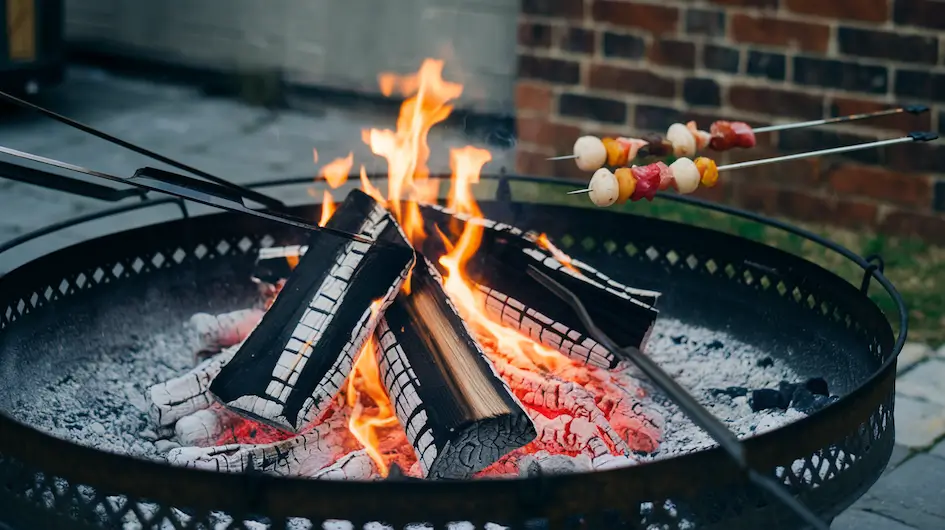
Try roasting food on skewers or wrapping it in foil packets.
Remember to keep safety in mind.
Have water nearby to put out the fire when you’re done.
With practice, you’ll become skilled at this basic cooking method.

Originally posted 2024-12-19 00:32:56.


