Have you ever wondered how people survived before modern technology?
The pioneers who settled in America had a set of skills that helped them thrive in tough conditions.
These skills were passed down for generations, but many have been lost in our fast-paced world.
Learning these forgotten pioneer skills could boost your self-reliance.
They could help you handle emergencies.
These old-fashioned skills might surprise you.
They are still useful today.
They include starting fires without matches and finding food in the wild.
Let’s explore some of these forgotten skills and see how they could make a difference in your life.
1) Starting a Fire with Flint and Steel
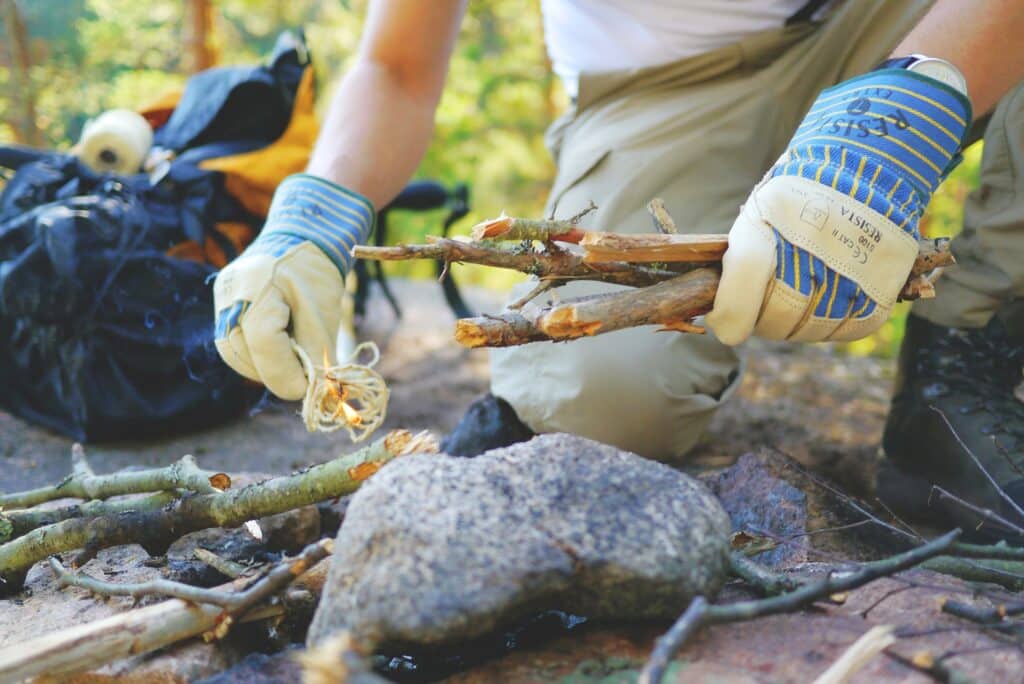
You can start a fire without matches using flint and steel.
This old-school method is simple but takes practice.
First, gather your materials: a piece of flint, a steel striker, and some tinder.
Char cloth works great as tinder.
Hold the flint close to your tinder.
Then, strike the steel against the flint to create sparks. Aim the sparks at your tinder.
When a spark catches, gently blow on it to help it grow.
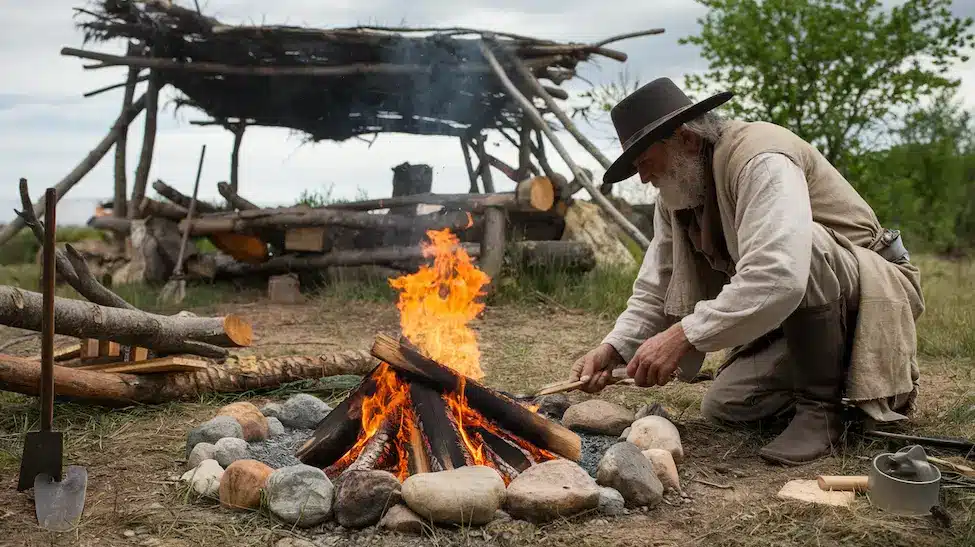
Add small twigs and gradually build up to larger sticks.
With some patience, you’ll have a roaring fire in no time.
This skill could keep you warm and cook food in tough situations.
2) Building a Makeshift Shelter
Knowing how to build a shelter can be a lifesaver.
You don’t need fancy tools or materials to create a safe space.
Look around for what nature provides.
Fallen branches, leaves, and grass can form the backbone of your shelter.
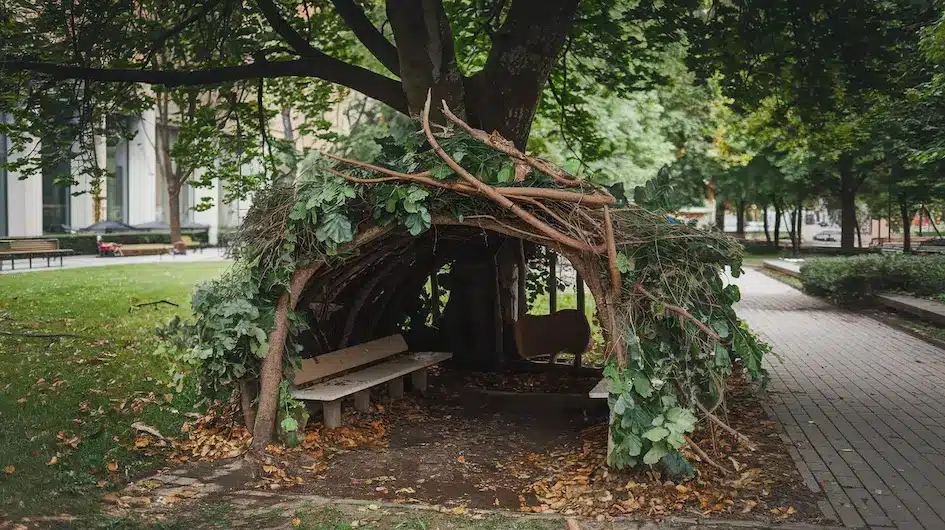
Lean long sticks against a tree or rock to create a simple lean-to.
Cover it with smaller branches and leaves for insulation.
If you’re in a snowy area, you can dig into a snowbank to make a cozy snow cave.
In desert regions, use rocks or sand to build low walls that block wind and provide shade.
Remember, your shelter should protect you from the elements and help maintain your body heat.
Even a basic structure can mean the difference between comfort and danger in a tough situation.
3) Identifying Edible Wild Plants
Knowing which wild plants are safe to eat can be a lifesaver in tough times.
Many plants growing around you are actually edible and nutritious.
Learn to spot common edible plants like dandelions, wild onions, and cattails.
These can add variety to your diet and provide essential nutrients.
Always carry a reliable plant identification guide when foraging.

It’s crucial to be 100% sure before eating any wild plant.
Some toxic plants look very similar to edible ones.
Start by learning just a few easy-to-identify plants in your area.
Then, practice spotting them on walks or hikes.
This skill takes time to develop, but it’s worth the effort.
Remember to harvest sustainably.
Only take what you need and leave plenty for the plant to regrow and for wildlife to eat too.
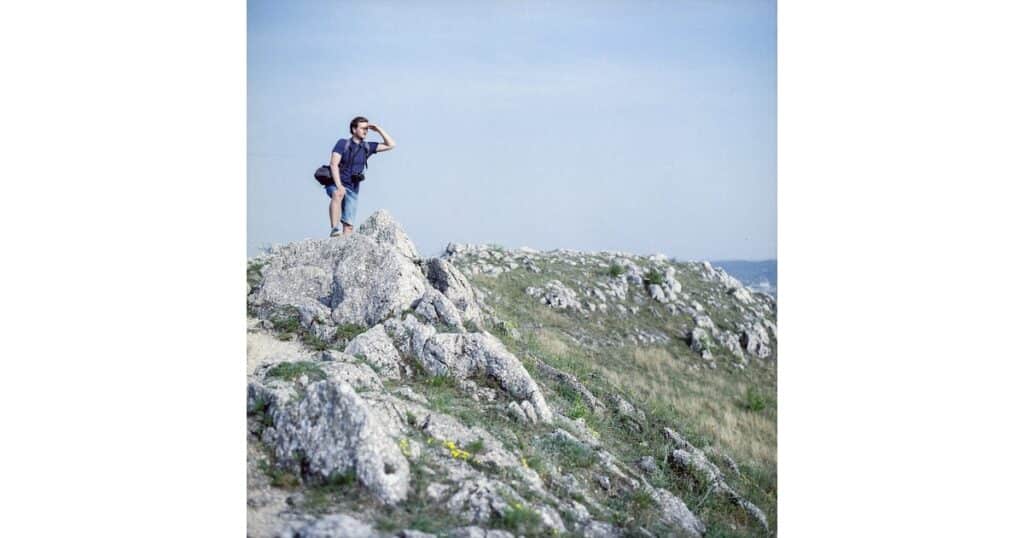
4) Navigating Using the Stars
Before GPS and smartphones, people used the night sky to find their way.
This skill can still be useful today if your devices fail.
The North Star, also called Polaris, is key for navigation in the Northern Hemisphere.
It’s part of the Little Dipper constellation and stays in the same spot all night.
To find it, look for the Big Dipper first.

The two stars at the front of its “cup” point to Polaris.
Once you spot it, you’ll always know which way is north.
In the Southern Hemisphere, the Southern Cross helps find the South.
Look for its distinctive cross shape in the sky.
Learning these basic star patterns can help you figure out directions when you’re lost or your tech isn’t working.
5) Purifying Water Naturally
You can clean water without fancy gadgets.
Boiling is a simple method that kills most germs.
Just heat water until it bubbles for a minute.
If you can’t boil, try the sun.
Fill clear bottles with water and leave them in direct sunlight for 6 hours.
UV rays will zap many harmful bugs.
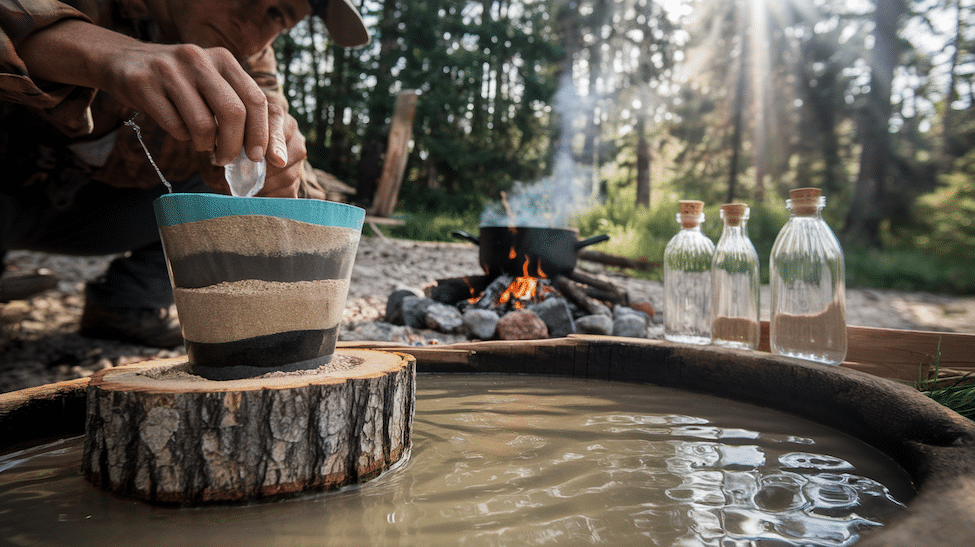
Another option is to make a DIY filter.
Layer sand, gravel, and charcoal in a container with small holes at the bottom.
Then, pour water through to remove dirt and some contaminants.
Natural materials work too.
Crush pine needles or certain plants to release compounds that fight bacteria.
Add these to your water for a wilderness cleanse.
6) Making Rope from Plant Fibers
You can make strong rope using plant fibers found in nature.
Look for plants with long, sturdy fibers like nettles or yucca.
Strip the fibers from the plants and dry them out.
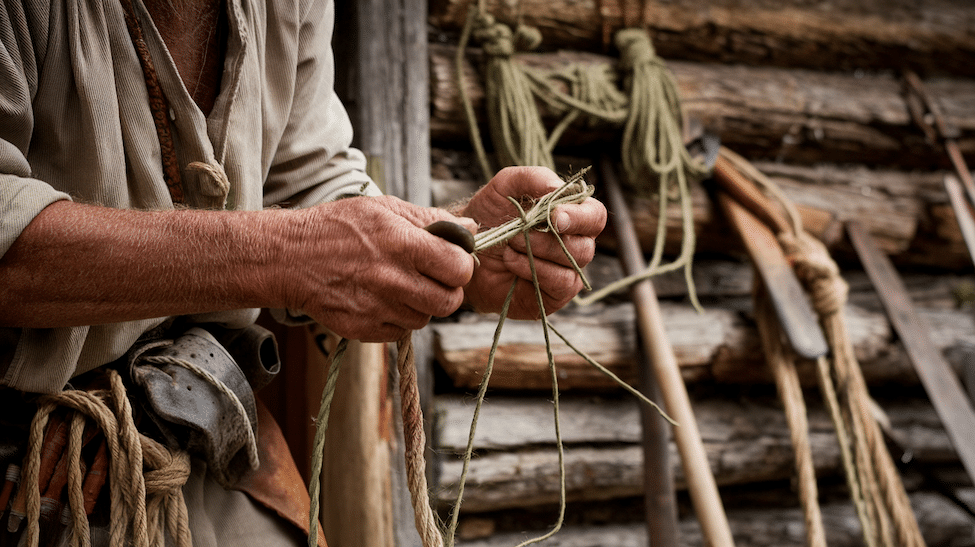
Then, rub the fibers between your hands or on your jeans to soften them up.
Twist the fibers together to form thin threads.
After that, twist multiple threads in opposite directions to create a thicker cord.
To make longer ropes, splice shorter cords together by twisting in new fibers at the ends.
With practice, you can create sturdy rope for many survival uses.
7) Hunting with Primitive Traps
Primitive traps can be a lifesaver when you need food in the wild.
Learning to make simple snares and traps from natural materials is a valuable skill.
You can craft effective traps using branches, vines, and rocks found in nature.
Knowing where to set traps based on animal habits is key.
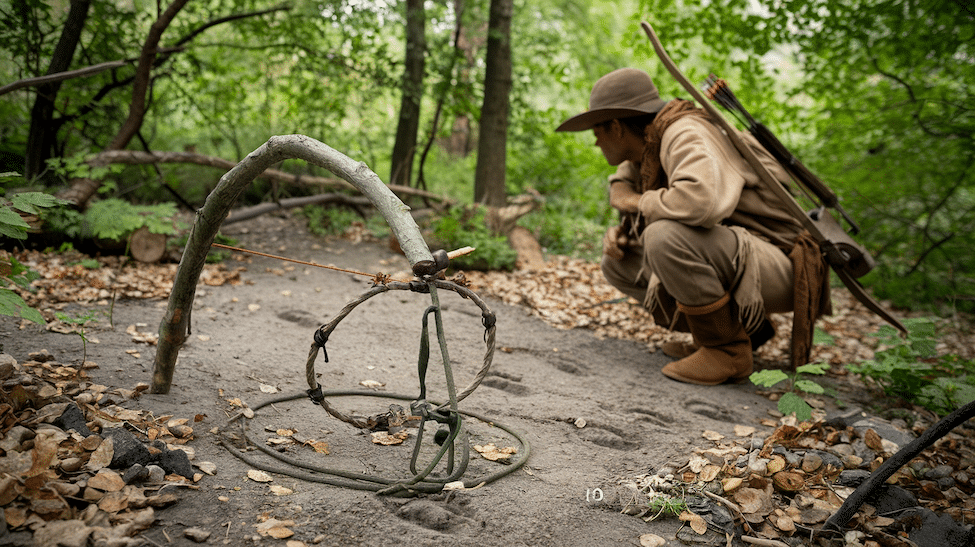
Practice making basic snares and pit traps before you need them.
Set them near animal trails or water sources for best results.
Check traps often and handle any caught animals safely.
Use all parts of what you catch to avoid waste.
With some practice, you can provide food for yourself using these old-school hunting methods.
8) Tracking Animals by Footprints
Tracking animals by their footprints was a vital skill for pioneers.
You can still use this technique today to find food or avoid dangerous wildlife.
Look for clear prints in soft soil or snow.
Notice the shape, size, and depth of the tracks.
This can tell you what kind of animal made them and how recently it passed by.
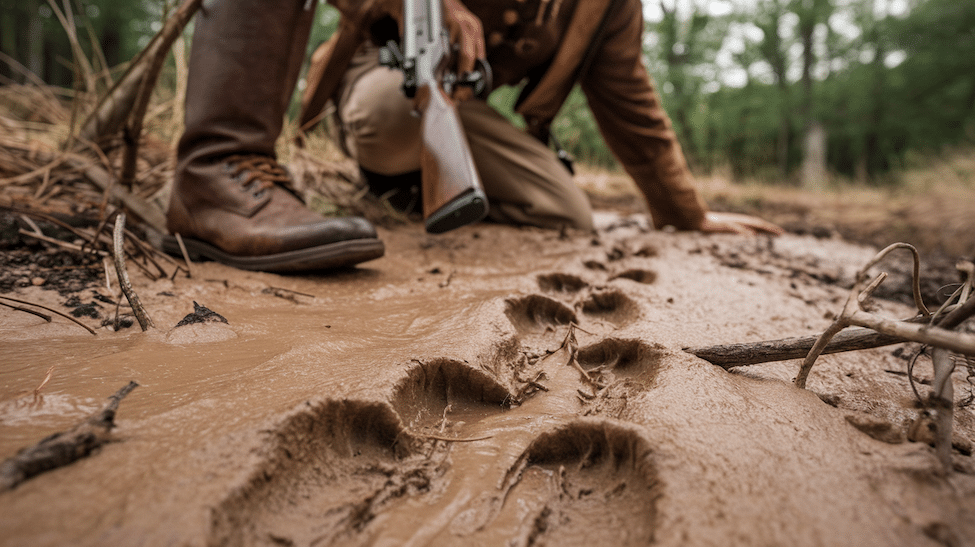
Pay attention to the distance between prints.
It shows if the animal was walking, running, or jumping.
Fresh tracks might have sharp edges, while older ones look more worn.
Don’t just focus on footprints.
Look for other signs like broken twigs, disturbed vegetation, or animal droppings.
These clues can help you follow the trail more easily.
With practice, you’ll get better at reading these signs.
It’s a useful skill that could come in handy during outdoor adventures or survival situations.
9) Foraging for Medicinal Herbs
Knowing how to find and use healing plants in nature can be a huge help if you’re ever in a tough spot.
Many common plants have medicinal properties that can treat minor health issues.
Chamomile calms.
Echinacea boosts immunity.
Peppermint soothes upset stomachs.
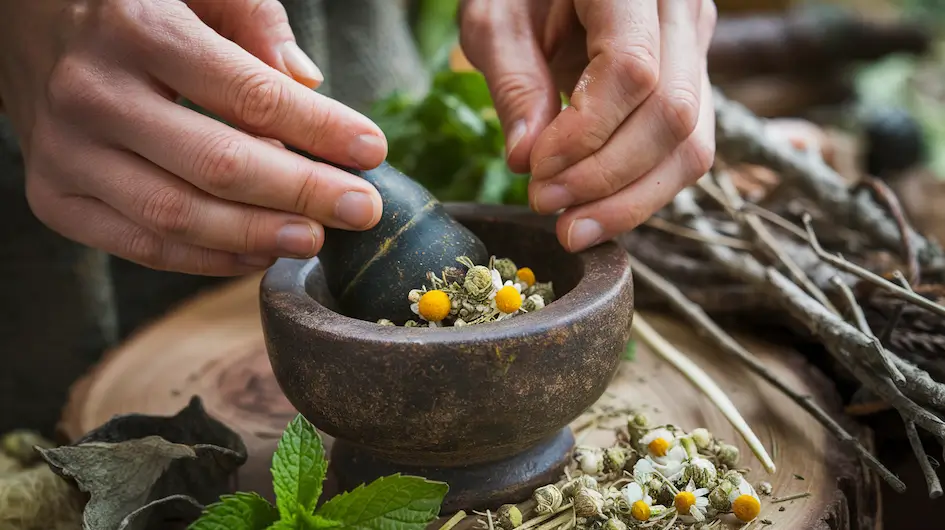
Always be 100% sure before using any wild plant.
Start by learning a few easy-to-spot herbs in your area.
Then, practice finding and using them safely.
This skill could come in handy if you can’t get to a doctor or pharmacy.
Remember to respect nature and only take what you need.
With some practice, you’ll build up your plant knowledge and foraging skills.
10) Crafting Bow and Arrow
Making a bow and arrow might seem like an outdated skill, but it can be a lifesaver in tough times.
You can use these tools for hunting or self-defense if needed.
To craft a basic bow, find a flexible piece of wood about your height.
Shape it carefully, leaving the middle thicker than the ends.
For the string, use strong plant fibers or animal sinew.
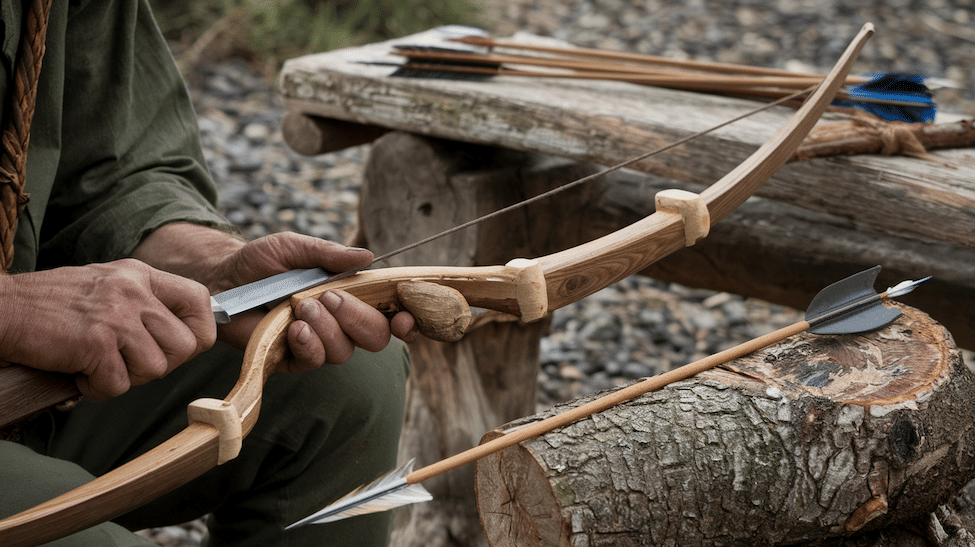
For arrows, look for straight sticks.
Sharpen one end and add feathers to the other for stability.
With practice, you’ll improve your accuracy and power.
Learning this skill can give you a reliable way to get food and protect yourself in emergency situations.

Originally posted 2025-02-02 05:39:21.